The Puzzle of the Bovine Belly: How Many Stomachs Does a Cow Really Have?
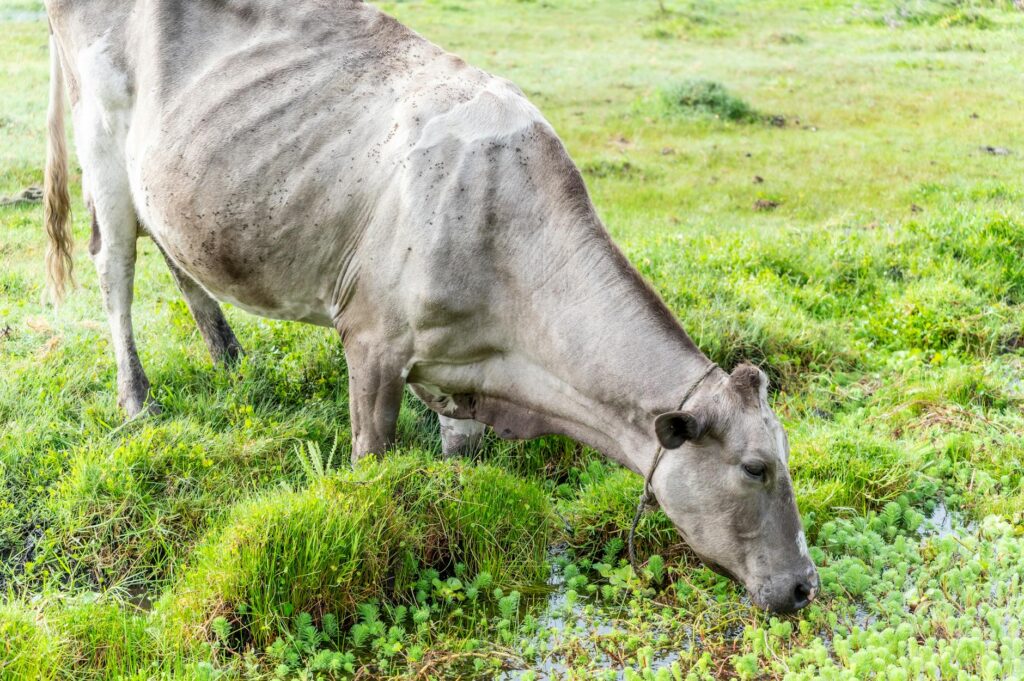
You’ve probably seen them grazing peacefully in fields, their jaws moving rhythmically. But beneath that placid exterior lies a digestive marvel. The question, “how many stomach does cow has,” often leads to confusion. Many people assume they have multiple stomachs, but the reality is a bit more nuanced and incredibly fascinating. Instead of one large stomach, a cow possesses a sophisticated system with four distinct compartments, each playing a Key role in breaking down the fibrous plants they eat.
Last updated: April 22, 2026
This intricate setup isn’t just about having more space. it’s a biological adaptation that allows cows and other ruminants to thrive on diets that would be indigestible for many other animals. Understanding this system offers a glimpse into the amazing diversity of life and the ingenious ways organisms have evolved to survive and flourish.
A Direct Answer: The Four Compartments
So, to be clear: a cow has one stomach, but it’s divided into four separate compartments. Here are the reticulum, the rumen, the omasum, and the abomasum. The rumen is the largest compartment, acting as a large fermentation vat. The reticulum, often called the “honeycomb” due to its lining, works closely with the rumen. The omasum, with its many folds like pages in a book, absorbs water. Finally, the abomasum is the “true stomach,” similar to a human’s stomach — where digestive enzymes are secreted.
Why Four Compartments? The Power of Ruminant Digestion
Cows are ruminants, a group of mammals characterized by their specialized digestive process. This process is essential because their primary food source—grass and other fibrous plants—is rich in cellulose. Cellulose is a complex carbohydrate that’s very difficult for most animals to break down. According to Cornell University College of Veterinary Medicine (2023), the unique four-compartment stomach allows for microbial fermentation, a process where bacteria, protozoa, and fungi in the rumen break down cellulose into volatile fatty acids (VFAs) — which the cow can then absorb for energy.
This isn’t a quick meal. it’s a multi-step operation. The cow eats rapidly, swallowing partially chewed food that goes into the rumen and reticulum. Later, in a state of rest, the cow regurgitates this food as a “cud.” The cow then re-chews the cud, mixing it thoroughly with saliva and further breaking it down mechanically and enzymatically before swallowing it again for further digestion. This process, known as rumination or “cud chewing,” is a hallmark of ruminants and is vital for extracting maximum nutrients from their forage.
The Roles of Each Compartment
Let’s break down what happens in each of the four stomach compartments:
- Rumen: This is the largest compartment, capable of holding up to 50 gallons of material in a mature cow. It functions as a large fermentation vat, housing trillions of microbes. These microbes are the real heroes, breaking down tough plant fibers like cellulose and producing VFAs. According to Penn State Extension (2021), the rumen’s pH is carefully maintained between 5.5 and 7.0 to keep these microbes happy and active.
- Reticulum: Often described as having a honeycomb-like lining, the reticulum works in tandem with the rumen. Its primary role is to catch smaller particles and move them into the omasum, while larger, less digestible particles are sent back to the rumen for further fermentation or regurgitated as cud. It also traps foreign objects, like nails or bits of wire, preventing them from moving further into the digestive tract—a condition known as hardware disease — which veterinarians at places like the American Veterinary Medical Association (AVMA) (Year of Publication Unknown) warn about.
- Omasum: This compartment resembles a sphere made up of numerous leaf-like folds, hence its nickname, “the book.” Its main job is to absorb water and other small molecules from the digested food. Think of it as a filter and dehydrator, squeezing out as much liquid as possible before the food moves on.
- Abomasum: This is the “true stomach” of the cow, most analogous to a human stomach. It secretes digestive enzymes, such as pepsin, and hydrochloric acid — which further break down the food particles that have passed through the other compartments. Here’s where the final stages of enzymatic digestion occur before the material enters the small intestine.
The Process of Rumination: More Than Just Chewing
Rumination, or cud chewing, is a vital behavior for cows. It’s not just passive chewing. it’s an active process that can take up to 8 hours a day. When a cow stops grazing, it regurgitates partially digested food (cud) from its rumen and reticulum. It then re-chews this cud for about a minute, breaking it down into smaller particles and mixing it with more saliva. This re-chewing is critical for increasing the surface area of the plant material, making it easier for the microbes in the rumen to ferment it effectively.
This back-and-forth process helps ensure that the cow extracts as many nutrients as possible from its fibrous diet. It’s a testament to the evolutionary advantage of this digestive strategy, allowing cows to thrive on pastures where other animals might struggle to gain sustenance. The efficiency of this system is why cows are such important livestock animals worldwide.
Common Misconceptions and What They Mean
The idea that cows have four stomachs is a simplification. While they do have four compartments that function similarly to stomachs in breaking down food, it’s more accurate to say they have one stomach with four compartments. This distinction is important for understanding bovine anatomy and physiology. Imagine a single oven with four different baking chambers, each designed for a specific cooking task – that’s a bit like the cow’s stomach.
Another common question relates to how this impacts their diet. Because of this specialized digestive system, cows can consume large amounts of roughage—grass, hay, and silage. However, they’re also susceptible to dietary imbalances. For instance, feeding them too much grain too quickly can disrupt the delicate microbial balance in the rumen, leading to conditions like acidosis. Here’s why farmers carefully manage their feeding strategies, often relying on feed formulations developed with the help of animal nutritionists and products from companies like Purina Mills.
Practical Tips for Understanding Cow Digestion
For farmers, ranchers, or even curious onlookers, cow’s digestive system has practical implications:
- Observe Feeding Behavior: A cow that’s ruminating actively (chewing cud) is generally a healthy cow. Lack of rumination can be an early sign of illness or digestive upset.
- Monitor Fecal Matter: The consistency and appearance of a cow’s manure can provide clues about its digestive health.
- Manage Diet Carefully: Gradual changes in diet are Key. Abrupt shifts can overwhelm the rumen microbes. Ensure access to clean, fresh water at all times, as water is vital for rumen function and absorption in the omasum.
- Recognize Signs of Discomfort: Bloating, excessive salivation, or signs of pain can indicate digestive problems. If you notice these, consult a veterinarian immediately.
Frequently Asked Questions
Do all grazing animals have four stomachs?
No, not all grazing animals have four stomachs. Only ruminants — which include cattle, sheep, goats, deer, and giraffes, possess this complex digestive system with four compartments. Other herbivores, like horses, have a single stomach and a very large cecum where microbial fermentation occurs, but the process and anatomy are different.
What happens if a cow can’t chew its cud?
If a cow stops chewing its cud, it often indicates a problem with its digestive system. This could range from minor indigestion to more serious conditions like bloat, acidosis, or hardware disease. It’s a key indicator that the cow isn’t feeling well and needs attention.
Can cows digest grass as efficiently as humans digest bread?
Cows are far more efficient at digesting grass and fibrous plants than humans are. Their specialized four-compartment stomach, filled with symbiotic microbes, is In particular adapted to break down cellulose, a component of plant cell walls that humans can’t digest at all. Humans lack the necessary enzymes and microbial populations for this process.
what’s the main difference between the abomasum and the other compartments?
The main difference is that the abomasum is the “true stomach” which uses acids and enzymes for digestion, similar to the human stomach. The other three compartments—rumen, reticulum, and omasum—are primarily involved in fermentation, absorption of VFAs and water, and mechanical processing of food before it reaches the abomasum.
How does a cow’s diet affect its stomach health?
A cow’s diet has a profound impact on its stomach health. A diet high in roughage promotes a healthy rumen environment. However, diets with too much readily fermentable carbohydrate (like grains) can rapidly lower the rumen pH, leading to acidosis and disrupting the beneficial microbial population. Maintaining a balanced diet is Key for preventing digestive disorders and ensuring optimal health and productivity.
The Remarkable Digestive Journey
So, the next time you see a cow, you’ll know that “how many stomach does cow has” leads to a fascinating answer: one stomach, four compartments, and a remarkable digestive journey. This complex system is a marvel of natural engineering, allowing these gentle giants to thrive on a diet that would be inaccessible to many other species. Understanding this process not only satisfies curiosity but also highlights the intricate relationships between diet, digestion, and animal health—a critical aspect for anyone involved in agriculture or simply appreciating the natural world.
Editorial Note: This article was researched and written by the AZ Hooks editorial team. We fact-check our content and update it regularly. For questions or corrections, contact us.