Fashion Trends 2026: What Smart Dressers Know Now
Okay, let’s cut the fluff. The internet’s awash with predictable lists of “what’s hot” for 2026, most of it recycled from last season or straight off a mood board that’s already stale. If you’re tired of chasing trends only to find them over by the time you’ve bought the pieces, you’re in the right place. We’re diving deep into the real fashion trends 2026, the ones that are shaping up beyond the obvious, and how seasoned dressers are already incorporating them.
Last updated: April 18, 2026
This isn’t about predicting every fleeting micro-trend. It’s about seismic shifts in aesthetics, materials, and even our relationship with clothing that will define 2026. Think of it as looking at the currents, not just the waves.
What the Fashion Trends 2026 Forecasts Actually Mean
Most trend reports feel like they’re speaking in code, right? For 2026, the code is about a few core shifts: a move towards hyper-personalization, a deeper engagement with sustainability that goes beyond buzzwords, and silhouettes that embrace both comfort and unapologetic structure. It’s less about “this season’s must-have” and more about a wardrobe philosophy.
We’re seeing a definite pull away from overt branding and towards artisanal craftsmanship and unique detailing. Brands like Loewe, under Jonathan Anderson’s direction, are mastering this by blending surrealism with wearable art, creating pieces that feel both contemporary and timeless. This signals a broader trend: clothing as a statement of individuality, not just affiliation.
[IMAGE alt=”Model wearing a Loewe garment with unique detailing” caption=”Loewe exemplifies the blend of artistry and wearability in future fashion.”]
The emphasis on longevity and repairability is also gaining serious traction. It’s not just about recycled materials anymore. it’s about designs that are made to last, can be easily mended, and even adapted over time. Here’s where innovation in fabric technology, like advanced bio-synthetics or regenerative fibers, will truly shine in 2026.
The Return of the Silhouette: Beyond Skinny Jeans
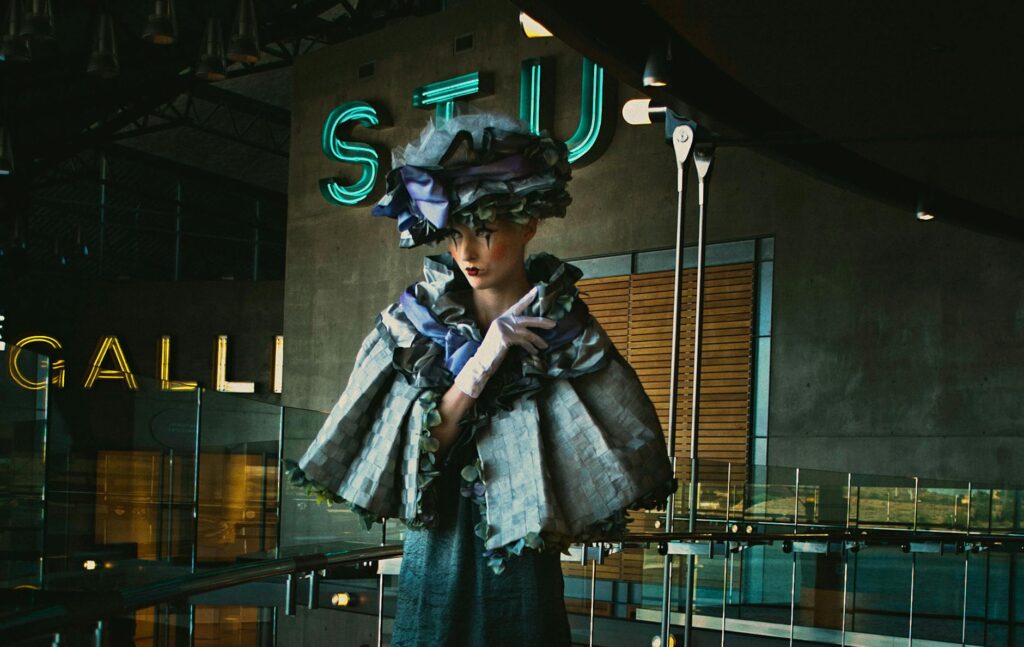
If there’s one thing we’re seeing solidify for fashion trends 2026, it’s the reinvention of classic silhouettes. The ultra-tight, ultra-low-rise era is fading, making way for something far more interesting. We’re talking about volume, but with intention. Think exaggerated shoulders on blazers, wide-leg trousers that have a sharp, architectural drape, and midi skirts that command attention.
This isn’t just about ‘baggy clothes.’ It’s about an intentional play on proportions. Designers are tension between fluidity and structure. We saw this hinted at in collections from designers like Prada — where sharp tailoring met softer, more organic lines. The key for 2026 will be mastering this balance in your own wardrobe.
For instance, a dramatically wide-leg pant can be grounded with a more fitted, perhaps even cropped, top. Or, a voluminous, almost sculptural dress can be softened with delicate accessories and a relaxed posture. It’s about creating a visual narrative with your clothing.
How to Approach Voluminous Silhouettes
Don’t be intimidated by the drama. The trick is to anchor these shapes. If you’re trying a wide-leg trouser, ensure the fabric has good weight and fall. Avoid anything too stiff or clingy. Pair them with a simple, well-fitting knit or a crisp button-down. And for shoes? A chunky loafer or a pointed-toe boot works wonders to ground the look.
It’s a conversation between the garment and your body. Are you trying to create a powerful, architectural statement? Or a softer, more flowing aesthetic? The silhouette is your primary tool.
- Comfort and ease of movement.
- Can create a dramatic, high-fashion statement.
- Offers versatility in styling – can be dressed up or down.
- Emphasizes intentional design and craftsmanship.
- Can be overwhelming if proportions aren’t managed.
- May require specific footwear to balance the look.
- Less forgiving for those who prefer a very simplifyd aesthetic.
Color Palettes for 2026: Beyond the Expected
Forget the Pantone Color of the Year hype. While influential, the real story in 2026’s color trends lies in the application and the combination. We’re seeing a sophisticated palette emerge, leaning towards earth tones, muted jewel tones, and surprising pops of unexpected hues.
Think rich, deep olives, sophisticated ochres, and dusty rose hues. These grounded colors provide a versatile base. But here’s the twist: they’re being paired with vibrant, almost electric, accent colors. Imagine a camel coat unexpectedly lined with neon green, or a deep burgundy suit with a shocking pink tie.
This juxtaposition is key. It reflects a desire for both stability and excitement in our lives, translated directly into our wardrobes. It’s about creating visual interest without being jarring. For instance, a tailored pair of trousers in a deep teal could be perfectly complemented by a soft, buttery yellow blouse.
[IMAGE alt=”Color palette swatch showing muted earth tones mixed with bright accents” caption=”Muted base colors with vibrant accents define the 2026 color story.”]
The rise of digital dyeing techniques and on-demand printing also means we’ll see more unique, custom colorways. This ties back into the personalization trend – your favorite color combinations might become entirely your own.
The Material Evolution: What Are We Wearing Actually Made Of?
Here’s where things get genuinely exciting for fashion trends 2026. The conversation around fabrics is shifting from simply “sustainable” to “smart” and “regenerative.” We’re moving past basic organic cotton and recycled polyester into materials that actively benefit the environment or offer incredible performance.
Keep an eye on innovations like mushroom leather (Mylo™) — which offers a viable, high-quality alternative to animal leather. Then there are advancements in bio-based synthetics derived from algae or corn, and materials engineered for enhanced breathability or temperature regulation. Brands are starting to invest heavily here.
For example, Patagonia has long been a leader in durable, eco-conscious materials, and their continued commitment to recycled nylons and organic cottons sets a benchmark. In 2026, expect more mainstream brands to adopt similar, if not more advanced, material strategies.
“The future isn’t about throwing things away. it’s about making things that last — that can be remade, and that don’t harm the planet. We’re looking for textiles that are part of a circular economy.”
This material evolution means clothing might feel different, perform better, and tell a more compelling story. It’s a fantastic opportunity to invest in pieces that align with your values and offer superior quality.
Expert Tip: The Art of the ‘Pre-Trend’ Purchase
Don’t wait for a trend to hit mainstream publications to buy into it. If you’re seeing a particular silhouette, color, or fabric popping up from independent designers or in niche fashion communities now, that’s your signal. These early adopters are the ones who genuinely influence the larger trends. Look for brands that are experimenting. My own wardrobe has benefited immensely from picking up avant-garde knitwear pieces from small European labels two seasons before they hit the bigger runways.
Bridging the Gap: Vintage Meets Futurism
Here’s a subtle but powerful undercurrent for fashion trends 2026. We’re not just talking about a vintage revival. it’s a curated vintage revival, blended with futuristic elements. Think of it as taking iconic pieces from the past – say, a perfectly tailored 1940s-style jacket or a flowing 1970s maxi dress – and updating them with modern fabrics, unexpected color pairings, or even subtle tech integrations.
This approach offers the best of both worlds: the timeless quality and unique character of vintage, combined with the innovation and relevance of contemporary design. It’s a more conscious way to engage with fashion, moving away from disposable fast fashion towards pieces with a story and lasting appeal.
Brands that excel at this often have a strong understanding of fashion history. They might reference a specific era but reimagine it for today. For example, a modern take on the structured shoulders of the 1980s, but executed in a lightweight, sustainable Tencel fabric, with a clean, minimalist finish.
My take? This trend is fantastic for building a unique and sustainable wardrobe. It encourages creativity and a deeper appreciation for design across different eras. It’s about building a personal archive, not just a closet.
How to Spot Genuine Fashion Trends 2026 from Fleeting Fads
The biggest mistake people make is confusing a fleeting fad with a genuine trend. Fads are often driven by social media virality – think a specific, quirky accessory that blows up overnight and disappears a month later. Trends, But — have staying power. They reflect broader cultural shifts, economic factors, or technological advancements.
So, how do you tell the difference? Ask yourself:
- Is it adaptable? Can this style be incorporated into different outfits and contexts, or does it demand a complete wardrobe overhaul?
- Does it have historical resonance? Does it echo past styles in a new way, or does it feel completely disconnected?
- Is it built to last? Does the fabric and construction suggest durability, or does it look like it’s designed to fall apart after a few washes?
- Is it supported by innovation? Is the trend linked to new materials, production methods, or cultural movements?
If the answer leans towards adaptability, historical context, durability, and innovation, you’re likely looking at a genuine trend that will inform fashion trends 2026 and beyond. If it’s all about instant social media gratification and a specific, narrow aesthetic, it’s probably a fad.
[IMAGE alt=”Collage showing vintage-inspired fashion mixed with modern elements” caption=”The blend of vintage and futurism offers enduring style.”]
Frequently Asked Questions
What are the main color trends for 2026?
Fashion trends 2026 will see a sophisticated palette featuring rich earth tones like olive and ochre, alongside muted jewel tones. These will be strategically paired with unexpected, vibrant accent colors for a striking contrast, reflecting a balance of stability and excitement.
Will oversized silhouettes continue in 2026?
Yes, but with an emphasis on intentional structure and drape. Fashion trends 2026 will feature exaggerated shoulders, wide-leg trousers with architectural fall, and voluminous skirts. The focus is on mastering proportions and creating a visual narrative, rather than just loose fits.
What new fabrics should we expect in 2026?
Look for advanced material innovations beyond basic sustainability. Fashion trends 2026 will highlight smart textiles like mushroom leather (Mylo™), bio-synthetics from algae, and regenerative fibers. These materials offer enhanced performance and actively contribute to a circular economy.
How is sustainability evolving in fashion trends 2026?
Sustainability in 2026 moves beyond recycled materials to focus on longevity, repairability, and circularity. Fashion trends 2026 will emphasize clothing designed to last, easy mending, and textiles that can be remade or repurposed, reflecting a deeper commitment to environmental impact.
What’s the difference between a trend and a fad in 2026?
Genuine fashion trends 2026 are adaptable, have historical resonance, are built for durability, and are often supported by material or cultural innovation. Fads, conversely, are typically short-lived, driven by social media virality, and lack lasting substance or versatility.
My Take: Dress for the Future You Want
The fashion trends 2026 landscape is shaping up to be one of thoughtful evolution rather than revolution. It’s about discerning what truly resonates with your personal style and values, rather than blindly following the loudest pronouncements. Invest in pieces that tell a story — that are made with intention, and that make you feel genuinely good – not just because they’re “in,” but because they’re an authentic expression of you.
So, as you plan your wardrobe for the coming year, look beyond the obvious. Consider the materials, the silhouettes, the colors, and the underlying philosophy. Dress for the future you want to see, and you’ll always be ahead of the curve.
Source: Vogue
Editorial Note: This article was researched and written by the AZ Hooks editorial team. We fact-check our content and update it regularly. For questions or corrections, contact us.