
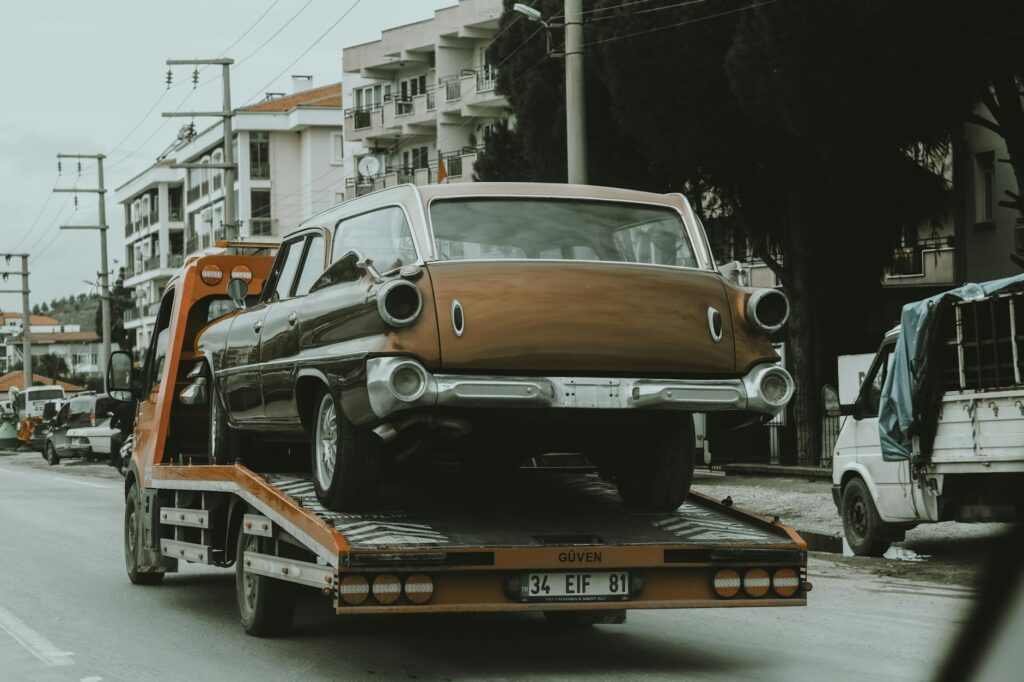
When Your Vehicle Needs a Lift: Understanding Towing Service Options
A car breakdown can happen at any moment, turning a routine drive into a stressful situation. When your vehicle is immobilized, the immediate need is for a reliable towing service. But not all towing is created equal. different types of towing services available, their pros and cons, and when to use them can save you time, money, and further damage to your car. AZ Hooks is here to guide you through the world of vehicle recovery and transport.
Last updated: April 23, 2026
Choosing the correct towing service is vital to prevent additional damage to your vehicle and ensure it reaches its destination safely. Factors like vehicle type, distance, and the nature of the breakdown dictate the best approach. Options range from quick local tows to specialized long-distance transport, each with its own equipment and expertise.
what’s a Service Towing Service?
A Service Towing Service encompasses any professional company that uses specialized vehicles (tow trucks) to move disabled, improperly parked, accident-involved, or otherwise indisposed motor vehicles. This broad category includes emergency roadside assistance, local recovery, long-distance transport, and specialized hauling for everything from classic cars to heavy machinery. The primary goal is always the safe and efficient relocation of a vehicle from one point to another.
Types of Tow Trucks and Their Uses
The type of tow truck deployed directly impacts how your vehicle is handled. Knowing these distinctions helps you communicate your needs effectively to the towing company and understand why they might recommend a particular method.
Flatbed Tow Trucks
Flatbed tow trucks, also known as rollback or slidebeds, are perhaps the most versatile and preferred option for many towing scenarios. These trucks have a hydraulic bed that tilts and slides to the ground, allowing vehicles to be driven or winched onto the platform. Once secured, the bed is raised, and the vehicle is transported safely.
Pros:
- Minimizes Wear: The towed vehicle’s wheels don’t touch the ground, eliminating wear on the tires, suspension, and drivetrain. Here’s ideal for all-wheel-drive (AWD) or four-wheel-drive (4WD) vehicles — which can be damaged if towed conventionally.
- Versatility: Suitable for a lots of vehicles, including cars, SUVs, motorcycles, classic cars, luxury vehicles, and even light trucks.
- Safety: Vehicles are securely strapped down, reducing the risk of movement during transit.
Cons:
- Cost: Often slightly more expensive than hook-and-chain towing due to the specialized equipment and time involved.
- Accessibility: May require more space for positioning and loading compared to other methods.
Hook and Chain (Conventional) Tow Trucks
Here are the classic tow trucks with a boom and chains or straps. The chains attach to the vehicle’s frame or bumper, and the boom lifts the front or rear wheels off the ground. This method is typically used for front-wheel-drive or rear-wheel-drive vehicles.
Pros:
- Cost-Effective: Generally the most affordable towing option for compatible vehicles.
- Speed: Can be quicker to hook up and deploy in certain situations.
Cons:
- Potential for Damage: The lifted end of the vehicle experiences strain. Improper attachment or rough roads can cause damage to bumpers, frames, or suspension.
- Not for AWD/4WD: Towing with the drive wheels on the ground can severely damage the transmission and drivetrain. According to AAA, it’s essential to lift the drive wheels or use a tow dolly/trailer for these vehicles.
- Limited Suitability: Not recommended for vehicles with low ground clearance or delicate bodywork.
Wheel-Lift Tow Trucks
A variation of the hook and chain, the wheel-lift tow truck uses a metal yoke or cradle that fits under the wheels, lifting them off the ground. This reduces the stress on the vehicle’s frame compared to traditional chain towing and is safer for the bodywork.
Pros:
- Less Frame Stress: Reduces the risk of frame damage associated with chain towing.
- Good for Shorter Distances: A suitable option for local towing needs.
Cons:
- Still Lifts Wheels: Like conventional towing, it’s not ideal for AWD/4WD vehicles unless In particular designed for it, and can still put some strain on suspension components.
- Ground Clearance Issues: May not be suitable for very low vehicles.
What to Consider When Choosing a Towing Company
Selecting the right towing provider goes beyond just finding the nearest truck. Several factors should influence your decision, especially in stressful situations.
1. Licensing and Insurance
A reputable towing company will be properly licensed by the state and carry adequate insurance. According to the U.S. Department of Transportation, all commercial towing operations must adhere to specific regulations. Ensure the company you choose has liability insurance that covers potential damage to your vehicle during the tow. Always ask for their DOT number and insurance verification.
2. Equipment and Specialization
Does the company have the right equipment for your vehicle? A standard sedan requires different handling than a large RV or a classic car. Look for companies that clearly state their capabilities and the types of trucks they operate. For instance, if you have a luxury vehicle or one with complex suspension, you’ll want a flatbed. Some companies specialize in heavy-duty towing, while others focus on light-duty or motorcycle transport.
3. Reputation and Reviews
What do other customers say? Online reviews on platforms like Google, Yelp, or the Better Business Bureau (BBB) can offer valuable insights. Look for consistent positive feedback regarding punctuality, professionalism, fair pricing, and care taken with vehicles. AZ Hooks, for example, is committed to providing trustworthy service based on customer satisfaction.
4. Response Time
When you’re stranded, time is often of the essence. Ask about their estimated arrival time, especially if you’re in a remote or high-traffic area. Many services like AAA provide estimated arrival windows, and reputable local towing companies can often give a more precise timeframe. According to a recent industry analysis, average response times for emergency towing can range from 30 to 90 minutes, depending on location and demand.
5. Pricing and Transparency
Towing costs can vary significantly. Before agreeing to service, get a clear, itemized quote. Understand what’s included: hook-up fees, mileage charges, additional labor, and any potential surcharges (like after-hours or weekend fees). Beware of companies that offer extremely low initial quotes that balloon later. Fair pricing is a hallmark of a trustworthy service.
When to Call for Emergency Towing
Emergency towing is for immediate, unexpected situations where your vehicle is undrivable. This includes:
- Accidents where the vehicle can’t be moved safely.
- Mechanical failures (e.g., engine failure, transmission issues, blown tires) that prevent the car from moving.
- Vehicles stranded in dangerous locations (e.g., highway shoulder, remote areas).
- Key lockout situations where you need access to your vehicle, often accompanied by a tow to a locksmith or dealership.
For these situations, you’ll want to find ’emergency towing near me’ with a quick response time. Have your location, vehicle details (make, model, year), and the nature of the problem ready when you call.
Specialized Towing Services
Beyond standard roadside breakdowns, towing services offer specialized solutions:
Long-Distance Towing
If you’re moving to a new state or need a vehicle transported across the country, long-distance towing is required. This usually involves a dedicated transport truck or a flatbed capable of securing multiple vehicles. Companies specializing in this service, like those recommended by AZ Hooks, have the logistics and equipment to handle cross-country moves efficiently.
Classic and Luxury Vehicle Transport
These vehicles often have unique requirements due to their value, delicate components, or modifications. Flatbed towing with soft straps and experienced handlers is essential to prevent scratches, dents, or mechanical strain. Many specialized towing companies employ technicians trained in handling high-value automobiles.
Motorcycle Towing
Motorcycles require specialized cradles or trailers to be towed safely. Simply strapping them onto a standard tow truck can lead to damage. Professional motorcycle towing ensures the bike remains upright and secure throughout the journey.
Heavy-Duty Towing
This involves towing larger vehicles like RVs, semi-trucks, buses, or construction equipment. It requires powerful, specialized heavy-duty tow trucks (often featuring integrated or under-lift systems) and experienced operators. Companies like United Road Towing are known for their heavy-duty capabilities.
How to Prepare for a Tow
Once you’ve called for a tow truck, here’s how to prepare:
- Ensure Safety: If on a busy road, move to a safe location away from traffic if possible. Turn on your hazard lights.
- Gather Information: Have your location (exact address or nearest landmark/mile marker), vehicle make, model, and year, and a description of the problem ready.
- Locate Keys: Ensure you have your vehicle keys.
- Note Destination: Know where you want the vehicle towed (e.g., your home, a specific mechanic, a dealership).
- Secure Belongings: Remove any valuable personal items from the vehicle. While tow companies aim for security, it’s best to take irreplaceable items with you.
- Communicate with Driver: When the tow truck arrives, confirm the destination with the driver and discuss any specific instructions or concerns you have about your vehicle.
Frequently Asked Questions
Is towing covered by my car insurance?
Some auto insurance policies include towing coverage as an add-on or part of a complete package. It’s best to check your policy details or contact your insurance provider to confirm. Services like AAA offer roadside assistance plans that often include towing.
How much does a towing service typically cost?
Costs vary based on distance, time of day, vehicle type, and the complexity of the tow. A local tow can range from $75 to $250, while long-distance towing is priced per mile, often starting around $4-$7 per mile after an initial hook-up fee. Always get an upfront quote.
Can a tow truck damage my car?
Yes, improper towing techniques or using the wrong equipment can cause damage. Using a flatbed tow truck is generally the safest method to prevent damage, especially for AWD/4WD vehicles or those with low clearance.
What’s the difference between a wrecker and a tow truck?
While often used interchangeably, a ‘wrecker’ typically refers to a more strong tow truck designed for heavy-duty recovery, accident scenes, or vehicles that need to be lifted entirely. A standard ‘tow truck’ can encompass various types, including flatbeds and wheel-lifts, used for simpler transportation.
Do I need to be present when my car is towed?
While not always mandatory, it’s highly recommended for you to be present. This allows you to confirm the destination with the driver, ensure your vehicle is loaded correctly, and secure any personal belongings. Some companies may allow you to authorize a tow remotely if necessary.
Making the Right Choice for Your Vehicle
When faced with a vehicle issue, remember that not all towing services are the same. different types of tow trucks—flatbed, wheel-lift, and conventional—and knowing when each is appropriate is key to protecting your investment. Always prioritize licensed, insured, and reputable companies that offer transparent pricing and the correct equipment for your specific needs. Whether it’s an emergency roadside situation or a planned transport, choosing wisely ensures your vehicle gets the care it deserves. For reliable service in Arizona, consider the options available through AZ Hooks.
Related read: Towing Services: Avoid Costly Mistakes