When Your Vehicle Needs a Helping Hand
Imagine this: you’re on your way to an important meeting, or perhaps enjoying a scenic drive, when suddenly your car sputters to a halt. The engine dies, warning lights flash, and you’re stranded. In these moments, knowing who to call for reliable Towing Services is crucial. However, the process of arranging a tow can be more complex than many people realize. Making uninformed decisions can lead to unexpected costs, damage to your vehicle, or simply a frustrating experience. This guide aims to equip you with the knowledge to Handle these situations smoothly and avoid common mistakes.
Last updated: April 23, 2026
What to Expect from Towing Services
When you find yourself in need of a tow, a few key elements define a professional towing service. Firstly, they should offer prompt and efficient service, especially in emergency situations. According to the National Highway Traffic Safety Administration (NHTSA) (2023), timely response can be critical in ensuring safety on the roadside. Secondly, reputable services employ trained and certified tow truck operators who understand proper vehicle handling techniques. This expertise minimizes the risk of further damage during transport. Finally, clear communication regarding pricing, estimated arrival times, and the towing process itself builds trust and sets appropriate expectations.
Common Mistakes to Avoid When Hiring Towing Services
Don’t Assume All Towing Companies Are Equal
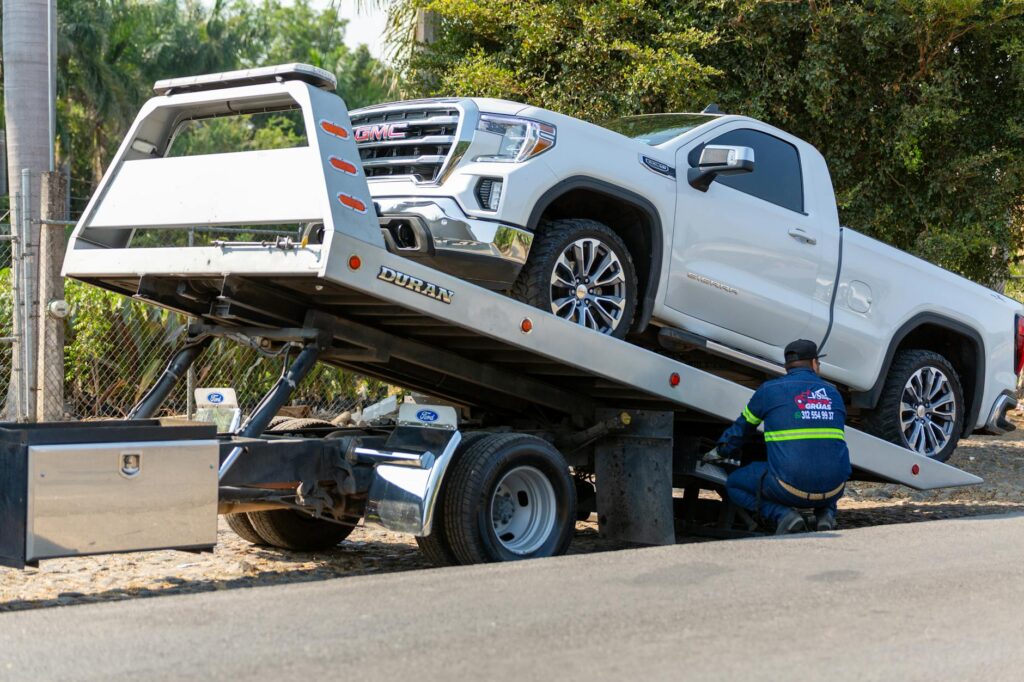
One of the biggest mistakes people make is assuming that any towing company will do. This is far from the truth. Different companies specialize in different types of towing, have varying equipment, and offer different levels of service and pricing. Some may be equipped for heavy-duty vehicles, while others focus on light-duty passenger cars. Some might use wheel-lift tow trucks, which can be unsuitable for certain vehicles, whereas a flatbed tow truck is often the safest option for transporting vehicles without causing wear on the drivetrain. Always research the company’s capabilities and ensure they have the right equipment for your specific vehicle and situation. For instance, a vehicle with all-wheel drive (AWD) generally requires a flatbed, as towing it with two wheels on the ground can cause serious transmission damage.
Overlooking Insurance and Licensing
Before a tow truck even arrives, it’s vital to verify that the company is properly licensed and insured. Unlicensed operators may not adhere to safety regulations, and if something goes wrong, you might not have recourse. Reputable towing companies will carry significant insurance coverage, including general liability and cargo insurance, to protect your vehicle while it’s in their care. According to industry standards, a professional towing company should be able to provide proof of their insurance and business licenses upon request. A quick search on your state’s Department of Transportation website can often confirm a company’s legitimacy.
Failing to Get a Written Estimate or Contract
Verbal agreements can lead to misunderstandings, especially when it comes to costs. Always ask for a detailed written estimate before authorizing any towing work. This estimate should clearly outline all charges, including hook-up fees, mileage rates, any special equipment needed (like dollies or winches), and potential surcharges for after-hours or long-distance towing. Without a written agreement, you could be blindsided by hidden fees. Many reliable services, such as those recommended by AAA, provide upfront pricing structures.
Not Documenting Your Vehicle’s Condition
Before the tow truck operator hooks up your vehicle, take a few minutes to document its current condition. Take photos or videos of any existing damage, such as dents, scratches, or cracked windows. This documentation serves as proof of the vehicle’s state before the tow, protecting you in case any new damage occurs during the process. While most tow truck operators are professional, accidents can happen, and having this record is invaluable. This is particularly important if your vehicle is already in poor condition due to an accident.
Choosing the Cheapest Option Blindly
While cost is a factor, selecting a towing service solely based on the lowest price can be a costly mistake. Extremely low rates can sometimes indicate a lack of proper insurance, inadequate equipment, or undertrained staff. These issues can lead to more expensive repairs down the line or even unsafe towing practices. It’s better to pay a fair price for a reputable service that prioritizes safety and reliability. Consider the overall value proposition—professionalism, equipment, insurance, and customer service—rather than just the bottom line.
Ignoring Reviews and Recommendations
In today’s digital age, online reviews and word-of-mouth recommendations are powerful tools. Before calling a towing service, take a moment to check online reviews on platforms like Google, Yelp, or the Better Business Bureau (BBB). Look for consistent positive feedback regarding punctuality, professionalism, fair pricing, and damage-free towing. If you’re a member of an auto club like AAA, their network of approved providers is usually a reliable starting point, as these providers are vetted for quality and service standards. According to a study by BrightLocal (2023), over 90% of consumers read online reviews before visiting a business.
When to Call for Emergency Roadside Assistance vs. Towing
It’s important to distinguish between emergency roadside assistance and a full tow. Roadside assistance services, often offered by auto clubs or insurance providers, can handle minor issues like jump-starts, tire changes, fuel delivery, or lockout services. These services are typically less expensive than a tow and can get you back on the road quickly. However, if your vehicle has suffered significant mechanical failure, is involved in an accident, or can’t be safely driven, then towing services are necessary. Understanding these distinctions can save you money and time.
What to Ask a Towing Company Before They Arrive
Confirming the Type of Tow Truck
As mentioned earlier, the type of tow truck is critical. Ask specifically if they will be using a flatbed or a wheel-lift. Explain your vehicle’s make, model, and whether it’s front-wheel drive, rear-wheel drive, or all-wheel drive. This ensures they dispatch the correct equipment. For example, a standard sedan might be fine with a wheel-lift, but a luxury car with low ground clearance or an AWD SUV will almost certainly need a flatbed.
Inquiring About Arrival Time and Tracking
While exact times can be difficult to guarantee due to traffic and other calls, ask for an estimated arrival window. Many reputable companies offer GPS tracking for their tow trucks, allowing you to monitor their progress in real-time via a smartphone app or web link. This transparency is a good sign of a professional operation.
Clarifying the Total Cost and Payment Methods
Reiterate the estimated cost and inquire about all potential additional fees. Ask what payment methods they accept. Some smaller operations might only accept cash, while larger companies will take credit cards. Knowing this in advance prevents awkward situations upon arrival.
Asking About the Towing Company’s Insurance
Don’t be afraid to ask about their insurance coverage. A legitimate company will be happy to provide this information, assuring you that your vehicle is protected. Ask if they have cargo insurance, which covers your vehicle while it’s being transported.
The Role of the Tow Truck Operator
The tow truck operator is more than just a driver; they are often the first point of contact and play a vital role in the safety and security of your vehicle. A good operator will be courteous, professional, and knowledgeable. They should explain the towing process, handle your vehicle with care, and ensure it’s properly secured on the truck. They are also trained in basic safety procedures for roadside incidents, often equipped with safety cones and reflective vests to make the scene visible to other drivers. Remember to provide them with clear instructions on where you want your vehicle towed—whether it’s your home, a mechanic’s shop, or a dealership.
Choosing the Right Destination for Your Tow
Where your vehicle is towed is as important as how it’s towed. If your car breaks down, you might be tempted to have it towed to the nearest repair shop. However, it’s often best to have it towed to a mechanic you trust or a dealership specializing in your car’s make. This is especially true if the breakdown is serious. For instance, if your vehicle is still under warranty, towing it to an authorized dealership is usually required to maintain warranty coverage. The Federal Trade Commission (FTC) advises consumers to be aware of their rights regarding auto repairs and warranties.
Frequently Asked Questions
How much do towing services typically cost?
The cost of towing services can vary widely based on distance, time of day, type of vehicle, and location. Generally, expect a base fee for hook-up, plus an hourly or per-mile rate. Local tows within a few miles might range from $75 to $150, while longer distances or specialized towing can cost several hundred dollars. Always get an upfront quote.
Can a tow truck damage my car?
Yes, improper towing techniques or using the wrong equipment can cause damage. This includes scratches, dents, transmission issues (especially with AWD vehicles towed incorrectly), or suspension damage. Choosing a reputable company with experienced operators and the correct equipment, like a flatbed, significantly reduces this risk.
What information do I need to provide when calling for a tow?
You’ll need to provide your exact location, a description of the vehicle (make, model, color), the nature of the problem (breakdown, accident), and your desired drop-off destination. Be prepared to confirm your contact information.
Is 24/7 towing available everywhere?
Many towing companies offer 24/7 service, especially in urban and major highway areas. However, availability can be limited in rural or remote locations. It’s wise to have the contact information for a 24/7 service saved in your phone for emergencies.
What should I do while waiting for the tow truck?
Ensure your vehicle is in a safe location, away from traffic. If on a busy road, turn on your hazard lights and, if safe to do so, exit the vehicle and wait in a secure area away from traffic. Stay visible and avoid standing directly behind or in front of your car.
Conclusion
Dealing with a vehicle breakdown is never convenient, but by understanding the common pitfalls and preparing in advance, you can ensure that hiring Towing Services is a smooth and stress-free process. Always prioritize professionalism, proper equipment, and clear communication. Research companies, ask detailed questions, and document everything. For reliable and trustworthy towing in the Arizona area, AZ Hooks is committed to providing safe, efficient, and fair-priced vehicle transportation. Don’t wait for an emergency to figure out your towing needs—plan ahead and save yourself potential headaches.