Why You Might Need Glendale Roadside Assistance
Imagine this: It’s a sweltering afternoon in Glendale, Arizona, and your car suddenly sputters to a halt on the side of the road. Or perhaps it’s a cool evening, and you discover a flat tire just as you’re heading home. These unexpected vehicle hiccups are inconvenient, stressful, and can derail your plans quickly. Having reliable Glendale roadside assistance isn’t just a convenience. it’s often a necessity for drivers in the Valley of the Sun. Whether it’s a dead battery, an empty fuel tank, or a more serious mechanical issue, knowing who to call and what services are available can make all the difference.
Last updated: April 23, 2026
The Arizona Department of Transportation (ADOT) reports that traffic incidents can cause significant delays, underscoring the importance of prompt assistance. For instance, a single disabled vehicle blocking a lane can create a ripple effect, impacting hundreds of other drivers. Swift and efficient roadside service is really important to mitigating these disruptions.
what’s Glendale Roadside Assistance?
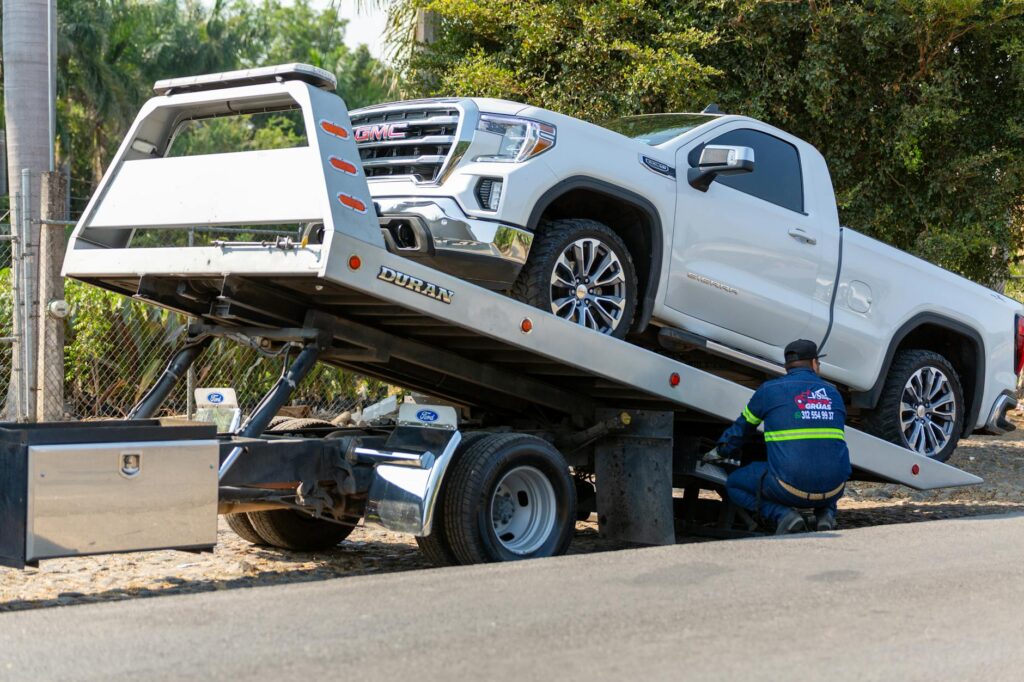
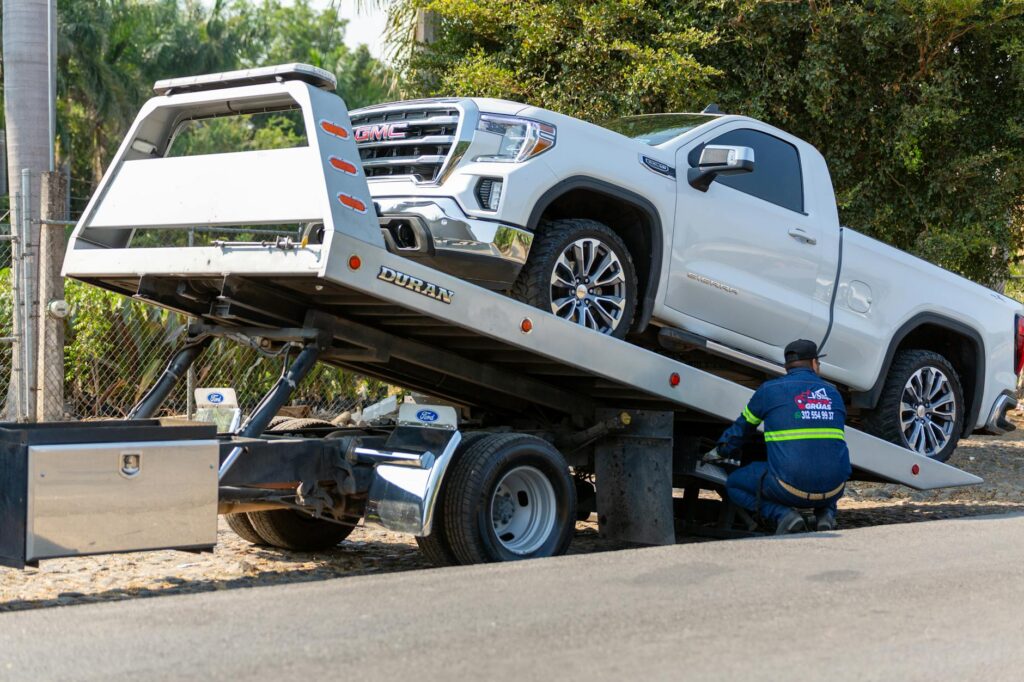
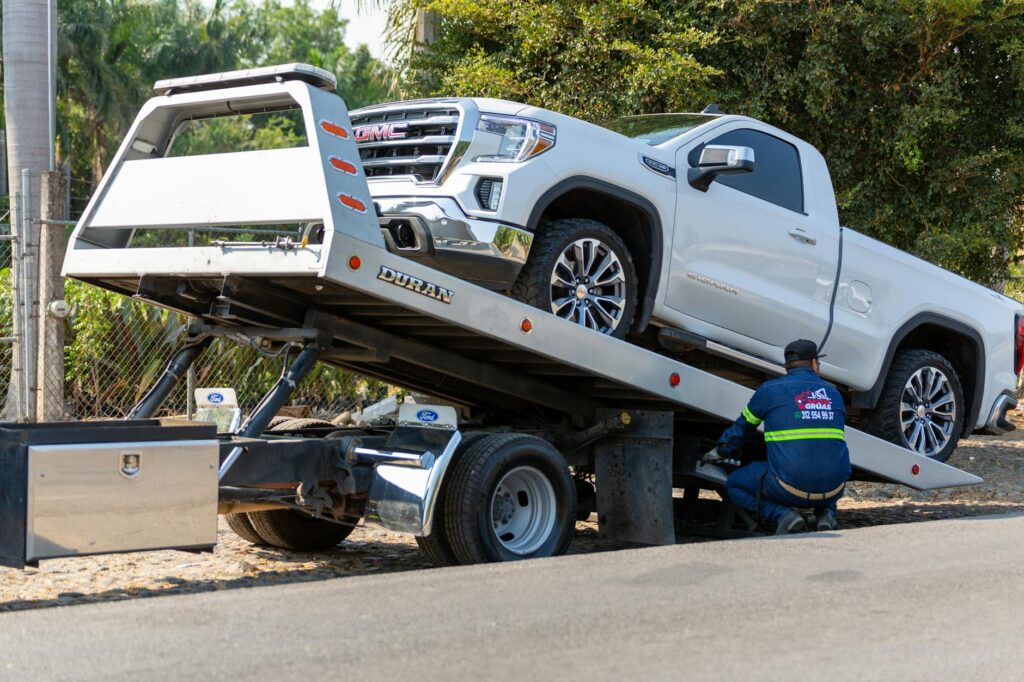
Glendale roadside assistance is a service designed to help drivers who experience unexpected vehicle problems while on the road. You can include services like towing, flat tire changes, battery jump-starts, fuel delivery, and car lockout assistance. These services are typically available 24/7 and can be accessed through various providers, from dedicated roadside assistance companies to independent towing services and mobile mechanics.
Your Options for Glendale Roadside Assistance
1. Traditional Roadside Assistance Plans (e.g., AAA)
For many drivers, the first thought not just in Glendale. You pay a membership fee, and then you can call for assistance knowing that many common issues are covered up to a certain limit per incident.
Pros:
- Wide network of service providers.
- Coverage extends beyond Glendale.
- Often includes additional member benefits like discounts on hotels and car rentals.
- Predictable costs if you use the service multiple times a year.
Cons:
- Annual membership fees can add up, especially if you don’t use the service often.
- Response times can vary depending on your location and the provider’s availability.
- Coverage limits may apply to towing distance or specific services.
- May require you to use their affiliated providers, limiting your choices.
According to AAA’s own data, they respond to millions of calls annually, highlighting the demand for such services. Their extensive network is a significant advantage, but it’s essential to understand your specific plan’s limitations.
 ▶
▶
Castelo's Towing Service / Emergency Roadside Assistance In Glendale AZ 85301
2. Independent Towing and Roadside Service Companies
Glendale is served by numerous independent towing companies and specialized roadside assistance providers. These companies typically operate on a per-service fee basis. You call them when you need help, and you pay for the specific service rendered. You can be a more cost-effective option if you rarely experience car trouble.
Pros:
- Pay only for services you use.
- Potentially faster response times for local calls, as they’re often based within Glendale or nearby areas.
- More flexibility in choosing a provider if you have multiple options.
Cons:
- Costs can be unpredictable and potentially high for major issues like extensive towing.
- Quality and reliability can vary greatly between companies. research is Key.
- May not offer the same breadth of services as a large membership organization.
When selecting an independent company, look for those with a strong local reputation and clear pricing structures. Websites like Yelp or Google Reviews can offer insights into customer experiences. For example, a quick search for “towing companies Glendale AZ” reveals dozens of options, each with varying service offerings and pricing.
3. Mobile Mechanic Services
For mechanical issues rather than just towing needs, a mobile mechanic can be an excellent solution. Here are certified technicians who come to your location to perform repairs. Here’s especially useful for issues like battery replacements, minor electrical problems, or fluid leaks that can be fixed on-site. Services like ‘Fixr’ and ‘Honest Mobile Mechanic’ are examples of platforms that connect consumers with local mobile mechanics, often providing upfront pricing estimates.
Pros:
- Convenient – repairs are done at your location.
- Can be cheaper than towing to a shop and paying shop labor rates.
- Specialized for on-the-spot repairs, saving time.
Cons:
- Limited to repairs that can be done roadside. complex issues still require towing.
- Availability might be less than traditional towing services, especially during peak hours or emergencies.
- Ensuring the mechanic has the right parts and tools on hand can be a challenge.
According to industry estimates, mobile mechanics can save consumers up to 50% on labor costs compared to traditional brick-and-mortar repair shops. This makes them an attractive option for common roadside maladies.
4. Insurance Policy Add-ons
Many auto insurance policies offer roadside assistance as an optional add-on. This coverage is often bundled with your complete or collision insurance and can be a cost-effective way to get basic roadside services. The terms and coverage limits will depend entirely on your insurance provider and the specific policy you have.
Pros:
- Potentially the most affordable option if you already have insurance.
- Convenient to have coverage through your existing provider.
- Often includes towing and basic emergency services.
Cons:
- Coverage limits can be restrictive (e.g., short towing distances).
- May increase your insurance premiums.
- You might be limited to the insurance company’s pre-approved service providers.
- Not all insurance policies offer this add-on.
When considering this option, it’s vital to review your policy documents carefully or speak directly with your insurance agent. exact benefits and limitations is key. As reported by the National Association of Insurance Commissioners (NAIC) (2019), consumers should compare the cost and coverage of insurance add-ons with standalone plans.
Common Roadside Issues and How to Address Them
Flat Tire
A flat tire is one of the most common roadside problems. If you have a spare tire and the necessary tools (like a jack and lug wrench), you can change it yourself. However, if you’re unsure, lack the equipment, or the spare is also flat, you’ll need assistance. Most roadside assistance providers offer flat tire changes, often using your spare. If you don’t have a spare, they’ll likely tow you to a service center.
Dead Battery (Battery Jump Start)
Cold weather, extreme heat (which degrades batteries faster, especially in Arizona’s climate), or leaving lights on can drain your car battery. A jump-start service uses jumper cables and another vehicle (or a portable jump pack) to get your engine running again. If the battery is old and fails to hold a charge after a jump, you’ll likely need a replacement — which a mobile mechanic or towing service can arrange.
Out of Gas
Running out of fuel is an easy mistake to make, especially when driving in unfamiliar areas or if your fuel gauge is faulty. Roadside assistance services can deliver a small amount of gasoline (typically 1-2 gallons) directly to your location, enough to get you to the nearest gas station. Be aware that you’ll pay for the fuel plus a service fee.
Car Lockout
Accidentally locking your keys inside your car is frustrating. Lockout services use specialized tools to unlock your car doors without causing damage. This service is invaluable when you’re stranded and need immediate access to your vehicle.
Overheating
Arizona’s heat can push engines to their limits. If your car is overheating, pull over safely and turn off the engine. don’t attempt to open the radiator cap while the engine is hot, as the pressurized steam can cause severe burns. While roadside assistance can’t fix an overheating engine on the spot beyond perhaps adding coolant if accessible, they can arrange for towing to a repair shop.
Preparing for Roadside Emergencies in Glendale
1. Maintain Your Vehicle
Regular maintenance is the best form of preventative roadside assistance. According to the National Highway Traffic Safety Administration (NHTSA) (2017), proactive maintenance reduces the likelihood of breakdowns. Ensure your tires are properly inflated, fluids are topped off, and your battery is in good condition. Check your owner’s manual for recommended service intervals.
2. Keep an Emergency Kit
A well-stocked emergency kit can be a lifesaver. Consider including:
- Jumper cables
- A first-aid kit
- A flashlight with extra batteries
- Basic tools (screwdriver, pliers, adjustable wrench)
- A portable tire inflator
- Water and non-perishable snacks
- Reflective triangles or flares
- A blanket
- Your roadside assistance contact information and membership card
3. Know Your Contact Information
Have the phone number for your chosen roadside assistance provider readily accessible. Many providers also offer mobile apps that allow you to request service directly from your smartphone, often providing GPS tracking of the service vehicle. Ensure your phone is fully charged before heading out on longer trips.
4. Understand Your Coverage
Whether you have a membership plan, an insurance add-on, or rely on independent services, know what your coverage entails. what’s the towing limit? Are there restrictions on the number of service calls per year? What specific services are included? Clarity here prevents surprises during an emergency.
Frequently Asked Questions
How quickly can I get roadside assistance in Glendale?
Response times for Glendale roadside assistance can vary typically ranging from 30 minutes to over an hour. Factors influencing speed include your exact location, the time of day, traffic conditions, and the availability of service providers in your area.
Is roadside assistance worth the cost?
For most drivers, especially those who travel frequently or have older vehicles, roadside assistance is often worth the cost. It provides peace of mind and can save you substantial money and hassle during an unexpected breakdown compared to paying for services on demand.
What should I do if my car breaks down on a busy highway like the Loop 101?
If your car breaks down on a busy highway, prioritize safety. Turn on your hazard lights, try to steer your vehicle to the right shoulder or as far off the road as possible. Stay in your vehicle with your seatbelt fastened if it’s safe, or exit carefully on the side away from traffic and stand in a safe location away from the roadway. Call for assistance immediately.
Can roadside assistance help with a dead battery?
Yes, virtually all roadside assistance plans and services offer battery jump-start assistance. If your battery is beyond a jump-start and needs replacement, they can often arrange for that service as well, sometimes through a mobile mechanic.
What’s the difference between towing and roadside assistance?
Roadside assistance is a broader term that includes services like jump-starts, fuel delivery, tire changes, and lockout services. Towing is a specific service within roadside assistance that involves transporting your vehicle from one location to another, typically when it can’t be driven.
Conclusion: Choosing the Right Glendale Roadside Assistance for You
options for Glendale roadside assistance reveals that there isn’t a one-size-fits-all solution. For those seeking complete, widespread coverage and peace of mind, a membership like AAA is often a solid choice. If you prefer to pay as you go and rarely need assistance, independent towing companies or mobile mechanics might be more economical. Don’t overlook your auto insurance policy for potential bundled coverage. The most Key step is to assess your driving habits, vehicle condition, and budget to select the service that best fits your needs. Being prepared with the right knowledge and service plan ensures that a roadside emergency in Glendale doesn’t become a major crisis.