
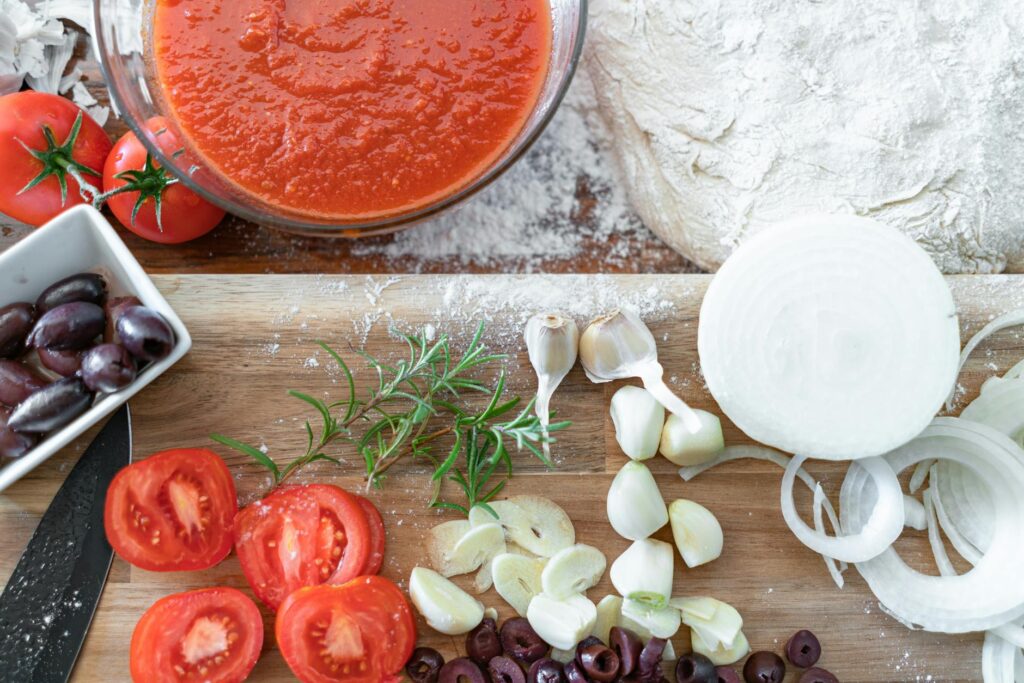
Real Tomato Sauce From Scratch: Taste the Difference
Look, I get it. You’re busy. The idea of making tomato sauce from scratch might sound like a whole weekend project, reserved for Nonnas in sun-drenched Italian kitchens. But honestly? That’s mostly a myth. The real deal, the stuff that makes you close your eyes and savor every bite, is far more accessible than you think. In fact, the biggest mistake most people make isn’t the technique; it’s using mediocre ingredients or settling for a recipe that’s just… fine. We’re talking about ditching that watery, overly sweet, suspiciously red stuff from the grocery aisle and creating something genuinely, gloriously tomatoey.
This isn’t about complicated purées or obscure techniques. It’s about understanding your tomatoes and giving them the respect they deserve. I’ve spent years tinkering, messing up, and finally nailing down what makes a truly exceptional tomato sauce from scratch. And guess what? It often comes down to a few simple choices. Forget fancy equipment; your stovetop and a good pot are all you really need.
What’s Really In Your Store-Bought Sauce?
Before we dive into making our own, let’s talk about why we bother. Most commercial tomato sauces are packed with fillers, preservatives, and way too much sugar to mask the blandness of the tomatoes they use. They often rely on concentrated tomato paste rather than fresh or whole canned tomatoes, which dramatically impacts the final flavor. Thing is, the best tomatoes for sauce aren’t always the ones that look the prettiest for a salad. They’re often smaller, denser, and bursting with concentrated flavor – think San Marzano or Roma varieties. Using these makes the ‘from scratch’ difference almost instantaneous.
[IMAGE alt=”Close-up of plump San Marzano tomatoes” caption=”San Marzano tomatoes are a favorite for their sweetness and low acidity.”]
Why does this matter? Because when you start with good ingredients, you don’t need much else. My journey with tomato sauce from scratch really kicked off after a disastrous pasta dinner where the sauce tasted… well, like nothing. It was a wake-up call. I realized I was paying for a jar of disappointment. That’s when I committed to making it myself, and the results have been game-changing for everything from pasta to pizza.
Choosing Your Tomato Base: Fresh vs. Canned
This is where the rubber meets the road for making tomato sauce from scratch. Do you go fresh or canned? Honestly, both can work, but they require different approaches. If you’re making sauce in the summer when tomatoes are peak season and cheap, fresh is fantastic. Look for paste tomatoes like Roma or San Marzano. You’ll want to blanch them, peel them, and then crush or chop them. It’s more hands-on, sure, but the bright, vibrant flavor of sun-ripened tomatoes is unparalleled.
However, for year-round consistency and ease, I often reach for high-quality canned tomatoes. Don’t just grab any can! Look for whole peeled San Marzano tomatoes (D.O.P. certified if you can find them – they’re grown in a specific region of Italy and have a superior flavor profile). Why whole peeled? Because they tend to have fewer additives and better quality control than diced or crushed. You can easily crush them by hand or give them a quick pulse in the blender. Canned tomatoes offer a concentrated, consistent flavor that’s perfect for a strong sauce. It’s what many Italian chefs swear by, even when they have access to the freshest produce.
The San Marzano Advantage
If you’re serious about tomato sauce from scratch, do yourself a favor and seek out San Marzano tomatoes. Their elongated shape, thick flesh, and fewer seeds mean more tomato goodness and less watery pulp. Plus, they have a natural sweetness and lower acidity compared to many other varieties. This means less sugar needed in your sauce – a big win for authentic flavor.
The Simple Steps to Incredible Tomato Sauce
Alright, let’s get cooking. This is a foundational recipe, one you can tweak endlessly, but it’s built for maximum flavor with minimal fuss. Forget complicated steps; this is about building layers of taste.
- Soffritto Foundation: In a heavy-bottomed pot (like a Dutch oven), heat a good glug of extra virgin olive oil over medium heat. Add finely chopped onion and garlic. Sauté slowly until softened and fragrant, about 5-10 minutes. Don’t rush this; you’re building the aromatic base.
- Tomato Time: Add your crushed or whole peeled canned tomatoes (and their juice) to the pot. If using whole, break them up with a wooden spoon or your hands. If you’re feeling fancy, add a pinch of red pepper flakes for a little heat.
- Simmer Down: Bring the sauce to a gentle simmer. Reduce the heat to low, cover partially, and let it cook for at least 45 minutes, or ideally 1-2 hours. The longer it simmers, the deeper the flavor will become. Stir occasionally to prevent sticking.
- Seasoning Savvy: Taste the sauce. This is crucial! Does it need salt? Pepper? A tiny pinch of sugar if it’s too acidic (though good tomatoes shouldn’t require much)? Fresh basil leaves are a must for me during the last 15 minutes of simmering.
- Texture Choice: Do you want it smooth or chunky? For a smoother sauce, you can use an immersion blender or transfer it carefully to a regular blender. I often prefer a slightly rustic texture, so I skip this step.
Expert Tip: Don’t be afraid to let your sauce simmer for longer than you think. I’ve had my best sauces go for three or even four hours on the lowest possible heat. The water evaporates, the flavors concentrate, and you end up with something truly magical. Just make sure to stir it more often as it thickens.
[IMAGE alt=”A pot of tomato sauce simmering with fresh basil” caption=”Simmering is key for developing deep, rich tomato flavor.”]
🎬 Related Video
📹 tomato sauce from scratch — Watch on YouTube
Common Pitfalls to Avoid
Even with a solid recipe, people still make mistakes when trying to make tomato sauce from scratch. The biggest offenders? Over-salting early on (you can always add more, but you can’t take it away!) and not simmering long enough. Another common issue is adding too much sugar. While a little can balance acidity, excessive sugar turns your beautiful tomato sauce into a candy-like concoction. Remember, the goal is to highlight the tomato, not mask it.
Important Note: If you’re using very ripe, fresh tomatoes, you might need to strain out some of the excess water before simmering to prevent a watery sauce. You can do this by placing the crushed tomatoes in a colander set over a bowl for about 30 minutes. This helps concentrate the tomato solids.
- Unbeatable fresh flavor
- Control over ingredients (no added sugar, preservatives)
- Cost-effective, especially with seasonal produce
- Customizable to your taste preferences
- Rewarding culinary experience
- Takes more time than opening a jar
- Requires sourcing quality ingredients
- Can be messy
- Requires patience for simmering
Beyond Pasta: Versatile Tomato Sauce Uses
The beauty of a great tomato sauce from scratch isn’t just for spaghetti. This stuff is liquid gold! It’s the base for countless dishes. Think shakshuka (eggs poached in spicy tomato sauce), a base for braising meats, drizzled over grilled chicken or fish, or as the foundation for your homemade pizza. A good batch can be frozen in portions for future quick meals. Last week, I used some leftover sauce to make the most incredible Chicken Cacciatore – way better than any version I’d had in restaurants.
When I first started making my own, I’d freeze portions in Ziploc bags. But now, I’ve invested in some good quality glass jars and a proper water bath canner. Canning allows me to store it safely in the pantry for months, making weeknight dinners even easier. It’s a bit more upfront work, but the payoff is huge.
Learn more about the benefits of using plum tomatoes in your cooking here.
How Does Tomato Sauce From Scratch Compare?
Let’s put it on paper. Imagine you’re staring at two bowls of pasta. One has sauce from a jar, the other has your homemade masterpiece. The store-bought sauce might look glossy, but the flavor is one-dimensional. It’s salty, a little sweet, maybe a hint of something metallic. Now, take a bite of the homemade version. You taste the bright acidity of the tomatoes, the sweetness of slow-cooked onions, the pungent kick of garlic, maybe the subtle perfume of basil. It coats the pasta beautifully, not thin and watery. It’s complex, rich, and deeply satisfying. That’s the difference.
The comparison is stark, and honestly, once you taste the real thing, you won’t go back. It’s like comparing a factory-produced painting to a handcrafted one. Both might serve a purpose, but only one has soul.
A Real-World Example: My friend Sarah, a notoriously picky eater, refused to try my homemade sauce for years, convinced it was too much effort. I made a big batch and brought her over a jar. The next day, she called me, asking for the recipe. She’d made pizza with it and said it was the best pizza she’d ever had. That’s the power of tomato sauce from scratch.
For more on making flavorful tomato dishes, check out our guide on easy tomato dishes.
Frequently Asked Questions
Do I need special tomatoes for sauce from scratch?
While any tomato works, paste tomatoes like Roma or San Marzano are best for sauce from scratch. They have thicker flesh, fewer seeds, and less water, concentrating the flavor beautifully. Using high-quality canned whole peeled tomatoes is also an excellent, consistent option.
How long does homemade tomato sauce last?
Refrigerated, homemade tomato sauce from scratch typically lasts 3-5 days. For longer storage, it freezes well for up to 6 months or can be canned using proper sterilization methods for shelf stability.
Why is my homemade sauce bland?
A bland sauce usually results from using low-quality tomatoes, not simmering long enough for flavors to develop, or insufficient seasoning. Ensure you’re using good tomatoes, slowly cooking the aromatics, and tasting/adjusting salt and pepper throughout the process.
Can I make sauce from scratch without cooking for hours?
Yes, you can make a decent sauce from scratch in about an hour if you’re using good quality canned tomatoes. The key is still a slow sauté of onions and garlic, and at least 30-45 minutes of simmering to meld flavors, though longer is always better.
What’s the secret to great tomato sauce from scratch?
The secrets are simple: start with quality tomatoes (fresh or canned San Marzanos are top-tier), build a flavor base with slowly cooked onion and garlic, and allow ample simmering time for the flavors to deepen and concentrate. Taste and season thoughtfully.
Your Kitchen Awaits: Make Real Tomato Sauce
Honestly, the hardest part about making tomato sauce from scratch is overcoming the inertia. Once you start, you’ll see just how simple and rewarding it is. You’re not just making a sauce; you’re making a fundamental building block for incredible meals. You’re tasting sunshine, earth, and pure, unadulterated tomato goodness. So next time you’re reaching for that jar, pause. Grab some good tomatoes, and give this a try. Your taste buds will thank you. You’ve got this.