
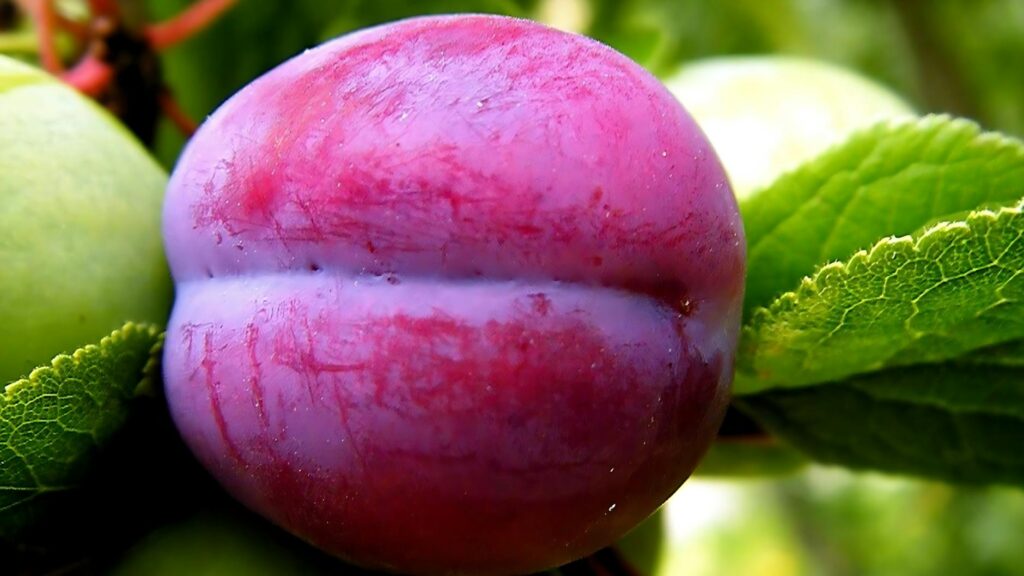
Plum Tomatoes: Your Ultimate Guide to Flavor & Cooking
Is your homemade pasta sauce lacking that deep, satisfying tomato punch? Do store-bought canned tomatoes often taste metallic or watery, ruining your carefully crafted meals? You’re not alone. The secret to unlocking incredible tomato flavor, especially in cooked dishes, often lies in choosing the right variety. Enter the humble, yet mighty, plum tomato.
Plum tomatoes, also widely known as paste tomatoes, are specifically bred for their lower moisture content and fewer seeds, which translates directly into a more concentrated, sweeter flavor when cooked. They are the workhorses of the tomato world for sauces, pastes, and canning. This article will dive deep into why these tomatoes are superior for cooking and how you can make the most of them in your kitchen and garden.
Table of Contents
- What Exactly Are Plum Tomatoes?
- Why Plum Tomatoes Reign Supreme for Cooking
- Choosing the Best Plum Tomatoes: Varieties & Tips
- Growing Your Own Plum Tomatoes: A Beginner’s Guide
- Preparing Plum Tomatoes: Peeling, Seeding, and Chopping
- The Best Culinary Uses for Plum Tomatoes
- Storing and Preserving Plum Tomatoes
- Frequently Asked Questions
What Exactly Are Plum Tomatoes?
Plum tomatoes are a category of tomato varieties characterized by their oblong, oval, or cylindrical shape, resembling the fruit they are named after. Unlike the large, beefsteak varieties or the smaller cherry types, plum tomatoes are prized for their dense, meaty flesh, thick skins, and significantly fewer seeds and internal gel. This unique internal structure makes them ideal for cooking down, as they lose less volume to water evaporation and retain a strong tomato flavor. Common examples include Roma, San Marzano, Amish Paste, and Principe Borghese.
Why Plum Tomatoes Reign Supreme for Cooking
The primary reason plum tomatoes excel in cooked dishes is their superior flesh-to-water ratio. When you cook a regular slicing tomato, a significant portion of its volume is water, which evaporates, leaving you with less concentrated flavor and a thinner sauce. Plum tomatoes, with their dense flesh and minimal seeds, break down beautifully into a rich, flavorful base without becoming watery. This means less cooking time and a more intense tomato taste in your final dish. They are the foundation for authentic Italian sauces, strong salsas, and perfectly preserved canned goods.
🎬 Related Video
📹 plum tomatoes — Watch on YouTube
Choosing the Best Plum Tomatoes: Varieties & Tips
When selecting plum tomatoes, understanding the different varieties can elevate your cooking even further. While Roma tomatoes are the most common and widely available, they are just the beginning.
San Marzano Tomatoes
Often hailed as the king of paste tomatoes, San Marzano tomatoes (originating from the Agro Sarnese-Nocerino region of Italy) are elongated with a rich, sweet flavor and fewer seeds. They are protected by an IGP (Indicazione Geografica Protetta) designation, ensuring authenticity. Their low acidity and balanced sweetness make them unparalleled for sauces and canning. You’ll often see them mentioned on high-quality canned tomato products from brands like Muir Glen Organic or Centofanti.
Roma Tomatoes
These are the ubiquitous paste tomatoes found in most supermarkets. They are reliable, readily available, and perform well in most cooked applications. While perhaps not as refined as San Marzanos, they offer a good balance of flavor and texture for everyday cooking.
Amish Paste Tomatoes
A larger, heirloom variety, Amish Paste tomatoes are known for their meaty texture and excellent flavor. They are great for sauces and can also be enjoyed fresh.
Principe Borghese Tomatoes
These smaller, intensely flavored plum tomatoes are traditionally grown in Italy and are excellent for sun-drying or making thick pastes. They are less common in mainstream stores but are a favorite among gardeners seeking concentrated flavor.
Pro Tip: If buying canned tomatoes, look for whole peeled San Marzano tomatoes packed in their own juice. Brands like Muir Glen Organic are a good choice for organic options.
- Intense, concentrated flavor ideal for cooking.
- Meaty texture with less water and seeds.
- Break down well for sauces, pastes, and canning.
- Versatile for various cooked tomato dishes.
- Good source of lycopene and Vitamin C.
- Can be slightly more expensive than standard tomatoes.
- Less juicy and watery than slicing tomatoes, not ideal for fresh salads.
- Thicker skin can sometimes require peeling for ultra-smooth sauces.
Growing Your Own Plum Tomatoes: A Beginner’s Guide
Growing your own plum tomatoes can be incredibly rewarding, offering the freshest possible flavor straight from your garden. They are relatively easy to grow, even for beginners, provided you give them adequate sunlight and care.
- Choose a Sunny Spot: Tomatoes need at least 6-8 hours of direct sunlight daily.
- Prepare the Soil: Use well-draining soil enriched with compost. Aim for a slightly acidic to neutral pH (6.0-7.0).
- Planting: Start seeds indoors 6-8 weeks before the last frost, or purchase seedlings from a reputable nursery like Bonnie Plants. Plant seedlings deep, burying about two-thirds of the stem, as they will grow roots along the buried portion.
- Watering: Water consistently, aiming for about 1-1.5 inches per week, more during hot, dry spells. Water at the base of the plant to avoid fungal diseases.
- Support: Most plum tomato varieties are indeterminate (vining) and require staking or caging to support their growth and keep fruit off the ground.
- Fertilizing: Feed with a balanced fertilizer or one formulated for tomatoes every 4-6 weeks, following package directions.
- Pest and Disease Control: Monitor for common pests like aphids and hornworms. Practice crop rotation and choose disease-resistant varieties when possible.
With proper care, you can enjoy a bountiful harvest of these flavor-packed gems throughout the summer growing season.
Preparing Plum Tomatoes: Peeling, Seeding, and Chopping
While you can often use plum tomatoes with their skins on, peeling them can result in a smoother texture for sauces and purees. Thankfully, it’s a simple process.
How to Peel Plum Tomatoes:
- Score the Skin: Make a small ‘X’ cut on the bottom (blossom end) of each tomato.
- Blanch: Drop the tomatoes into boiling water for 30-60 seconds, until the skin just starts to split around the ‘X’.
- Ice Bath: Immediately transfer the tomatoes to an ice bath to stop the cooking process.
- Peel: The skins should now slip off easily with your fingers or a paring knife.
Once peeled, you can easily remove the seeds by cutting the tomato in half lengthwise and scooping out the seeds and pulp with a spoon. For chopping, simply dice the tomato flesh to your desired size. For sauces, a quick pulse in a food processor or blender can create a smooth puree.
The United States Department of Agriculture (USDA) reports that tomatoes are a good source of Vitamin C, potassium, and folate, with lycopene being a key antioxidant contributor, especially prominent in cooked tomato products. Last updated: April 2026.
The Best Culinary Uses for Plum Tomatoes
Plum tomatoes truly shine when heat is involved. Their concentrated flavor and meaty texture make them the star of many dishes.
Sauces and Pastes
This is where plum tomatoes are unbeatable. From classic marinara and bolognese to pizza sauce and ketchup, their low moisture content means you get rich flavor without endless simmering to reduce excess water. San Marzano tomatoes are particularly prized for their subtle sweetness and smooth texture in sauces.
Roasting
Roast halved plum tomatoes with garlic, olive oil, and herbs like basil or oregano. They caramelize beautifully, intensifying their sweetness and creating a delicious side dish or topping for bruschetta and salads.
Canning and Preserving
Due to their dense flesh, plum tomatoes are perfect for canning whole, diced, or pureed. They hold their flavor exceptionally well, allowing you to enjoy the taste of summer tomatoes year-round. Making homemade tomato paste is also significantly easier and more flavorful with plum tomatoes.
Salsas and Chutneys
While fresh, juicy tomatoes are often preferred for pico de gallo, roasted or stewed plum tomatoes can add a deeper, more complex flavor to cooked salsas and chutneys.
Common Mistake: Using watery slicing tomatoes for a rich tomato sauce. This leads to a thinner sauce that requires much longer cooking time to achieve the desired flavor concentration, often resulting in a less vibrant taste.
Storing and Preserving Plum Tomatoes
Proper storage ensures your plum tomatoes maintain their quality and flavor. Unlike their more delicate cousins, plum tomatoes are quite forgiving.
Short-Term Storage (Fresh):
Keep fresh plum tomatoes at room temperature, away from direct sunlight, until they are ripe. Once ripe, they can last for several days. Avoid refrigerating them if possible, as cold temperatures can dull their flavor and affect their texture.
Long-Term Preservation:
- Freezing: You can freeze whole or chopped plum tomatoes. Wash them, remove the stems, and place them in freezer bags or containers. They will become mushy upon thawing but are perfect for cooked dishes like soups and sauces.
- Canning: Properly canned plum tomatoes can last for 1-2 years. Follow tested recipes from sources like the National Center for Home Food Preservation (NCHFP) for safe canning practices.
- Drying: Sun-drying or dehydrating plum tomatoes concentrates their flavor intensely, creating chewy, sweet morsels that are great for adding to pasta dishes, salads, or pestos.
Preserving the harvest ensures you have access to that wonderful plum tomato flavor whenever you need it. For safe and reliable canning instructions, consult resources from the National Center for Home Food Preservation.