
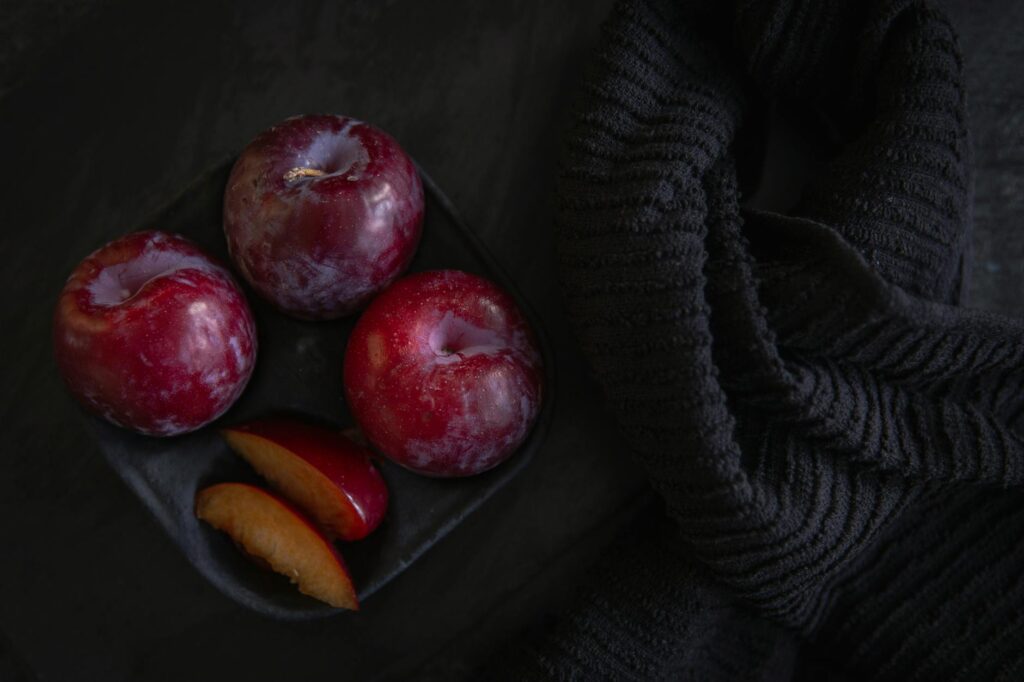
Plum Tomatoes Uses Beyond the Sauce
Look, if you’re still thinking plum tomatoes are just the pre-canned mush destined for a mediocre marinara, we need to talk. I’ve spent years in kitchens, both professional and my own, and let me tell you, dismissing these elongated gems is a culinary sin. The real magic of plum tomatoes lies in their versatility, a fact often overlooked by those content with surface-level cooking. Their lower water content and firmer flesh mean they concentrate flavor like a dream. Think beyond the boiling pot. their true potential unfurls when you understand their unique properties.
This isn’t your beginner’s guide to basic tomato slicing. We’re diving deep into how experienced cooks leverage plum tomatoes for maximum flavor impact. Whether you’ve got a haul from the farmer’s market or a trusty can from Italy, you’re sitting on a goldmine.
What Makes Plum Tomatoes Different (and Why You Should Care)
So, what’s the big deal with plum tomatoes, like the ubiquitous Roma or the revered San Marzano? It boils down to their structure. Unlike beefsteak or heirloom varieties, they’re bred for less water and fewer seeds. This means when you cook them, you’re not just steaming them. you’re intensifying their inherent sweetness and umami. Here’s Key for dishes where you want a strong tomato flavor without the excess liquid diluting your sauce or turning your roasted vegetables soggy. Honestly, this one characteristic is why they remain a staple for serious cooks.
[IMAGE alt=”A pile of fresh Romas and San Marzano plum tomatoes” caption=”Fresh plum tomatoes are the stars of many dishes.”]
The difference is stark. A beefsteak tomato might be great for a sandwich where its juicy texture is key, but try making a thick, slow-simmered ragu with it, and you’ll be staring at a watery mess. Plum tomatoes, But — break down into a rich, concentrated base. Here’s fundamental knowledge for anyone serious about elevating their Italian cooking or any cuisine that relies on a solid tomato foundation.
The Art of Concentrating Flavor: Roasting and Confit
This is where plum tomatoes truly shine for the discerning palate. Roasting them, especially at a lower temperature for an extended period, transforms them. They shrink, caramelize, and develop an almost jammy consistency. I often toss halved Romas with olive oil, garlic cloves, and a sprig of thyme, then roast them at 300°F (150°C) for a couple of hours. The result? A sweet, intensely flavored morsel that’s miles beyond anything you can get from a can. It’s this slow transformation that unlocks their deepest flavors.
Even better is tomato confit. While technically more about the oil than the tomato itself, the plum tomato is the perfect vessel. Gently poaching halved plum tomatoes in olive oil infused with garlic, herbs, and maybe a pinch of chili flakes, over very low heat, creates something magical. The tomatoes become meltingly tender, infused with the aromatic oil, and the oil itself becomes a flavor bomb you can use for everything from dressing salads to finishing pasta. It’s a technique that requires patience, but the payoff is immense.
Expert Tip: For an even deeper flavor when roasting, consider cutting the plum tomatoes lengthwise. This exposes more surface area to the heat, leading to better caramelization. Don’t overcrowd the pan. give them space to roast, not steam. This makes a surprising difference.
Beyond Simmering: Plum Tomatoes in Fresh Applications
Think plum tomatoes are only good when cooked down? Think again. While their lower moisture content makes them less ideal for slicing raw onto a sandwich compared to a beefsteak, they have fantastic uses in fresh preparations where you want a bit more structure and a burst of clean tomato flavor.
Consider a chunky salsa or a pico de gallo. Dicing fresh plum tomatoes gives you distinct pieces of tomato that hold their shape, offering a pleasant textural contrast to softer ingredients like avocado or onion. Their flavor is bright and less watery, allowing the other components of your salsa to shine. This is especially true if you’ve got especially flavorful, in-season plum tomatoes.
Bruschetta is another prime example. Toasted bread rubbed with garlic, then topped with finely diced fresh plum tomatoes, basil, a drizzle of good olive oil, and a pinch of salt. The tomatoes provide a fresh, slightly acidic counterpoint to the rich garlic and toasted bread. Their firmness prevents the bread from becoming instantly soggy, a common pitfall with more watery tomato varieties.
Using Canned Plum Tomatoes Like a Pro
Let’s be real: not everyone has access to perfect, in-season fresh plum tomatoes year-round. That’s where high-quality canned plum tomatoes come in. But there’s a vast difference between a generic can and something like San Marzano DOP (Denominazione di Origine Protetta). The DOP designation guarantees they were grown in a specific region of Italy, under strict guidelines, and possess a superior flavor and texture. I personally swear by brands like Muir Glen for organic options or Cento for their San Marzanos when I can’t get fresh.
When using canned whole peeled plum tomatoes, don’t just dump them in the pot. For sauces, I like to crush them by hand (wearing gloves, obviously!) or give them a quick pulse in a food processor. This gives you a better texture than machine-pulverized tomatoes. For an even richer sauce, you can strain some of the liquid, reduce it separately, and then reincorporate it. It’s a small step that adds significant depth.
Important Note: Always check the ingredients list on canned tomatoes. You want tomatoes and maybe citric acid. Avoid cans with added salt or calcium chloride — which can affect texture and flavor. The fewer ingredients, the better the quality.
🎬 Related Video
📹 Marco Pierre White reveals how to roast cherry tomatoes perfectly #shorts #marcopierrewhite #cooking — Watch on YouTube
Plum Tomatoes in Unexpected Places
Their concentrated flavor makes them perfect for adding a tomato punch without adding too much moisture to dishes where that’s a concern. Think about adding finely diced or pureed plum tomatoes to meatloaf or burger patties for an umami boost and extra moisture. Or, incorporate them into hearty stews and braises where they’ll break down and meld with the other flavors over hours of simmering.
Even tomato paste — which is basically a highly concentrated form of plum tomatoes, can be elevated. Sautéing good quality tomato paste until it darkens slightly before adding other liquids intensifies its flavor profile even further. This simple step is a major shift for chilis, stews, and sauces. It’s a technique borrowed from professional kitchens that anyone can implement.
Plum Tomato Uses: A Quick Comparison
| Application | Best For | Why Plum Tomatoes Excel |
|---|---|---|
| Sauces & Pastes | Rich, thick sauces; concentrated pastes | Low water content, intense flavor concentration |
| Roasting & Confit | Sweet, caramelized bites; infused oils | Break down beautifully, develop deep sweetness |
| Fresh Salsas & Bruschetta | Textural contrast, clean tomato flavor | Hold shape better than watery varieties |
| Stews & Braises | Deepen overall flavor profile | Meld smoothly, add umami without excess liquid |
Should You Peel and Seed Plum Tomatoes?
This is a perennial question, and honestly, it depends on the application and your personal preference. For most sauces and braises, I find peeling and seeding unnecessary, especially with high-quality canned tomatoes where the skins are often tender. The skins contain nutrients and flavor. However, if you’re making a very delicate sauce or a soup where you want an ultra-smooth texture, peeling and seeding can be beneficial.
To peel, score an ‘X’ on the bottom of the tomato and blanch it in boiling water for 30-60 seconds, then plunge into ice water. The skins should slip off easily. To seed, cut the tomato in half lengthwise and gently scoop out the seeds and pulp with a small spoon. For most home cooks, especially when using Romas or decent canned varieties, skipping this step is perfectly fine and saves you time. It’s a trade-off between effort and a slightly refined texture.
Real talk: I rarely peel or seed fresh plum tomatoes unless I’m making a specific dish that demands it, like a very fine tomato coulis. For everyday cooking, the effort just isn’t worth the marginal gain for me.
Frequently Asked Questions
Can I use regular tomatoes instead of plum tomatoes for sauce?
Yes, you can, but the result will differ significantly. Regular slicing tomatoes have much higher water content, leading to a thinner, less concentrated sauce. You’ll likely need to simmer it much longer to achieve a similar thickness and flavor intensity. It’s not ideal, but doable in a pinch.
Are San Marzano tomatoes always plum tomatoes?
Yes, San Marzano tomatoes are a specific variety of plum tomato. they’re highly prized for their sweet flavor, lower acidity, and fewer seeds, making them ideal for sauces and authentic Italian dishes. Their specific growing region in Italy also contributes to their unique characteristics.
What’s the best way to store fresh plum tomatoes?
Store fresh plum tomatoes at room temperature, stem-side down, away from direct sunlight. Don’t refrigerate them unless they’re overripe, as cold temperatures can diminish their flavor and alter their texture. Use them within a few days for the best taste and quality.
How do I make plum tomatoes sweeter when cooking?
Roasting plum tomatoes, especially at lower temperatures for extended periods, caramelizes their natural sugars, making them sweeter. Adding a pinch of sugar or a touch of honey during cooking can also enhance their sweetness, but roasting is the natural method that brings out the best flavor.
Are canned plum tomatoes healthy?
Canned plum tomatoes can be a healthy option, especially those with minimal ingredients like tomatoes and citric acid. They retain many of the nutrients found in fresh tomatoes, including lycopene, an antioxidant. Opting for low-sodium or no-salt-added varieties is also a good choice for health-conscious cooks.
Look, the humble plum tomato is far more than just a sauce ingredient. It’s a culinary workhorse capable of adding incredible depth and complexity to a wide array of dishes. From the slow-roasted sweetness that rivals candy to the bright, clean burst in a fresh salsa, its uses are profound. Don’t just settle for the basics. experiment, taste, and discover the full spectrum of what these fantastic fruits have to offer. Your cooking will thank you.