
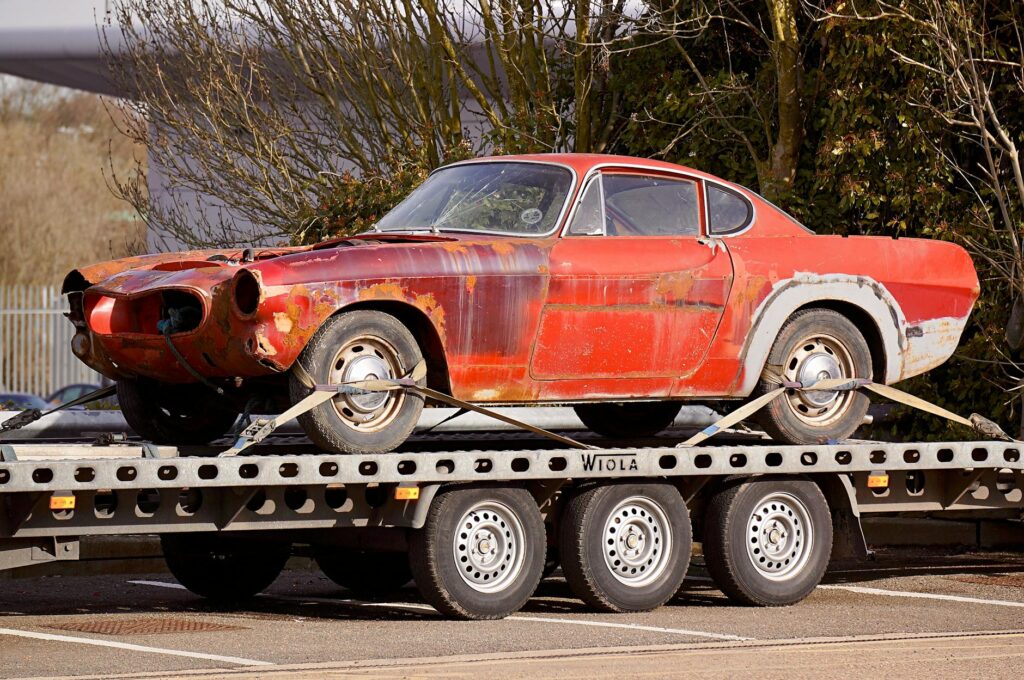
Why Choose Flatbed Towing?
Imagine this: your car suddenly refuses to start miles from home, or perhaps you’ve just purchased a classic car and need it transported safely to your garage. In such situations, the method of towing becomes really important. While traditional hook-and-chain towing has its place, flatbed towing emerges as the gold standard for vehicle transport, especially when safeguarding your investment is a top priority. It’s more than just a convenience. it’s often the most sensible and damage-preventing option available.
Last updated: April 23, 2026
So, what exactly is flatbed towing, and why should you consider it over other methods? At its core, flatbed towing involves a specialized tow truck equipped with a hydraulic flatbed. This entire platform can be tilted and lowered to the ground, allowing vehicles to be driven or winched onto it. Once secured, the bed is raised to road level, and the vehicle is transported, basically riding on top of the tow truck rather than being dragged or partially lifted.
The Direct Answer: what’s Flatbed Towing?
Flatbed towing uses a truck with a completely flat, loadable platform. Vehicles are driven or winched onto this platform, secured with straps, and then transported without their wheels touching the ground. This method is ideal for preventing wear and tear on drivetrains and avoiding damage to sensitive vehicle components.
The Superior Protection of Flatbed Towing
The primary advantage of flatbed towing lies in the complete protection it offers. Unlike other towing methods where your vehicle’s wheels, suspension, or drivetrain might be subjected to stress, a flatbed ensures your car rests entirely on the platform. Here’s especially critical for several reasons:
- Prevents Drivetrain Damage: For vehicles with all-wheel drive (AWD), four-wheel drive (4WD), or rear-wheel drive, towing with only the drive wheels lifted can cause significant damage to the transmission and differential. According to the National Highway Traffic Safety Administration (NHTSA) (2023), improper towing can lead to costly repairs. A flatbed eliminates this risk entirely by keeping all wheels off the ground.
- Protects Suspension and Tires: Constant jolting and stress on the suspension system can occur with other towing methods. Flatbeds provide a stable, even surface, minimizing wear on your vehicle’s suspension components and tires.
- Ideal for Low-Clearance Vehicles: Sports cars, luxury vehicles, and classic cars often have very low ground clearance. Attempting to tow these with a standard wrecker could result in scraping the undercarriage or bumpers. Flatbeds can be lowered almost to the ground, facilitating safe loading without causing cosmetic or mechanical damage.
- Secures the Vehicle Safely: Vehicles are typically secured to the flatbed using heavy-duty straps, chains, or wheel nets. This ensures maximum stability during transit, even on bumpy roads or during sudden stops.
When is Flatbed Towing the Best Option?
While flatbed towing is often the preferred method, certain situations make it not just recommended, but essential:
Specialty and Luxury Vehicles
If you own a high-value vehicle, such as a luxury sedan, sports car, classic car, or even a motorcycle, flatbed towing is non-negotiable. The risk of damage is simply too high with other methods. Companies like Le Mans, known for high-stakes automotive events, understand the importance of pristine transport for valuable vehicles.
All-Wheel Drive and Four-Wheel Drive Vehicles
As mentioned, AWD and 4WD systems are especially vulnerable. The complex nature of these drivetrains means that even short distances towed incorrectly can cause internal damage. For these vehicles, flatbed towing is the only safe way to transport them.
Accident Recovery
When a vehicle has been involved in an accident, its structural integrity might be compromised. It may not be safe to drive, and its alignment could be off. Flatbed towing provides a stable platform, minimizing further stress on the damaged frame or body during recovery and transport to a repair shop.
Motorcycles and Specialty Equipment
Motorcycles require careful handling. Flatbeds allow them to be securely strapped down, preventing the kind of jostling that can occur when a motorcycle is partially lifted. Similarly, ATVs, small construction equipment, or even damaged machinery can be transported efficiently on a flatbed.
Long-Distance Transport
For moves across states or long journeys, a flatbed offers the most secure and damage-free transport solution. Your vehicle remains stationary on the platform, reducing the wear and tear associated with extended road travel compared to being towed by a traditional wrecker.
Comparing Flatbed Towing to Other Methods
To truly appreciate the benefits of flatbed towing, it’s helpful to compare it with other common towing techniques:
| Towing Method | Description | Pros | Cons |
|---|---|---|---|
| Flatbed Towing | Vehicle loaded entirely onto a flat platform. | Maximum protection, no drivetrain stress, ideal for AWD/4WD, luxury cars, low clearance. | Can be slightly more expensive, requires more space for loading/unloading. |
| Wheel-Lift Towing (Dolly Towing) | Front or rear wheels lifted off the ground; other wheels roll. | Faster to hook up, less expensive than flatbed, suitable for front-wheel drive cars for short distances. | Can stress drivetrain on AWD/4WD, potential tire/suspension wear, not ideal for damaged vehicles or low-clearance cars. |
| Hook-and-Chain Towing (Sling Towing) | Metal hooks attached to vehicle frame; towed with wheels on the ground. | Least expensive, suitable for older vehicles with strong frames for very short distances. | High risk of frame damage, bumper damage, suspension stress, tire wear; generally not recommended for modern vehicles. |
Choosing the Right Flatbed Tow Truck
Not all flatbed tow trucks are created equal. For the best service, consider the following:
- Capacity: Ensure the truck’s weight capacity exceeds your vehicle’s weight. Reputable companies like AZ Hooks maintain a fleet with varying capacities, including heavy-duty towing options for larger vehicles like RVs or commercial trucks.
- Hydraulic System: A well-maintained hydraulic system ensures the bed tilts and lowers smoothly and safely, Key for loading delicate vehicles.
- Securement Gear: Look for companies that use high-quality straps, chains, and wheel chocks to ensure your vehicle is firmly secured. According to industry best practices discussed by the American Trucking Associations, proper securement is vital for safety.
- Experience of the Driver: An experienced driver knows how to position the truck, operate the hydraulics, and secure the vehicle properly.
Tips for a Smooth Flatbed Towing Experience
To make the process as efficient and stress-free as possible, keep these tips in mind:
- Be Prepared: Have your vehicle’s information ready (make, model, year, VIN) and know its approximate weight.
- Clear the Vehicle: Remove any personal belongings, especially heavy items, from the vehicle. This reduces weight and prevents items from shifting during transport.
- Communicate Clearly: Provide the towing company with accurate pick-up and drop-off addresses, contact numbers, and any specific instructions.
- Inspect Before and After: Note any pre-existing damage on your vehicle before it’s loaded. Inspect it again once it’s delivered. Reputable companies will often have a condition report form.
- Understand the Cost: Flatbed towing is typically priced based on distance, time of day (day vs. night rates), and the type of vehicle. Get a clear quote upfront. While it might cost slightly more than basic towing, the peace of mind and prevention of damage often make it a cost-effective choice in the long run. A study by AAA estimated towing costs can range from $75 to $150 for basic towing, with specialized services like flatbeds potentially adding 25-50% more.
Frequently Asked Questions
Is flatbed towing always necessary?
Not always, but it’s highly recommended for AWD/4WD vehicles, luxury or classic cars, motorcycles, and vehicles involved in accidents to prevent further damage.
Can a flatbed tow truck damage my car?
When operated by experienced professionals using proper equipment, the risk of damage with flatbed towing is minimal compared to other methods. Issues usually arise from driver error or inadequate equipment.
How much does flatbed towing cost compared to other types?
Flatbed towing generally costs more than traditional hook-and-chain or wheel-lift towing due to the specialized equipment and additional time required to load and secure the vehicle.
What’s the difference between a flatbed tow truck and a rollback?
The terms are often used interchangeably. A ‘rollback’ is a type of flatbed tow truck where the entire bed ‘rolls back’ or tilts down and slides backward to create a ramp for loading.
How long does it take to load a car onto a flatbed?
Loading typically takes about 10-15 minutes, depending on the complexity of the situation and the driver’s experience. It’s a deliberate process designed for safety.
The Verdict: Invest in Protection
When your vehicle requires towing, the choice of method can have significant implications for its condition and your wallet. Flatbed towing stands out as the safest, most protective option available for a lots of vehicles. While it might present a slightly higher upfront cost compared to less sophisticated methods, the prevention of costly drivetrain, suspension, or cosmetic damage makes it a wise investment. For residents in Arizona and beyond, opting for flatbed tow truck benefits means prioritizing the long-term health and value of your vehicle. Always choose a reputable provider, like AZ Hooks — that employs trained professionals and uses well-maintained equipment for a worry-free transport experience.