
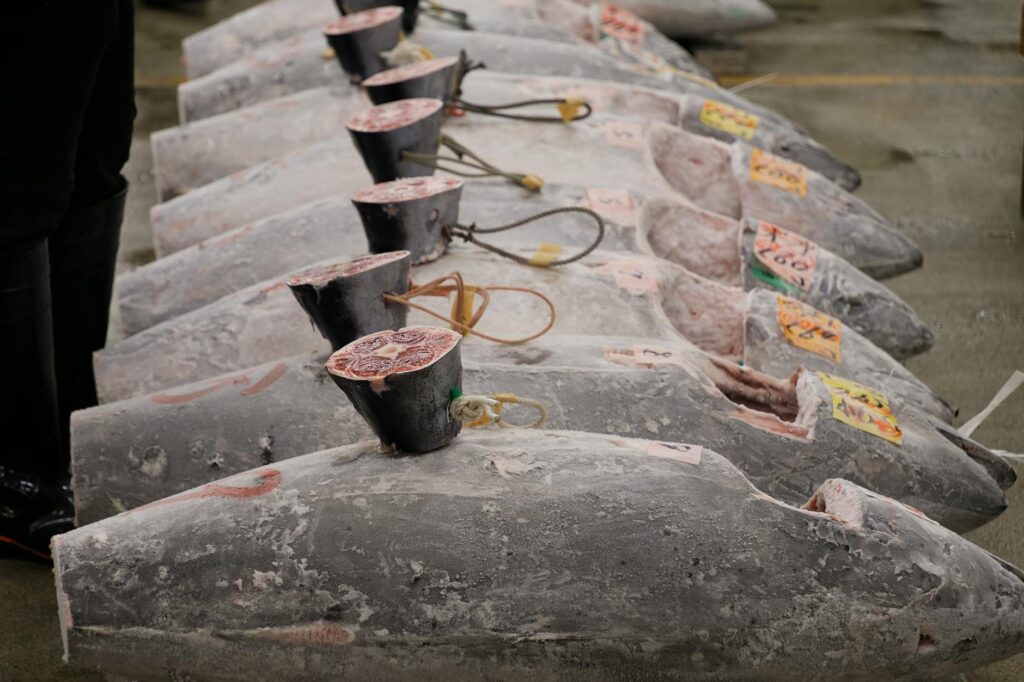
Know Your Tuna: More Than Just a Fish Can
Around 8.1 million metric tons of tuna were caught globally in 2022, according to the Food and Agriculture Organization of the United Nations (FAO). That’s a lot of fish! But not all tuna are created equal. For anglers, knowing the types of tuna can mean the difference between a thrilling fight and a missed opportunity. For home cooks, it dictates how you prepare and enjoy your catch. This guide dives deep into the most common types of tuna you’ll encounter, offering practical tips for identifying them, catching them, and savoring them.
Last updated: April 22, 2026
What’s the Big Deal About Different Tuna Types?
The primary distinctions between tuna species lie in their size, fat content, flesh color, and flavor profile. These characteristics heavily influence their culinary value and the techniques used to catch them. For instance, the prized bluefin tuna, with its high fat content, is ideal for high-end sushi and sashimi, while smaller, leaner species are often destined for canning.
The Mighty Bluefin: The King of Tuna
When you think of premium tuna, you’re likely picturing the bluefin. There are actually three species of bluefin: Atlantic, Pacific, and Southern. These are the largest and longest-lived tuna species, capable of reaching incredible sizes—some individuals have been documented over 1,500 pounds! According to the National Oceanic and Atmospheric Administration (NOAA), Atlantic bluefin tuna can live for up to 40 years.
Catching Bluefin: A Test of Skill and Strength
Hooking a bluefin is an angler’s dream. They are powerful, fast, and put up an immense fight. Successfully landing one requires heavy-duty tackle, often specialized rods and reels designed for big game fishing. Patience is key; bluefin often cruise in schools and can be found feeding on smaller fish and squid. Techniques vary, but trolling with large lures or live bait can be effective. Due to their high value and conservation concerns, strict regulations are often in place for bluefin fishing, so always check local and federal guidelines before heading out.
Bluefin on the Plate
Bluefin tuna is renowned for its rich, buttery texture and deep red color, especially in the fattier cuts like toro. It’s the star of high-quality sushi and sashimi. Because of its fat content, it also holds up well to searing, making it excellent for grilled or pan-seared dishes. However, its high market value means it’s often expensive.
Albacore Tuna: The ‘White Tuna’
Albacore tuna are medium-sized tuna, typically weighing between 20 and 100 pounds. They are easily distinguished by their exceptionally long pectoral fins—hence the nickname “longfin tuna.” Their flesh is a pale pink to white, making them the “white meat” tuna often found in canned products. Albacore have a milder, less oily flavor compared to bluefin, which many people prefer for everyday consumption.
Fishing for Albacore
Albacore are popular sportfish, particularly off the West Coast of the United States. They tend to school in cooler, offshore waters. Anglers often target them by trolling with feathered jigs or casting small, shiny lures. The fight is spirited, though generally not as intense as with bluefin. Many fisheries have implemented sustainability measures; for example, the Albacore Tuna Fishery Management Program works to ensure responsible management.
Culinary Uses for Albacore
Canned albacore is a staple for many due to its delicate flavor and firm texture. It’s great in tuna salads, sandwiches, and casseroles. Fresh albacore steaks are also delicious grilled, baked, or pan-seared. They pair well with lighter sauces and marinades.
Yellowfin Tuna: The ‘Ahi’ of Hawaii
Yellowfin tuna, often called “Ahi” in Hawaii, are large tuna that can reach weights of over 400 pounds. They are characterized by their vibrant yellow dorsal and anal fins, and a distinct yellow stripe along their sides. Their flesh ranges from bright red to deep pink, with a firmer texture and a more strong flavor than albacore.
Catching Yellowfin
Yellowfin are found in tropical and subtropical waters worldwide. They are fast swimmers and aggressive feeders, making them a challenging and rewarding catch. Anglers often target them using trolling lures, live baits like bonito or mackerel, and chumming. Because they often swim deeper, specialized techniques might be needed to reach them. The International Commission for the Conservation of Atlantic Tunas (ICCAT) monitors yellowfin populations to ensure sustainable fishing practices.
Yellowfin in the Kitchen
Yellowfin is highly prized for its rich flavor and beautiful color. It’s excellent for sushi and sashimi, where its firm texture shines. It also grills beautifully, offering a satisfying, meaty bite. Many chefs recommend searing it rare to medium-rare to preserve its moisture and flavor.
Skipjack Tuna: The Canned Tuna Champion
Skipjack tuna are the most abundant tuna species, making up a significant portion of the global tuna catch. They are smaller than bluefin, albacore, or yellowfin, typically weighing less than 30 pounds. Skipjacks have darker flesh and a stronger, more pronounced flavor compared to other species. This strong taste is why they are the workhorse of the canned tuna industry.
Angling for Skipjack
Skipjack are widespread and relatively easy to catch compared to their larger cousins. They school in large numbers and are often found near the surface. Anglers can catch them using smaller lures, feather jigs, or even simple bait rigs. They provide a fun, fast-paced fishing experience, especially for beginners.
Skipjack’s Place on Your Plate
While skipjack’s stronger flavor isn’t always preferred for fresh steaks, it’s perfect for canning. Most of the canned tuna you buy is skipjack. It’s also used in tuna steaks and is a common ingredient in tuna patties and melt sandwiches. Its affordability and availability make it a go-to for everyday meals.
Other Notable Tuna Species
While the above are the most common, a few other types of tuna deserve mention:
- Bigeye Tuna: Similar to yellowfin but with larger eyes and a higher fat content, making it excellent for sushi.
- Tongol Tuna (often mislabeled as ‘Light Tuna’): A smaller species with milder flavor, often used in canned products.
- Dogtooth Tuna: A less common species, not a true tuna but a member of the mackerel family, known for its unique teeth and firm, white flesh.
Practical Tips for Tuna Enthusiasts
Identifying Tuna Species
A quick guide to help you tell them apart:
- Size: Bluefin are giants; skipjack are the smallest.
- Pectoral Fins: Albacore have very long fins.
- Color: Yellowfin have yellow fins and stripes; bluefin are darker, often with silver bellies.
- Flesh Color: Albacore is white/pale pink; yellowfin and bluefin are red/dark pink.
Sustainable Seafood Choices
The health of tuna populations varies by species and region. When buying tuna, look for sustainability certifications like the Marine Stewardship Council (MSC) blue label. According to the World Wildlife Fund (WWF), choosing sustainably caught seafood helps protect ocean ecosystems.
Storing and Handling Your Catch
Proper handling is crucial. If you’re lucky enough to catch your own tuna, bleed the fish immediately to preserve flesh quality. Keep it chilled in a cooler with plenty of ice. For fresh tuna steaks, aim to consume them within 1-2 days or freeze them properly. Canned tuna, of course, has a much longer shelf life.
Frequently Asked Questions
What is the best type of tuna for sushi?
The most prized tuna for sushi and sashimi is bluefin tuna, especially the fatty belly cuts known as toro. Yellowfin tuna is also a popular and excellent choice for sushi due to its rich flavor and firm texture.
Is canned tuna good for you?
Yes, canned tuna, especially skipjack and albacore, is a good source of lean protein, omega-3 fatty acids, and vitamin D. However, some types may contain higher levels of mercury, so moderation is advised, particularly for pregnant women and children.
How can I tell if tuna is fresh?
Fresh tuna steaks should have a vibrant, fresh color (red for yellowfin/bluefin, pink for albacore), a firm texture, and a clean, oceanic smell. Avoid tuna that looks dull, bruised, or has a strong ‘fishy’ odor.
Which tuna is the largest?
Bluefin tuna are the largest tuna species, with Atlantic bluefin capable of reaching weights exceeding 1,500 pounds and lengths of over 10 feet. They are truly giants of the ocean.
Are all types of tuna fatty?
No, fat content varies significantly. Bluefin and bigeye tuna are known for their high fat content, especially in the belly sections. Albacore is moderately fatty, while skipjack is leaner with a more pronounced flavor.
Ready to Reel in Your Next Tuna Adventure
Whether you’re planning a fishing trip or selecting tuna at the market, understanding the different types of tuna will enhance your experience. From the powerful bluefin to the versatile albacore and the abundant skipjack, each species offers something unique. By knowing their characteristics and how to identify them, you can make informed choices, enjoy better meals, and support sustainable fishing practices. So, get out there, learn more, and savor the incredible world of tuna!