The Unseen Danger: When Apex Predators Strike
A crocodile attack is a primal fear realized, a stark reminder of nature’s raw power and the precarious balance between human activity and the wild. Recent events, from the shores of Kenya’s Lake Turkana to the rivers of Mexico, highlight the persistent threat these ancient reptiles pose to human life. These aren’t isolated incidents. they’re critical warnings about the increasing frequency of dangerous encounters, often driven by habitat changes and human encroachment. dynamics of a crocodile attack means delving into the behavior of these formidable creatures, the environmental factors that influence their aggression, and the devastating consequences for those who fall victim.
Last updated: April 20, 2026
The threat of a crocodile attack is often underestimated, especially by those unfamiliar with the territories these reptiles inhabit. However, for communities living along waterways and for travelers venturing into their domains, the danger is a tangible, ever-present reality. From the terrifying accounts of survival to the tragic loss of life, each incident offers Key insights into how and why these encounters occur, and what can be done to mitigate the risks.
what’s a Crocodile Attack?
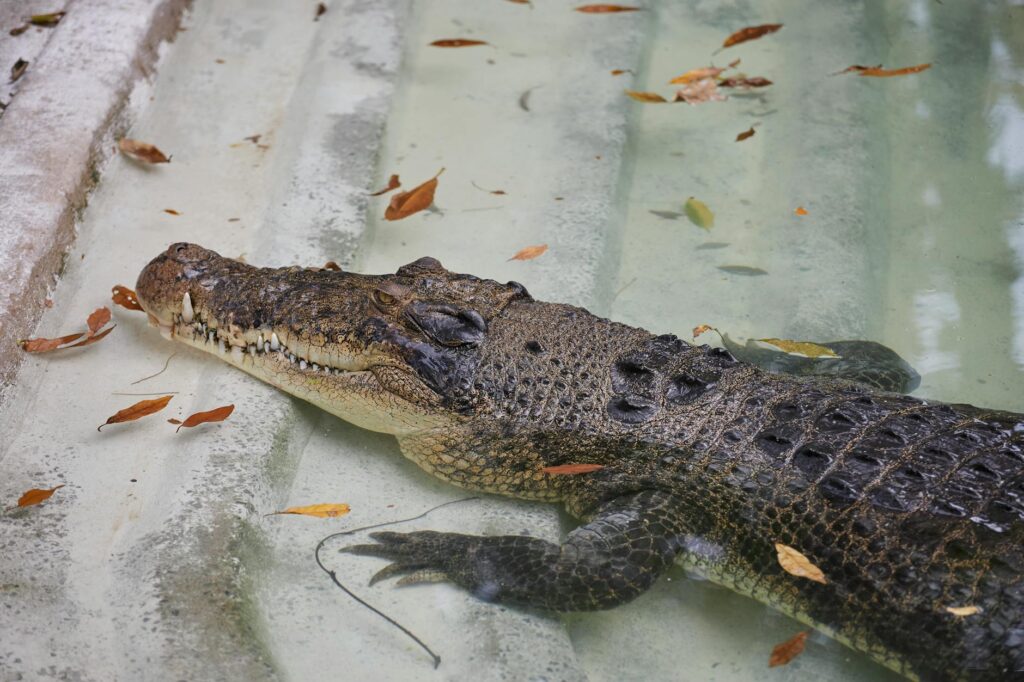
A crocodile attack occurs when a crocodile, driven by instinct, territoriality, hunger, or surprise, initiates an aggressive interaction with a human. These attacks can range from a swift, predatory strike to a defensive lashing out. The outcome is often devastating, with victims frequently suffering severe injuries, dismemberment, or death. The sheer power and predatory adaptations of crocodiles — their powerful jaws, sharp teeth, and ambush hunting techniques — make them incredibly dangerous adversaries.
Recent Incidents Paint a Grim Picture
The past year has seen a disturbing number of high-profile crocodile attacks, bringing the dangers these reptiles pose into sharp focus. On the banks of Kenya’s rising Lake Turkana, residents live with the constant threat of these powerful predators. According to The Guardian (2026), lives and limbs have been lost, creating an atmosphere where ‘death is certain’ for those who venture too close to the water’s edge. The rising water levels in Lake Turkana, a phenomenon linked to environmental changes, are pushing crocodiles into closer proximity with human settlements and livelihoods.
Further afield, in Mexico, several harrowing encounters have been reported. A WA man recounted a terrifying crocodile attack during a scuba diving trip, highlighting the unpredictable nature of these encounters even in seemingly controlled environments. Another incident involved a 72-year-old man who survived a similar attack while scuba diving, managing to fight for his arm after the encounter. These accounts, detailed by sources like Tri-City Herald and FOX 13 Seattle, emphasize that no age group is immune and that even experienced individuals can fall victim.
In a especially tragic event, a 13-year-old boy lost his life after being dragged into a river by a crocodile while playing soccer with friends. This incident, reported by People.com (2026), works as a stark reminder of how quickly a moment of recreation can turn into a fatal encounter, especially in areas where human and reptile habitats overlap.
The danger isn’t confined to specific regions. A US doctor was killed by a massive crocodile while his wife watched in horror, an event that highlights the immense predatory capabilities of these animals and the devastating emotional toll on families. This incident, covered by AOL.com (2026), illustrates the sudden, brutal nature of such attacks.
Understanding Crocodile Behavior and Attack Triggers
Crocodiles are opportunistic predators, and their behavior is largely dictated by instinct and environmental cues. Several factors can trigger an aggressive response, leading to a crocodile attack:
- Hunger and Predation: Crocodiles are driven by a need to feed. Humans, especially those who are unaware or vulnerable, can be mistaken for prey, especially in low light conditions or murky water.
- Territoriality: Male crocodiles, especially during mating season, can be highly territorial and may attack perceived intruders to defend their space.
- Surprise and Defense: If a crocodile is surprised or feels threatened, it may react aggressively to defend itself. You can happen if someone accidentally stumbles upon a basking crocodile or disturbs its nesting site.
- Habitualization: In areas where crocodiles are accustomed to humans feeding them or discarding waste, they can lose their natural fear and begin to associate humans with food sources, increasing the risk of attacks. This learned behavior is a significant concern in many populated areas near crocodile habitats.
- Environmental Factors: Changes in water levels, food scarcity, or increased human presence in their habitat can force crocodiles to seek new territories or food sources, leading to more frequent encounters. The rising waters of Lake Turkana, for instance, are cited as a reason for increased conflict.
According to wildlife behaviorists, crocodiles possess an incredible ability to remain submerged and motionless, making them masters of ambush. Their strike is lightning-fast, often beginning with a powerful lunge from the water to drag their victim away. A common tactic is the ‘death roll,’ where a crocodile spins rapidly to dismember prey or to subdue larger animals. This maneuver is so forceful it has been described by survivors as being ‘shaken like a dog with a rag toy,’ as one fitness trainer from Tri-Cities recounted.
 ▶
▶
Australian MP Bob Katter Segues from Gay Marriage to Croc Attacks
Survival: Tales of Resilience Against All Odds
The accounts of crocodile attack survivors are testaments to human endurance and the will to live. One 72-year-old man from WA — who survived a crocodile attack during a scuba diving trip in Mexico, managed to fight for his life and was eventually rescued. His ordeal, as reported by KIRO 7 News Seattle (2026), highlights the critical importance of quick thinking and sheer will in such desperate situations.
Another survivor, a fitness trainer from Richland, described his encounter with a 12-foot crocodile in Mexico as ‘the most pain I’ve ever experienced.’ He fought desperately to save his arm, a struggle that highlights the brutal efficiency of a crocodile’s bite and the severity of the injuries sustained. These harrowing experiences, often involving significant physical and psychological trauma, require extensive recovery and rehabilitation.
Survival often hinges on immediate action and crocodile’s likely behavior. Experts advise fighting back vigorously, targeting sensitive areas like the eyes and snout. However, the sheer power of a crocodile means that escape is far from guaranteed. The emotional scars from witnessing such an attack, as in the case of the US doctor’s wife, can be as profound as the physical injuries.
The Role of Habitat and Environmental Change
The increasing frequency of crocodile attacks in certain regions is often linked to environmental changes and human encroachment into their natural habitats. In Kenya, the rising waters of Lake Turkana have been a significant factor. According to The Guardian (2026), this environmental shift is forcing crocodiles into closer contact with communities that rely on the lake for their livelihood, leading to more frequent and dangerous encounters.
Similarly, in regions like Mexico — where tourism and development expand, human activity encroaches upon crocodile territories. You can disrupt breeding grounds, feeding patterns, and territorial boundaries. When crocodiles are deprived of their natural resources or feel their space is threatened, they may become more aggressive or venture into areas where human interaction is unavoidable. This dynamic is a critical concern for wildlife management agencies worldwide.
The interconnectedness of ecosystems means that changes in one area can have ripple effects. For instance, the availability of natural prey for crocodiles can influence their hunting behavior. A decline in fish stocks or other prey animals might push crocodiles to seek alternative food sources, including those found in human environments. Understanding these ecological pressures is key to developing effective conservation and safety strategies.
Preventing Crocodile Encounters: Safety First
Given the inherent danger, prevention is really important especially at dawn and dusk when crocodiles are most active.
When Traveling in Crocodile Habitats
- Travel with a Guide: When exploring areas known for crocodiles, hire experienced local guides who understand the terrain and animal behavior.
- Be Aware of Your Surroundings: Always remain vigilant. Look for signs of crocodile activity, such as tracks, droppings, or basking individuals.
- Secure Campsites: Set up camp well away from the water’s edge and ensure food is stored securely.
- Report Sightings: Inform local authorities or wildlife management if you observe unusual crocodile behavior or sightings in populated areas.
The U.S. Centers for Disease Control and Prevention (CDC) provides general guidelines for avoiding wildlife encounters, emphasizing situational awareness and respecting animal habitats. While specific crocodile safety protocols may vary by region, the core principle of minimizing interaction and respecting their space remains universal.
What to Do if You Encounter a Crocodile
If you find yourself unexpectedly close to a crocodile, remaining calm is difficult but Key. Your immediate actions can influence the outcome:
- don’t Provoke: don’t throw objects, taunt, or attempt to interact with the crocodile in any way.
- Slowly Back Away: If the crocodile isn’t actively aggressive, slowly and calmly retreat. Avoid sudden movements or loud noises that might startle it.
- If Attacked, Fight Back: If a crocodile attacks, fight back with all your might. Focus your efforts on its sensitive areas, especially the eyes and the snout. This isn’t the time for passive resistance. The survival stories demonstrate that determined resistance can sometimes deter an attack.
- Seek Immediate Medical Attention: If you’re injured, get to medical help as quickly as possible. Crocodile bites are prone to infection due to the bacteria in their mouths.
specific species of crocodile in a region is also beneficial. For example, the Nile crocodile (Crocodylus niloticus) is known for its aggressive nature and is responsible for numerous attacks in Africa, while the American saltwater crocodile (Crocodylus acutus) is also formidable. Knowing the characteristics of the local apex predator can inform safety precautions.
Frequently Asked Questions
Are crocodiles more dangerous than alligators?
Generally, crocodiles are considered more aggressive and dangerous to humans than alligators. Crocodiles tend to be more territorial and are more likely to perceive humans as a threat or prey, leading to a higher incidence of attacks. Alligators, while still dangerous, are often more timid and less likely to initiate an attack unless provoked or cornered.
How far can a crocodile strike?
A crocodile’s strike range is typically limited to the immediate vicinity of the water’s edge or its immediate ambush point. They can lunge with surprising speed and cover a short distance, often just a few feet, to grab prey. However, their power lies in their explosive initial burst and their ability to drag victims into the water.
what’s the most dangerous crocodile species?
The Nile crocodile (Crocodylus niloticus) and the Saltwater crocodile (Crocodylus porosus) are widely considered the most dangerous crocodile species to humans. Both are large, powerful, and known for their aggressive predatory behavior and territoriality.
Why do crocodiles attack humans?
Crocodiles attack humans primarily due to mistaken identity (mistaking humans for prey), territorial defense, or defensive aggression when surprised or threatened. Habituation — where crocodiles associate humans with food, also increases attack risk.
What should I do if I see a crocodile on land?
If you see a crocodile on land, maintain a safe distance and don’t approach it. Crocodiles can move surprisingly fast over short distances. Slowly back away from its path and avoid startling it. Report the sighting to local wildlife authorities if it’s in an unusual or populated area.
Conclusion: Respect and Vigilance are Key
The increasing reports of crocodile attacks serve as a powerful reminder that we share our planet with formidable wildlife. While the details of each incident are unique, the underlying causes often relate to habitat changes, human encroachment, and a failure to respect the natural boundaries between human life and that of these ancient predators. The harrowing stories from Lake Turkana, Mexico, and other regions aren’t mere news items. they’re Key lessons in coexistence. By understanding crocodile behavior, adhering to strict safety protocols, and building a deep respect for their environment, we can reduce the risk of these devastating encounters. Vigilance, especially in known crocodile territories, isn’t an option—it’s a necessity for survival.
Editorial Note: This article was researched and written by the AZ Hooks editorial team. We fact-check our content and update it regularly. For questions or corrections, contact us.