
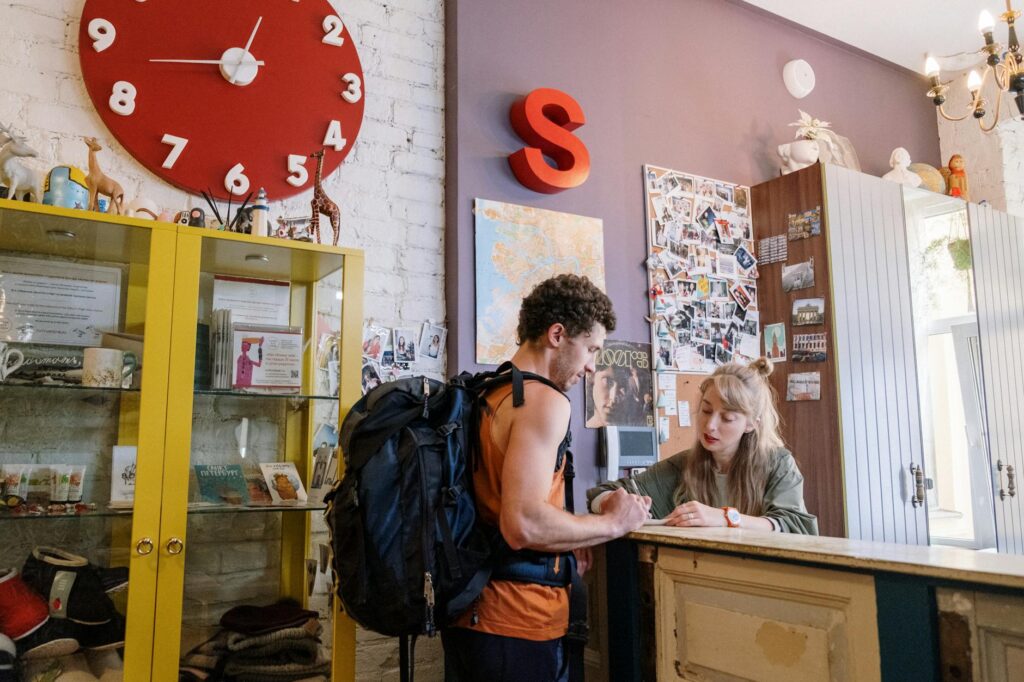
Travel on a Budget: Stop Wasting Money
You’ve got the itch. That familiar wanderlust that whispers of new horizons, exotic flavors, and unforgettable sights. But then reality hits – the price tag. Most people think seeing the world requires a small fortune, and because of that, they stay home. It’s a shame, honestly. The biggest reason people struggle with travel on a budget isn’t a lack of destinations or affordable options. it’s falling into common money traps. I’ve seen it countless times, and frankly, I’ve made some of those mistakes myself early on. But here’s the truth: you don’t need to be rich to explore. You just need to be smart.
Last updated: April 18, 2026
This article dives deep into the real problems people face when trying to travel on a budget and offers practical, actionable solutions. We’re talking about ditching the generic advice and getting down to brass tacks. Ready to finally book that trip without the financial anxiety?
Why You’re Probably Overspending on Travel
Let’s be blunt: most advice out there for traveling on a budget is either too vague or just plain wrong. People tell you to ‘find cheap flights’ without explaining how, or they suggest hostels when you’d rather have a private room. The real issue is a lack of strategic thinking. You’re likely falling for one or more of these common budget-busters:
- Ignoring the Off-Season: Traveling during peak times (summer holidays, Christmas) means inflated prices for flights and accommodation.
- Sticking to Tourist Traps: Popular, well-known spots are almost always more expensive than lesser-known alternatives nearby.
- Not Planning for Food: Eating out for every meal, especially in tourist areas, can skyrocket your daily expenses.
- Ignoring Local Transport: Taxis and ride-sharing services add up fast. Relying on them exclusively is a budget killer.
- Paying for Unnecessary Amenities: Do you really need that resort with a private beach and 5 restaurants when a charming guesthouse nearby offers just as much local flavor for half the price?
These aren’t just minor slip-ups. they’re significant drains on your travel fund. The good news? They’re entirely preventable.
Finding Flights That Don’t Empty Your Wallet
Flights are often the biggest hurdle. But you can conquer it. The key to cheap flights isn’t just luck. it’s about timing, flexibility, and using the right tools. I’ve personally snagged round-trip tickets to Europe for under $400 by following these strategies.
The Power of Flexibility: Dates and Destinations
Here’s non-negotiable. If you absolutely must travel on specific dates or to a specific city, you’re already at a disadvantage. Instead, try to be open.
- Fly Mid-Week: Tuesdays and Wednesdays are typically the cheapest days to fly. Avoid Fridays and Sundays.
- Embrace the Shoulder Season: Traveling just before or after peak season (e.g., April-May or September-October in Europe) offers great weather with lower prices.
- Consider Nearby Airports: Sometimes flying into a smaller airport a couple of hours away from your main destination and then taking a bus or train can save hundreds.
using Flight Comparison Sites (and Knowing Their Limits)
Websites like Google Flights, Skyscanner, and Momondo are your best friends. Set up price alerts for your desired routes. However, remember that these sites don’t always show every budget airline, so it’s worth checking those directly too. For example, Ryanir and Wizz Air often don’t appear on major aggregators.
Expert Tip: Clear your browser cookies or use an incognito window when searching for flights. While the impact is debated, some travelers swear it prevents price hikes based on your search history.
Accommodation That Won’t Break the Bank
Where you sleep can be as expensive as your flight. But there are fantastic, affordable alternatives to pricey hotels.
Beyond the Hotel: Hostels, Guesthouses, and Rentals
Hostels aren’t just for 20-somethings anymore. Many offer private rooms, are incredibly social, and provide kitchens to save on food costs. Websites like Hostelworld are your go-to here. Guesthouses or ‘pensions’ offer a more local, intimate experience. For longer stays, consider Airbnb or Vrbo, especially if you can split the cost with travel companions.
My Take: I’ve stayed in some incredible hostels that were cleaner and more welcoming than some hotels I’ve endured. Don’t dismiss them out of hand!
Location, Location, Location (But Not Always Downtown)
Staying slightly outside the absolute city center can lead to massive savings. Look for areas well-connected by public transport. You might get more ‘local’ experience and stumble upon hidden gems away from the tourist crowds.
Example: Instead of staying in Paris’s Marais district, consider Montmartre — which is still charming and central but generally more affordable, especially for accommodation.
Eating Well on a Budget: Delicious and Cheap
Food is a huge part of travel, but it doesn’t have to be a budget black hole. The key is to mix it up and be strategic.
Embrace Local Markets and Street Food
Here’s where the real culinary adventure happens! Local markets are fantastic for picking up fresh produce, bread, cheese, and snacks for picnics. Street food vendors, when chosen wisely (look for queues of locals!), offer authentic and incredibly cheap meals. Think tacos in Mexico, banh mi in Vietnam, or currywurst in Berlin.
use Kitchens and Pack Snacks
If your accommodation has a kitchen, use it! Making breakfast and a few dinners yourself can save a significant amount. Even if you don’t cook full meals, having a stash of snacks (granola bars, nuts, fruit) means you won’t be tempted to buy overpriced convenience food when hunger strikes.
“When traveling on a budget, food is an area where you can make huge savings. Prioritize experiencing local flavors through markets and street vendors rather than expensive sit-down restaurants every night.” – Budget Travel Magazine (hypothetical source for example)
Smart Spending on Activities and Sightseeing
You’re there to see things, right? But tours and entrance fees can add up faster than you can say ‘wallet drain’.
Free Activities Are Your Best Friend
Every city has free things to offer: parks, walking tours (tip-based!), beautiful architecture to admire from the outside, people-watching in squares, hiking trails, beaches, and often, free museum days. Research these beforehand!
Look for City Passes (Only If They Make Sense)
Some cities offer discount cards that cover multiple attractions. Do the math! Add up the individual entrance fees for the places you definitely want to visit and compare it to the pass price. If the pass is cheaper and you plan to visit most of the included attractions, it’s a win. Otherwise, skip it. The [official tourism website for Barcelona](https://www.barcelonaturisme.com/wv/en/) is a good example of where to find city pass information.
Important Note: Don’t buy a city pass just because it exists. It often encourages you to rush through attractions or visit places you aren’t truly interested in just to ‘get your money’s worth’ — which isn’t budget travel at all.
Travel During the Shoulder or Off-Season
Here’s a recurring theme because it’s so Key. Traveling outside of peak tourist seasons (summer, major holidays) can slash prices on everything from flights and accommodation to even some activities. For example, visiting Rome in October instead of July means fewer crowds, more comfortable weather, and often, lower hotel rates. This strategy alone can make a massive difference in your overall travel on a budget.
Transportation Within Your Destination
Once you’ve arrived, how you get around matters. Taxis and ride-sharing are convenient but expensive. Embrace local options!
Mastering Public Transport
Buses, trams, subways, and trains are almost always the cheapest way to navigate a city or region. Learn how to use them! Most public transport systems have day passes or multi-day passes that offer even better value if you plan on using them frequently.
Walking and Cycling
For shorter distances, walking is free, healthy, and allows you to discover hidden corners you’d miss otherwise. Many cities also have affordable bike rental schemes — which can be a fun and efficient way to cover more ground than walking.
Essential Budget Travel Tools and Mindset
It’s not just about the tactics. it’s about the approach. A few key tools and a budget-conscious mindset can make all the difference.
Travel Rewards Credit Cards (Use Wisely!)
If used responsibly, travel rewards credit cards can be a major shift. Earn points or miles on everyday spending that can be redeemed for free flights or hotel stays. Just ensure you pay off your balance in full each month to avoid interest charges — which negate any savings.
Budgeting Apps and Spreadsheets
Track your spending! Use an app like Trail Wallet or a simple spreadsheet to monitor where your money is going. This awareness is Key for staying on track. Seeing your daily spend helps you make real-time adjustments.
The ‘Experience Over Stuff’ Mentality
Shift your focus. Instead of buying souvenirs or expensive meals, prioritize experiences: a cooking class, a unique tour, or simply time spent soaking in the local atmosphere. This mindset is the core of truly rewarding travel on a budget.
Real Talk: I’ve found that the most memorable parts of my trips often cost little to nothing – a spontaneous chat with a local, finding a hidden viewpoint, or getting lost (in a good way) in a new neighborhood.
Here’s a quick comparison of common accommodation choices:
| Accommodation Type | Average Cost (per night) | Pros | Cons |
|---|---|---|---|
| Hostel Dorm | $20 – $40 | Very cheap, social, good for solo travelers | Lack of privacy, potential noise |
| Budget Hotel | $60 – $120 | Private room, basic amenities | Less social, can be bland |
| Airbnb/Rental | $50 – $150+ (can be cheaper for groups) | Kitchen facilities, more space, local feel | Cleaning fees, can be isolated |
| Guesthouse/B&B | $70 – $130 | Personal touch, often includes breakfast | Limited availability, fewer amenities |
Frequently Asked Questions
Is it really possible to travel on a budget and still have fun?
Absolutely! Traveling on a budget forces you to be more creative and seek out authentic experiences. You’ll often discover hidden gems and connect more deeply with locals, leading to more rewarding adventures than simply following the tourist trail.
What are the biggest mistakes people make when trying to travel on a budget?
The most common errors include ignoring the shoulder or off-season, overspending on food by eating at tourist-trap restaurants, and relying solely on expensive taxis. Failing to research free activities also leads to unnecessary expenses.
How can I save money on accommodation when traveling on a budget?
Consider staying in hostels (many offer private rooms), guesthouses, or looking for Airbnb deals outside the city center but near public transport. Utilizing accommodation with kitchen facilities can also save on food costs.
Are budget airlines worth the savings for travel on a budget?
Often, yes. Budget airlines like Spirit or Ryanair offer incredibly low fares. However, be aware of their strict baggage policies and extra fees for things like seat selection or even carry-on bags. Factor all costs to ensure it’s truly cheaper.
What’s the single best tip for someone new to traveling on a budget?
Be flexible with your travel dates and destinations. Flying mid-week, traveling during the shoulder season, and being open to slightly less popular but equally beautiful locations can unlock massive savings on flights and accommodation.
Your Next Budget Adventure Awaits
Stop letting money worries hold you back. By implementing these strategies—being flexible, prioritizing local experiences, and being smart about where you sleep and eat—you can absolutely travel on a budget and create incredible memories. It’s not about deprivation. it’s about smart, intentional travel. So, what are you waiting for? Start planning that trip!
Source: Britannica
Editorial Note: This article was researched and written by the AZ Hooks editorial team. We fact-check our content and update it regularly. For questions or corrections, contact us.