
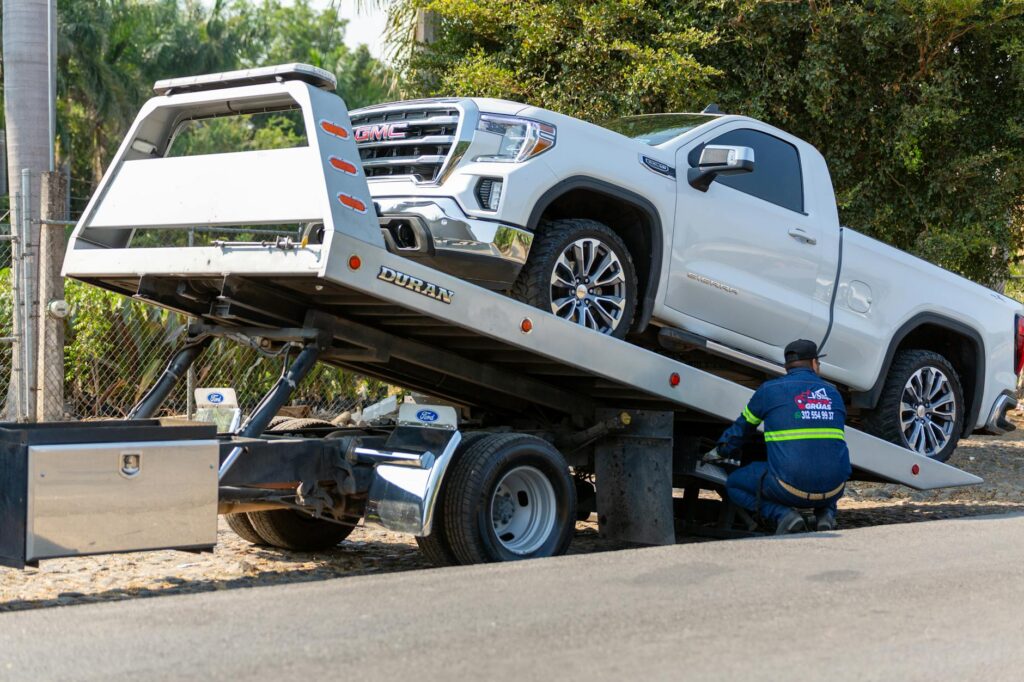
Roadside Assistance: Better Than You Think
Imagine this: it’s 2 AM, you’re on a dark, unfamiliar stretch of highway, and your car suddenly sputters to a halt. The engine is dead. Panic sets in. What’s your next move? For many drivers, the answer lies in Service Roadside Assistance, a safety net designed to get you back on the road or to a repair shop without undue stress.
Last updated: April 23, 2026
However, not all roadside assistance plans are created equal. Many drivers assume they’re all interchangeable, leading to overpaying for services they don’t need or, worse, finding themselves without adequate coverage when disaster strikes. This article aims to demystify the world of roadside assistance, offering practical advice and challenging common assumptions to ensure you’re truly covered.
What Exactly is Roadside Assistance?
At its core, roadside assistance is a service that provides help when your vehicle breaks down or you encounter an emergency on the road. This typically includes common issues like flat tires, dead batteries, running out of fuel, lockout situations, and minor mechanical failures or towing due to accidents. The goal is to provide prompt support, minimizing your inconvenience and ensuring your safety.
The primary question many drivers have is whether they need it at all. If you rarely drive, stick to well-trafficked routes, and have a newer, reliable vehicle, the perceived risk might seem low. However, as the AAA found in their 2023 data, they responded to over 34 million calls for help, demonstrating the widespread need for these services. Even the most dependable cars can experience unexpected issues.
Challenging the ‘One-Size-Fits-All’ Myth
One of the biggest misconceptions about roadside assistance is that it’s a commodity service with identical offerings across the board. This couldn’t be further from the truth. Plans vary in terms of what they cover, the number of service calls allowed per year, the geographic limitations, and the speed of response. For instance, a basic plan might cover only towing up to 5 miles, while a premium plan could offer unlimited towing to any facility within 100 miles.
Consider the difference between a national provider like AAA — which has a vast network of service providers, and a regional provider or one offered through your auto insurance or car manufacturer. Each has its own strengths and weaknesses. An insurer’s roadside assistance might be cheaper if bundled, but could have stricter limits on service calls. A car manufacturer’s program might offer specialized service for your specific model but could be limited to newer vehicles.
Understanding Different Types of Coverage
Roadside assistance typically comes in two main flavors: membership-based plans and on-demand services. Membership plans, like those offered by AAA or through credit cards like the American Express Platinum Card, require an annual fee. In return, you get a set number of service calls per year, often with complete coverage for common issues.
On-demand services, often accessed via mobile apps like Urgent.ly or Honk, allow you to pay only when you need assistance. You can be cost-effective for infrequent drivers. However, the per-incident cost can be higher than the amortized cost of a membership, and you might face surge pricing during peak demand. It’s Key to compare the annual cost of membership against the potential cost of several on-demand services to determine the best fit for your driving habits.
Key Services to Look For
- Towing: Essential for breakdowns and accidents. Check the mileage limits and whether it covers any facility or a specific network.
- Flat Tire Change: Ensure they will change your flat tire with your spare.
- Battery Jump Start: A common need, especially in colder climates.
- Fuel Delivery: Useful if you accidentally run out of gas. Typically, you’ll pay for the fuel itself, plus a service fee.
- Lockout Service: If you lock your keys in the car, this covers gaining entry.
- Winching/Extrication: If your vehicle is stuck in mud, snow, or a ditch, this service helps pull it out.
Some premium plans might also include trip interruption benefits (reimbursement for lodging or meals if you break down far from home) or minor mechanical adjustments on-site. Always read the fine print to understand exactly what’s and isn’t covered.
When Does Roadside Assistance Not Cover You?
It’s vital to understand the exclusions. Most plans won’t cover:
- Services required due to illegal activities or racing.
- Damage from natural disasters (though some policies may offer limited coverage).
- Vehicles used for commercial purposes (like delivery vans), unless specified.
- Maintenance or repair services, rather than emergency roadside assistance.
- Towing from an unsafe location.
Also, your car must be in a condition where the service provider can safely access it. If your vehicle is in a precarious or dangerous spot, they may be unable to assist until the area is secured. According to the National Highway Traffic Safety Administration (NHTSA) (2022), roadside safety, especially for those stranded on highways, is really important, and services often prioritize safe access.
Choosing the Right Plan for Your Needs
The best roadside assistance plan isn’t necessarily the cheapest or the one with the most features. It’s the one that aligns with your driving habits, vehicle type, and budget. Here’s a practical approach:
- Assess Your Driving: How many miles do you drive annually? Are you often on remote roads? Do you travel frequently for business or pleasure?
- Consider Your Vehicle: Do you drive an older car prone to breakdowns, or a new one with manufacturer-provided assistance?
- Evaluate Existing Coverage: Check your auto insurance policy, credit cards, and even your cell phone plan. Many offer some form of roadside assistance as a perk or add-on. For example, many credit cards provide complimentary roadside assistance — which can save you money.
- Compare Providers: Look at major players like AAA, as well as options from your insurance company (e.g., Geico, State Farm), and independent providers. Note coverage limits, cost, and customer reviews.
- Read the Fine Print: Pay close attention to the number of service calls allowed, towing distance limits, and any specific exclusions.
For instance, if you drive a long distance commute daily, a plan with strong towing benefits and a high mileage limit is Key. If you primarily drive in urban areas and your car is relatively new, a basic plan or an on-demand service might suffice. Don’t just assume your premium car insurance automatically includes complete roadside help. verify the specifics.
Tips to Maximize Your Roadside Assistance Experience
Once you have a plan, here are some tips to ensure a smooth experience:
- Keep Your Membership Card/App Handy: Store your membership details digitally or physically where you can easily access them.
- Know Your Location: When calling for service, be ready to provide your exact location, including highway mile markers, cross streets, or GPS coordinates.
- Describe the Problem Clearly: Provide as much detail as possible about the issue to help the technician prepare.
- Stay Safe While Waiting: If on a busy road, stay in your vehicle with doors locked, or move to a safe location away from traffic if possible. According to the U.S. Department of Transportation, visibility and safety are really important when waiting for assistance.
- Check the Service Provider’s Credentials: If you’re using an on-demand service, look at reviews and ratings for the dispatched technician.
Remember, roadside assistance is an emergency service. While providers strive for promptness, wait times can vary based on demand, weather, and your location. Patience and clear communication go a long way.
When to Consider ‘On-Demand’ vs. Membership
The decision between a membership and an on-demand service often boils down to usage patterns and cost-benefit analysis. If you drive less than 5,000 miles per year and primarily stick to familiar routes, paying per incident with services like Honk or Urgent.ly might be more economical. A typical tow might cost between $75-$150, a jump start $50-$100, and a lockout service $60-$120, according to industry averages. If you only anticipate needing service once every few years, this approach makes sense.
Conversely, frequent drivers, those who travel long distances, or individuals who want the peace of mind that comes with knowing help is always just a call away, will likely find a membership plan more valuable. An annual membership fee, often ranging from $50 to $150 for basic to premium plans, can cover multiple incidents, making the per-incident cost lower for regular users. For context, AAA’s Classic membership is $55 per year, covering common roadside needs.
Featured Snippet Answer
Service roadside assistance provides emergency help for vehicle breakdowns, including towing, flat tire changes, battery jump-starts, fuel delivery, and lockout services. It’s offered through annual memberships (like AAA) or on-demand apps, ensuring drivers aren’t stranded. Choosing the right plan depends on your driving habits and vehicle needs for optimal value and coverage.
Frequently Asked Questions
Is roadside assistance included with my car insurance?
Some auto insurance policies offer roadside assistance as an optional add-on or a standard feature, but coverage varies greatly. It’s essential to check your specific policy details with your insurer, such as Geico or Progressive, to confirm what services are included and what the limitations are.
Can roadside assistance help with a mechanical breakdown?
Yes, most roadside assistance plans cover towing for mechanical breakdowns. However, they typically won’t perform the actual repairs on-site beyond very minor fixes. The service is primarily for getting your vehicle to a repair shop.
How quickly will roadside assistance arrive?
Arrival times can vary depending on your location, the time of day, weather conditions, and the provider’s current call volume. While many aim for under an hour, wait times can sometimes extend to several hours, especially during peak demand or in remote areas.
Do I need to be a member of a specific club to get roadside assistance?
No, while clubs like AAA are well-known providers, roadside assistance is also available through auto insurance companies, credit card benefits, and independent on-demand service apps, offering flexibility beyond traditional club memberships.
What information will I need to provide when I call for help?
You’ll typically need to provide your membership number (if applicable), your exact vehicle location, a description of the problem, your vehicle’s make and model, and a contact phone number where you can be reached.
Conclusion
Service roadside assistance is more than just a tow truck waiting in the wings. it’s a critical component of responsible vehicle ownership. By nuances of different plans, being aware of common exclusions, and choosing coverage that genuinely fits your lifestyle, you can transform a potentially disastrous breakdown into a manageable inconvenience. Don’t wait until you’re stranded on the side of the road to figure out your options. Take the time now to evaluate your needs and secure the right roadside assistance plan. It’s an investment in your peace of mind and your safety on the road.
Related read: Towing Service Options: Which is Right for You?