Your Roof: A Key Home Investment
The average homeowner might not think about their roof daily, but it’s arguably one of the most significant investments in a property. It protects your family, belongings, and the very structure of your home from the elements. A properly maintained roof can last for decades, but understanding its lifecycle, potential issues, and replacement costs is essential for long-term financial planning. Consider this: the U.S. Census Bureau’s Survey of Construction (SOC) reported in 2022 that the average cost to build a new single-family home was $526,000, with the roof being a substantial component of that figure.
Last updated: April 23, 2026
proactive planning is far more cost-effective than reactive repairs. Many homeowners face unexpected expenses due to neglecting simple maintenance or ignoring early warning signs of damage. This guide aims to provide a clear outlook on your roofing investment over the next ten years, covering material lifespans, cost considerations, and essential maintenance practices.
what’s the Expected Lifespan of Different Roofing Materials?
The lifespan of your roof is intrinsically linked to the materials used. Different materials offer varying durability and resistance to weather. Understanding these differences can help you choose the best option for your climate and budget, ensuring a longer-lasting investment.
Generally, the type of material dictates how long you can expect your roof to perform effectively. According to the Federal Emergency Management Agency (FEMA) (2020), the performance of roofing materials varies significantly. Here’s a breakdown:
- Asphalt Shingles: The most common roofing material in North America, asphalt shingles typically last between 15 to 30 years. Architectural or dimensional shingles tend to have a longer lifespan than traditional 3-tab shingles. Factors like extreme heat in places like Phoenix, Arizona, can shorten this lifespan if proper ventilation isn’t maintained.
- Metal Roofing: Known for its durability and longevity, metal roofs (such as standing seam steel or aluminum) can last from 40 to 70 years, sometimes even longer. they’re resistant to fire, wind, and rot.
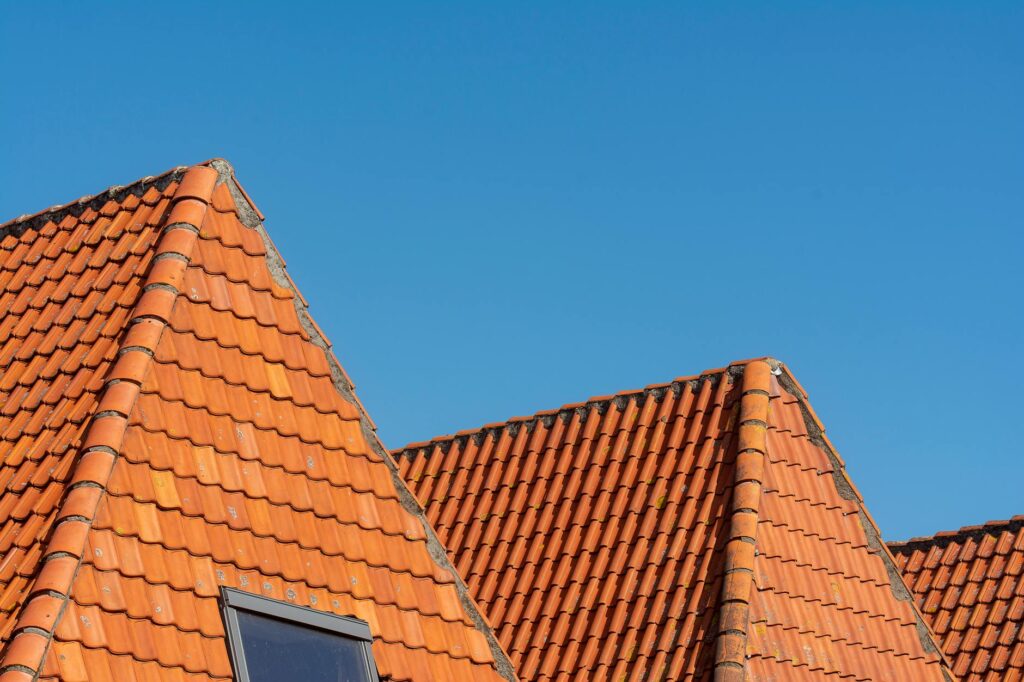
- Tile Roofing (Clay or Concrete): These popular options in warmer climates can last 50 years or more. they’re heavy, require a sturdy roof structure, and are susceptible to breakage from impact.
- Wood Shakes and Shingles: While offering a natural aesthetic, wood roofs typically last 20 to 30 years and require significant maintenance to prevent rot, moss, and insect damage.
- Slate Roofing: The most durable and expensive option, slate can last 75 to 100 years or even longer. It’s incredibly heavy and requires specialized installation.
The Importance of Regular Roof Inspections
Consistent roof inspections are non-negotiable for maximizing your investment. they’re the first line of defense against minor issues becoming major problems. Think of them like your annual physical – catching something small early saves a lot of trouble later.
Industry best practices, often cited by organizations like the National Roofing Contractors Association (NRCA), recommend at least one professional inspection per year, typically in the spring or fall. Also, an inspection after any severe weather event (like a hailstorm or hurricane) is Key. A professional can identify damaged shingles, loose flashing, clogged gutters, and potential signs of interior water damage that you might miss.
During an inspection, a qualified roofer will examine:
- Shingle integrity (cracking, curling, missing pieces)
- Flashing around chimneys, vents, and skylights
- The condition of the underlayment
- Attic ventilation and insulation
- Gutter and downspout systems for blockages or damage
Understanding Roof Replacement Cost Factors
The cost to replace a roof can vary dramatically. Here’s a significant consideration for homeowners, especially when planning for future expenses. Several key factors influence the final price tag.
Based on data from roofing industry reports, the average roof replacement cost for a typical 2,000-square-foot home using standard asphalt shingles can range from $8,000 to $15,000. However, this figure is highly variable. Here’s why:
- Material Choice: As noted earlier, metal, tile, and slate roofs are considerably more expensive upfront than asphalt shingles. A metal roof replacement might cost between $10,000 and $20,000, while a tile roof could easily exceed $20,000.
- Labor Costs: This is often the largest portion of the expense. Labor rates vary by region, the complexity of the roof (steep slopes, multiple dormers), and the contractor’s experience. According to the Bureau of Labor Statistics (2023), the median annual wage for roofers was $49,460, but this doesn’t include overhead for companies.
- Roof Size and Complexity: Larger homes and roofs with complex designs (many angles, valleys, dormers) require more materials and labor, increasing the cost.
- Underlayment and Ventilation: Often, replacing the old underlayment and improving attic ventilation (adding soffit vents or ridge vents) is necessary for optimal performance and longevity. These add to the total cost.
- Permits and Disposal Fees: Local building permits and the cost of disposing of old roofing materials can add several hundred dollars to the project.
Mitigating Storm Damage and Weather Impacts
Weather, especially in regions prone to severe storms, is a primary driver of premature roof failure. Understanding how to mitigate damage can save you significant money and hassle.
Strong winds can lift shingles, allowing water to penetrate the underlayment and decking. Hail can crack or puncture shingles, creating immediate leak points. According to the Insurance Information Institute (2023), homeowners insurance claims for weather-related damage are substantial, with wind and hail damage being frequent culprits. It’s vital to have adequate homeowners insurance coverage that In particular addresses storm damage to your roof.
Practical steps to mitigate storm damage include:
- Regularly trim overhanging tree branches: Falling branches can cause severe damage.
- Ensure proper roof slope and drainage: This helps water run off efficiently.
- Maintain gutters and downspouts: Clogged gutters can lead to ice dams in colder climates or water pooling that damages fascia and soffits. Installing gutter guards can be a wise investment.
- Check for loose shingles after storms: Promptly replace any damaged or missing shingles.
The Role of Attic Ventilation and Insulation
Often overlooked, attic ventilation and insulation play a Key role in the health of your entire roofing system, extending its life and improving your home’s energy efficiency.
Proper attic ventilation (typically a balance of soffit vents for intake and ridge vents for exhaust) prevents moisture buildup. Without adequate airflow, moisture from within the home can condense on the underside of the roof decking, leading to mold, rot, and decreased insulation effectiveness. Here’s especially important in humid climates or regions with significant temperature fluctuations. The U.S. Department of Energy recommends specific R-values for insulation based on climate zones — which indirectly impacts how well your roof performs under varying temperatures.
Poorly ventilated attics can cause shingles to overheat in the summer, accelerating their deterioration. In winter, they can contribute to ice dams — which can damage gutters, fascia, and even the roof structure itself. Ensuring your attic is well-ventilated and properly insulated is a cost-effective way to protect your roofing investment.
When is it Time for a Roof Replacement?
Deciding when to replace your roof involves looking at several indicators, not just age. While a 20-year-old asphalt shingle roof might be nearing the end of its typical lifespan, other factors could necessitate an earlier replacement.
Key signs that indicate a roof replacement might be necessary include:
- Age: If your roof is approaching or has exceeded its expected lifespan (e.g., 15-25 years for asphalt shingles).
- Visible Damage: Missing, cracked, curling, or buckling shingles are clear signs of wear.
- Granule Loss: Excessive shingle granules in your gutters or downspouts indicate the shingles are deteriorating.
- Moss or Algae Growth: While often cosmetic, extensive growth can sometimes indicate moisture retention issues that degrade the roofing material over time.
- Sagging Areas: Any visible sagging in the roofline suggests structural problems or water damage to the decking.
- Interior Water Damage: Stains on ceilings or walls, or water leaks into the attic, are serious indicators that the roof is compromised.
- Energy Bills: A sudden spike in heating or cooling costs could be due to poor roof insulation or ventilation, or heat escaping through roof damage.
Frequently Asked Questions
How often should I clean my roof?
You should clean your roof at least once a year, or more often if you notice significant moss, algae, or debris accumulation. Focus on removing leaves and branches, and consider professional cleaning for stubborn growth to avoid damaging the shingles.
Can I repair my roof myself?
Minor repairs, like replacing a few loose shingles in accessible areas, might be DIY-friendly for experienced individuals. However, working on a roof is dangerous, and complex repairs or full replacements should always be handled by a qualified, insured roofing contractor to ensure safety and proper installation.
What’s the difference between a roofer and a general contractor?
A roofer specializes exclusively in roofing systems, possessing in-depth knowledge of materials, installation techniques, and repair methods. A general contractor oversees entire construction or renovation projects — which may include roofing as one component, but their expertise isn’t solely focused on roofing.
How does climate affect roofing lifespan?
Extreme temperatures, high humidity, heavy rainfall, and frequent freeze-thaw cycles can shorten a roof’s lifespan. For example, intense UV exposure and heat in desert climates like Arizona can degrade asphalt shingles faster than in milder climates.
Is a metal roof worth the higher upfront cost?
For many homeowners, a metal roof is a worthwhile investment due to its exceptional longevity (often 50+ years), durability, energy efficiency, and low maintenance requirements. While the initial cost is higher than asphalt shingles, the extended lifespan and reduced repair needs can make it more cost-effective over time.
Planning for Your Roof’s Future
Your roof is more than just a covering. it’s a vital component of your home’s structure and a significant long-term investment. By understanding material lifespans, committing to regular inspections and maintenance, and being aware of the factors influencing replacement costs, you can proactively manage your home’s most critical protective system. Planning ahead ensures that you’re prepared for the inevitable need for repair or replacement, protecting both your home and your finances for years to come.