
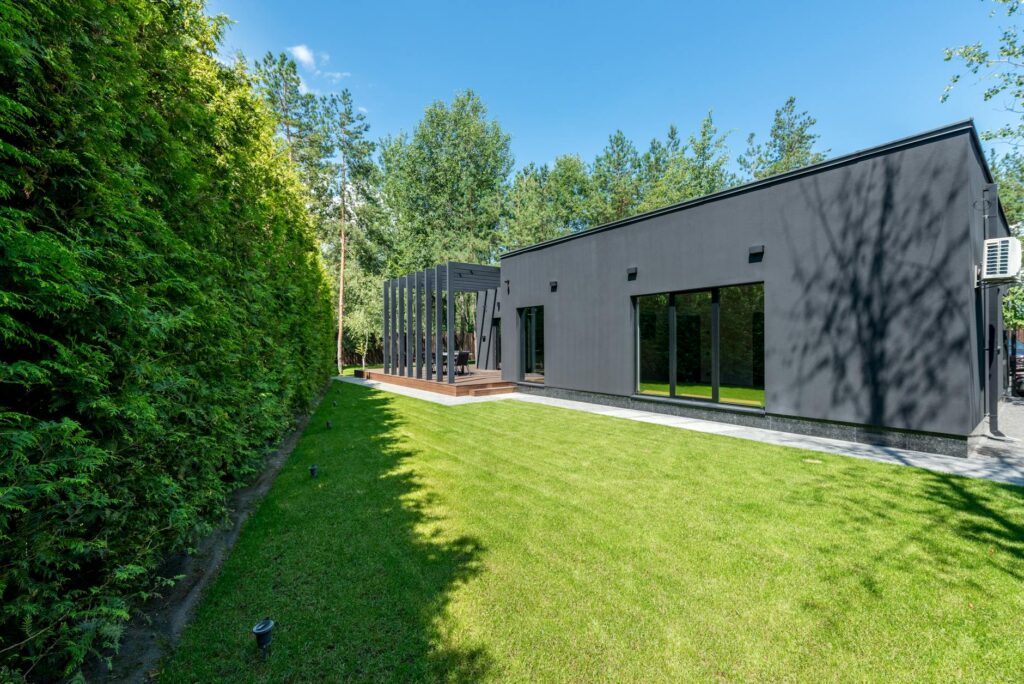
Remodeling Your Home: Beyond the Obvious
When most homeowners think about remodeling, their minds often jump to extravagant kitchen overhauls or luxurious master suite expansions. While these can be fantastic projects, the reality of maximizing return on investment (ROI) and enhancing daily living often lies in unexpected places. It’s not just about adding square footage or the most expensive countertops. it’s about smart, strategic improvements that resonate with future buyers and improve your current quality of life. According to the National Association of Home Builders (NAHB) (2023), projects that enhance energy efficiency and basic functionality consistently rank high in homeowner satisfaction and resale value.
Last updated: April 23, 2026
The most impactful remodeling projects often focus on improving functionality, energy efficiency, and curb appeal, rather than solely on luxury upgrades. Strategic renovations can increase your home’s value and your enjoyment of the space without necessarily breaking the bank on the trendiest finishes.
Challenging the ‘Bigger is Better’ Myth
A common misconception is that adding more space is always the best remodeling strategy. However, a study by the National Association of Realtors (NAR) (2022) found that projects like adding a bathroom or upgrading a kitchen often yield a higher ROI than adding a completely new room. For example, a major kitchen remodel can recoup upwards of 53% of its cost, while a bathroom addition might see around 50%.
Instead of focusing on sheer size, consider how you can optimize your existing layout. Sometimes, reconfiguring a poorly designed floor plan or improving natural light can make a home feel much larger and more livable. Think about flow between rooms, natural light penetration, and efficient use of every square foot. A well-executed remodel of a 1,500-square-foot home can feel more appealing than a poorly planned one in a 2,500-square-foot shell.
The Underrated Power of Curb Appeal
First impressions matter, and for your home — that means curb appeal. Here’s the area where a relatively modest investment can yield significant returns. Simple updates like a new front door, updated landscaping, fresh exterior paint, or improved outdoor lighting can make a dramatic difference. According to Remodeling Magazine’s ‘Cost vs. Value Report’ (2023), replacing a garage door can recoup over 90% of its cost, a surprisingly high figure that highlights the impact of exterior upgrades.
Don’t underestimate the psychological impact of a welcoming exterior. It sets the tone before anyone even steps inside. Consider upgrading your mailbox, house numbers, and entryway hardware. Even cleaning your gutters and power washing your siding can make a noticeable improvement. Here are often less expensive than interior renovations but can influence a buyer’s perception and offer price.
Energy Efficiency: A Smart Investment
In an era of rising energy costs and increasing environmental awareness, upgrades that improve energy efficiency are becoming really important. This isn’t just about saving money on utility bills. it’s also a significant selling point. Potential buyers, especially in regions like Arizona where cooling costs are high, are increasingly factoring energy performance into their decisions. According to the U.S. Department of Energy (DOE) (2024), improving insulation, upgrading windows, and installing energy-efficient HVAC systems can lead to substantial long-term savings and comfort.
Consider projects like adding insulation to your attic and walls, sealing air leaks around windows and doors, upgrading to double or triple-paned windows, or installing a high-efficiency HVAC system. Even switching to LED lighting throughout the house contributes to energy savings. These improvements often have a payback period and contribute to a lower carbon footprint, appealing to a broader range of potential buyers.
When to DIY vs. Hire a Pro
The decision to DIY or hire a professional is critical for both budget and quality. While DIY can save on labor costs, it’s essential to be realistic about your skills, time, and the complexity of the job. For tasks like painting, minor landscaping, or replacing cabinet hardware, DIY is often feasible. However, for projects involving plumbing, electrical work, structural changes, or complex tiling, hiring a licensed contractor is usually the wiser choice.
According to the ContractorTalk forum, a common piece of advice is to “know your limits.” Mistakes in critical areas can be costly to fix and may even pose safety risks. For instance, improper electrical wiring can lead to fires. Similarly, plumbing errors can cause water damage. Always obtain multiple quotes from reputable contractors, check their references, and ensure they’re properly licensed and insured. For larger projects, consider working with an architect or designer to ensure the plans are sound.
Material Selection: Balancing Cost, Durability, and Aesthetics
Choosing the right materials is a balancing act. The latest trend might be appealing, but is it durable? Is it within budget? Will it hold up in your climate? For instance, while quartz countertops are popular and durable, they can be more expensive than laminate. Similarly, a high-end hardwood floor might be beautiful but requires more maintenance than luxury vinyl plank (LVP).
When selecting materials, consider the specific application. For high-traffic areas like kitchens and bathrooms, opt for durable, water-resistant materials. For flooring, LVP has gained popularity for its water resistance and affordability, often mimicking the look of wood or tile. In kitchens, stainless steel appliances are a classic choice, but brands like Bosch offer reliable performance. For paint, Sherwin-Williams and Benjamin Moore are trusted brands known for quality and a wide color selection. Always check manufacturer warranties and inquire about expected lifespan.
The Importance of Permits and Regulations
Ignoring permits can lead to significant headaches down the line, including fines and the requirement to undo work. Most municipalities require permits for structural changes, additions, significant electrical or plumbing work, and sometimes even for replacing windows or roofing. It’s Key to check with your local building department before starting any project.
Understanding zoning laws and homeowners’ association (HOA) rules is also vital. Some HOAs have strict guidelines on exterior colors, landscaping, and even the types of renovations allowed. Failing to comply can result in penalties or forced changes. Planning for permits early can help avoid costly delays and ensure your remodel meets all legal requirements.
Frequently Asked Questions
what’s the most common remodeling mistake?
The most common remodeling mistake is underestimating the total cost and timeline. Many homeowners fail to account for unexpected issues, material price fluctuations, or contractor delays, leading to budget overruns and extended project durations.
Should I remodel before selling my house?
It depends on the remodel. Minor updates focusing on curb appeal, fresh paint, and fixing known issues are generally beneficial. Major renovations might not recoup their cost before a sale, especially if they’re highly personalized or cater to niche tastes.
How much should I budget for a kitchen remodel?
A typical kitchen remodel can range from $15,000 for a budget-friendly refresh to over $60,000 for a high-end renovation. According to HomeAdvisor, the average cost across the U.S. is around $25,000, but this varies by location and scope.
Is it better to renovate room by room or do a whole-house remodel?
Renovating room by room offers more flexibility and allows you to spread costs over time. A whole-house remodel can be more efficient if you’re making significant structural changes or want a cohesive design throughout. However, it requires a larger upfront investment and can be disruptive.
How do I find a reliable contractor?
Look for contractors with good online reviews on platforms like Angie’s List or the Better Business Bureau. Ask for recommendations from friends, family, or neighbors. Always check licenses, insurance, and references, and get a detailed written contract before work begins.
Conclusion: Strategic Remodeling for Lasting Value
Effective remodeling is more about thoughtful planning and strategic execution than simply spending money. By focusing on functionality, energy efficiency, curb appeal, and smart material choices, you can create a home that’s both a joy to live in and a sound investment. Challenge the conventional wisdom, prioritize projects that offer tangible benefits, and always consult with professionals when needed. Your well-executed renovation will pay dividends for years to come.
Related read: Your Roof: A 10-Year Investment Outlook