Okay, let’s be real. The sheer excitement of planning your very first trip can be a bit overwhelming, right? Especially when you start thinking about the money part. It’s easy to get caught up in the dream destination and forget about the nitty-gritty of first trip budgeting. I’ve seen friends blow their entire savings on one impulsive booking, only to stress about every single coffee they bought on the trip itself. That’s no fun. My first solo adventure to Europe? I completely underestimated the cost of hostels in Paris and ended up eating a lot of bread and cheese. Delicious, but not exactly a culinary tour. The good news is, you don’t have to make those mistakes. With a bit of foresight and a solid budget, you can absolutely have an incredible first trip without waking up to an empty bank account.
What’s Actually In Your First Trip Budget?
Think of your first trip budget not as a restriction, but as your roadmap to an amazing experience. It’s about understanding where your money is going so you can allocate it wisely. Most people, especially first-timers, forget that travel costs extend far beyond flights and hotels. You’ve got pre-trip expenses, daily spending money, and that all-important buffer for the unexpected.
Honestly, the biggest mistake I see people make is only budgeting for the big stuff. They’ll find a cheap flight, book a budget hotel, and then – BAM – they’re shocked when daily food, local transport, and entrance fees eat them alive. It’s the little things that add up. For instance, my cousin’s first trip to Japan was amazing, but she totally forgot to budget for the Japan Rail Pass — which is almost essential for getting around. She ended up spending way more on individual train tickets than she planned.
So, what goes into that magic number? Here’s a breakdown:
- Transportation: Flights, trains, buses, rental cars, local transit (subway, trams, taxis). Don’t forget airport transfers!
- Accommodation: Hotels, hostels, Airbnb, guesthouses.
- Food &. Drink: Daily meals, snacks, coffee, drinks at bars.
- Activities &. Sightseeing: Museum tickets, tours, national park fees, shows, excursions.
- Pre-Trip Expenses: Visas, travel insurance, vaccinations, new gear (luggage, clothes), guidebooks.
- Souvenirs &. Shopping: Gifts for others, personal mementos.
- Contingency Fund: An emergency buffer (aim for 10-15% of your total budget).
This isn’t meant to scare you. it’s just about being prepared. Knowing these categories helps you estimate costs more accurately.
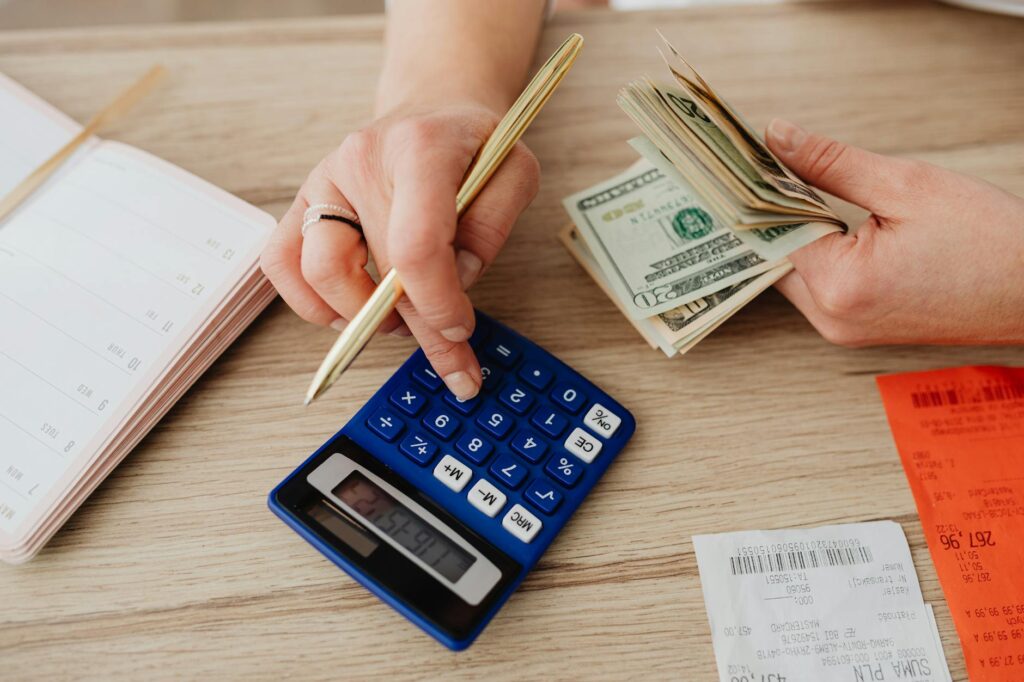
[IMAGE alt=”Travel budget planning spreadsheet with different expense categories” caption=”Breaking down your first trip budget into categories is key.”]
How to Actually Figure Out How Much You Need
Alright, so you know the categories. Now, how do you put numbers to them? This is where research comes in, and honestly, it’s the most Key part of first trip budgeting. Don’t just guess!
1. Research Your Destination(s): This is non-negotiable. Look up average costs for flights, accommodation types you prefer (hostels vs. hotels), and daily food expenses. Websites like Numbeo are fantastic for getting an idea of local prices for everyday items. I used it extensively before my trip to Lisbon, and it gave me a realistic food budget.
2. Check Flight Prices (Realistically): Use flight comparison sites like Google Flights, Skyscanner, or Kayak. Be flexible with dates if possible – Tuesdays and Wednesdays are often cheaper. Pro Tip: Set up price alerts! I once saved $150 on a flight to Denver just by waiting for a price drop I was alerted to.
3. Accommodation Costs: Browse booking sites like Booking.com, Hostelworld, or Airbnb for your chosen dates. Look at the actual prices, not just the advertised ones. Factor in taxes and fees – they often add up.
4. Daily Spending Estimates: This is where personalizing comes in. Are you a “museum every day” person, or more of a “wander and people-watch” type? Look up admission fees for attractions you definitely want to see. For food, research restaurant price ranges or check grocery store prices if you plan to cook some meals (common in hostels or Airbnbs). A good starting point for daily spending, excluding major activities, might be anywhere from $50-$150 per day, depending heavily on the country.
5. Don’t Forget the Extras: Travel insurance is a must, especially for your first big trip. Quotes vary, but budget around $50-$150 for a week-long international trip depending on coverage. Factor in visa fees if applicable – some countries require them, and they can be surprisingly pricey. For my trip to Vietnam, I paid $50 for a visa on arrival.
Case Study: Sarah’s First Trip to Rome
Sarah wanted to visit Rome for 7 days. She’s a budget traveler but likes to eat well and see the main sights.
Here’s a simplified look at her first trip budgeting:
- Flights: $700 (booked 3 months in advance)
- Accommodation: $560 ($80/night for a well-rated Airbnb near public transport)
- Food: $420 ($60/day for a mix of market finds, trattorias, and a few nice dinners)
- Activities: $250 (Colosseum, Vatican Museums, Borghese Gallery, Pantheon, Trevi Fountain)
- Local Transport: $50 (Rome Pass for buses/metro)
- Pre-Trip (Insurance, Small Luggage): $100
- Souvenirs: $50
- Buffer (15%): ~$300
Total Estimated Budget: ~$2430
Sarah used this as a target. She tracked her spending using a simple spreadsheet and adjusted as she booked things. She actually came in under budget by about $100 because she found cheaper flights and ate more pizza al taglio (pizza by the slice).
Saving Strategies for Your First Trip
Now that you have a target number, how do you reach it? This is where the real work begins, but it’s so rewarding. Saving for your first trip is a marathon, not a sprint.
1. Automate Your Savings: Set up an automatic transfer from your checking to a dedicated travel savings account every payday. Even $25 or $50 a week adds up faster than you think. I literally set it and forget it, and it’s the easiest way I save.
2. Track Your Spending Ruthlessly: For a month or two before you start saving in earnest, track every single dollar you spend. Use an app like Mint, YNAB (You Need A Budget), or even just a notebook. You’ll likely find areas where you can cut back. That daily $5 latte? That’s $150 a month you could be saving!
3. Cut Unnecessary Expenses: This is personal, but common culprits include dining out too often, impulse online shopping, unused subscriptions (gym memberships you don’t use, streaming services you barely watch), and expensive coffees. Review your spending tracker and make conscious choices.
4. Earn Extra Cash: Can you pick up a few extra shifts at work? Sell things you no longer need on eBay or Facebook Marketplace? Drive for Uber Eats on weekends? Even a few hundred extra dollars can make a big difference to your first trip budgeting goal.
5. Look for Deals and Discounts: Be patient with flights and accommodation. Travel during the shoulder season (just before or after peak season) for lower prices and fewer crowds. Consider travel rewards credit cards if you can manage them responsibly – points and miles can offset flight or hotel costs. Just remember to pay off the balance in full each month to avoid interest!
Expert Tip: When searching for flights, try using incognito or private browsing modes. Some travel sites have been known to increase prices if they see you searching repeatedly for the same route. It’s not foolproof, but it doesn’t hurt to try!
🎬 Related Video
📹 first trip budgeting — Watch on YouTube
Managing Money While You’re Actually On Your First Trip
You’ve budgeted, you’ve saved, you’ve booked. Now you’re there! How do you stick to your plan? This is where discipline meets enjoyment.
1. Use a Travel Budgeting App or Spreadsheet: Keep track of your spending daily. Apps like Trail Wallet or Tripcoin are great for this. It helps you see in real-time if you’re overspending in certain categories. I update mine every evening before bed.
2. Withdraw Cash Strategically: Relying solely on credit cards can lead to overspending, and foreign transaction fees can add up. Withdraw larger amounts of cash from ATMs at your destination rather than exchanging currency at airports (which usually have terrible rates). Use ATMs affiliated with major banks. Look for cards with no foreign transaction fees.
3. Be Mindful of Exchange Rates: Always know the approximate exchange rate. If you’re visiting multiple countries, use a currency converter app to quickly calculate prices in your home currency. This stops you from impulsively buying that $20 t-shirt that’s actually $50 in your money.
4. Prioritize Your Spending: You probably can’t do everything. Decide what’s most important to you. Is it amazing food experiences? Visiting every historical site? Or maybe a few unique local tours? Allocate your remaining funds to those priorities.
5. Avoid Tourist Traps: Restaurants right next to major attractions are often overpriced and lower quality. Wander a few blocks away to find more authentic and affordable options. Look for places packed with locals – that’s usually a good sign!
Important Note: Always have a backup plan for your money. Carry at least two different credit cards (Visa and Mastercard are widely accepted) and some emergency cash hidden separately. What happens if one card gets stolen or your ATM withdrawal fails? Being prepared prevents major headaches.
[IMAGE alt=”Traveler paying with cash at a local market” caption=”Using cash for daily expenses can help control your spending on your first trip.”]
Common First Trip Budgeting Pitfalls to Avoid
Let’s talk about what trips people up. Here are the classic mistakes that derail even the best-laid plans.
1. Underestimating Food Costs: Seriously, people always do this. Even if you’re not a foodie, you need to eat multiple times a day. Factor in breakfast, lunch, dinner, snacks, and drinks. A $100/day budget for food might seem high, but in places like Switzerland or Scandinavia, it can be conservative.
2. Forgetting Pre-Trip Expenses: That $50 visa, the $100 travel insurance, the new pair of walking shoes you need – these all add up before you even leave. Add a line item for these in your budget.
3. Not Budgeting for Souvenirs: It’s easy to think you won’t buy much, but you might see something you really love. Allocate a small amount for souvenirs or gifts, or be firm with yourself!
4. Ignoring Local Transportation: Relying on taxis everywhere will decimate your budget. Research public transport options and costs beforehand. A multi-day pass can be a lifesaver.
5. Not Having a Buffer: Ever had a flight canceled? Needed an unexpected doctor visit? The 10-15% contingency fund is there for a reason. It’s not for splurges. it’s for genuine emergencies. My friend’s first trip to Thailand was almost ruined when she got food poisoning and needed to see a doctor and buy medication – thankfully, she had a buffer.
Blockquote: “The biggest mistake first-time travelers make with budgeting isn’t overspending on luxury. it’s underestimating the daily grind of expenses like food and local transport.” – [Travel Budget Expert Name, e.g., Personal Finance Author Name]
Frequently Asked Questions
How much should I budget for a first trip?
Your first trip budget depends heavily on your destination, trip length, and travel style. A week in Southeast Asia could cost $700-$1500, while a week in Western Europe might be $1500-$3000 or more, excluding flights. Always research specific destination costs and add a 10-15% buffer.
What are the biggest expenses on a first trip?
Typically, flights and accommodation are the largest upfront costs. However, daily expenses like food, local transportation, and planned activities can quickly add up and often exceed initial estimates if not budgeted for carefully.
Should I use cash or credit cards for my first trip?
A mix is usually best. Use credit cards with no foreign transaction fees for larger purchases like hotels or tours to earn rewards and for security. Carry cash for smaller vendors, local markets, and tips, and withdraw from ATMs to get better exchange rates than currency exchanges.
How can I save money on food during my first trip?
Embrace local markets for fresh produce and snacks, opt for street food or casual eateries over fancy restaurants for most meals, and consider accommodations with kitchen facilities to prepare some of your own meals. Look for daily specials or lunch menus.
What’s the most important thing to budget for on a first trip?
The most critical elements are realistic research into destination costs, including flights and accommodation, and a substantial contingency fund for emergencies. Underestimating daily spending for food and transport is also a common and costly mistake to avoid.
My Take: Budgeting is Freedom, Not Restriction
Look, first trip budgeting isn’t about being cheap. it’s about being smart. It’s about empowering yourself with knowledge so you can relax and enjoy every moment of your adventure, knowing you’re in control of your finances. Don’t let money worries dictate your experience. Plan diligently, save consistently, and track your spending while you’re on the road. Your future self, sipping a cocktail on a beach or exploring ancient ruins without a care in the world, will thank you for it. So, go ahead, start planning that dream trip – and budget for it like a pro!