
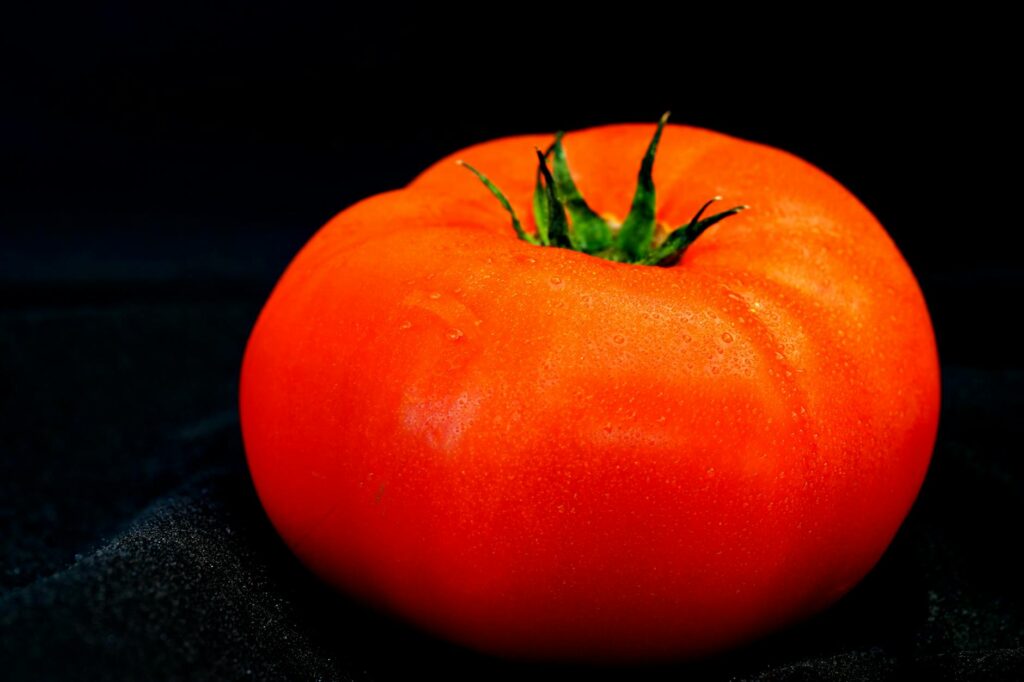
Tomato Recipes 2026: Ditch Bland, Taste REAL Flavor
Honestly, if your go-to tomato recipe involves just dicing them into a sad salad or boiling them into a watery sauce, we need to talk. The year is 2026, and we’ve learned so much more about coaxing incredible flavor out of this humble fruit. If you’re still stuck in a rut, serving up dishes that taste… well, just tomatoey and not wow, you’re missing out on a culinary revolution happening right in your own kitchen. It’s time to ditch the bland and embrace the best tomato recipes 2026 has to offer, transforming your meals from forgettable to fantastic.
This isn’t about fancy, unattainable techniques. It’s about understanding what makes tomatoes tick and using simple, actionable strategies to amplify their natural sweetness, acidity, and umami. I’ve spent years, and yes, made my fair share of bland pasta sauces, trying to figure this out. Now, I want to share what actually works, so you don’t have to waste another perfectly good tomato.
Table of Contents
- Why Do So Many Tomato Dishes Taste Meh?
- Using the Roasting Magic for Tomato Flavor
- Raw Power: Elevating Tomatoes Beyond the Basic Salad
- Canned Tomato Secrets for 2026: Not All Cans Are Equal
- Which Tomato Matters? Matching Varieties to Recipes
- Quick Tomato Wins for Busy Nights
- Frequently Asked Questions About Tomato Recipes
Why Do So Many Tomato Dishes Taste Meh?
Let’s be real: tomatoes have a lot of potential, but they also have a lot of water. If you’re not careful, that water dilutes all the good stuff – the sugars, the acids, the complex flavor compounds. Most basic recipes don’t account for this. They treat all tomatoes the same, failing to concentrate their flavor or balance their natural acidity.
The biggest culprit? Overcrowding in the pan, not giving them enough time to break down, or using the wrong type of tomato for the job. Thing is, a watery tomato sauce is a sad, sad thing. It lacks depth. It lacks that punch. It’s the culinary equivalent of a shrug. And in 2026, we’re better than a shrug.
“The key to a great tomato dish isn’t just the tomato itself, but how you treat it. Gentle heat, concentrated cooking, and the right pairings can unlock incredible sweetness and depth.” – A well-worn adage in my kitchen.
Using the Roasting Magic for Tomato Flavor
Roasting is, hands down, one of the most impactful ways to transform tomatoes. It’s simple, but the results are profound. Roasting concentrates the sugars, caramelizes them slightly, and drives off excess water, creating a sweet, intensely flavored bite. This is where many of the best tomato recipes 2026 are built.
How to Roast Tomatoes Like a Pro:
- Choose Your Tomatoes: Cherry, grape, or Roma tomatoes work best as they have less internal gel. Halve or quarter larger ones.
- Prep the Pan: Toss tomatoes with good olive oil, a pinch of salt, pepper, and maybe a sprig of rosemary or thyme. Don’t overcrowd the baking sheet – give them space!
- Roast Low and Slow (or Fast and Hot): For intense sweetness, roast at around 275°F (135°C) for 1-2 hours, until slightly shriveled and jammy. For a quicker, brighter flavor, roast at 400°F (200°C) for 20-30 minutes until softened and slightly browned.
[IMAGE alt=”Close-up of intensely roasted cherry tomatoes on a baking sheet, glistening with olive oil and herbs.” caption=”Roasted tomatoes become sweet jewels, perfect for countless dishes.”]
Roasted tomatoes are ridiculously versatile. They’re incredible tossed with pasta, stirred into risotto, spread on toast for a killer bruschetta, or blended into a rich, flavorful soup. Seriously, once you try deeply roasted tomatoes, you’ll wonder how you ever lived without them. My personal favorite? Roasted tomatoes with a splash of balsamic vinegar in the last 15 minutes of cooking.
🎬 Related Video
📹 My Top 6 Tomatoes of 2025 — Watch on YouTube
Raw Power: Elevating Tomatoes Beyond the Basic Salad
Not every tomato dish needs heat. Sometimes, the best way to enjoy peak-season tomatoes is raw. But we’re not talking about sad, watery slices on white bread. We’re talking about celebrating the tomato in its purest form. This means using the best quality tomatoes you can find and treating them with respect.
Bruschetta Reimagined: Skip the pre-shredded garlic. Finely mince fresh garlic, rub it on toasted rustic bread, then top with diced, ripe tomatoes. Drizzle generously with high-quality extra virgin olive oil (look for brands like California Olive Ranch for accessible quality), a sprinkle of flaky sea salt, and fresh basil. It’s simple, but the flavor difference is astronomical.
Gazpacho That Wows: Forget watery, bland gazpacho. The best versions, like those from traditional Spanish regions, are blended with good olive oil, a touch of sherry vinegar, and plenty of fresh vegetables for texture and depth. Using a mix of ripe tomatoes and perhaps a few roasted ones can add another layer of complexity. This is a perfect way to use up a glut of ripe tomatoes in the summer heat.
Pro Tip: For raw tomatoes, always season them right before serving. Salt draws out moisture, and you don’t want that happening prematurely if you’re aiming for peak texture and flavor.
Canned Tomato Secrets for 2026: Not All Cans Are Equal
Look, fresh tomatoes are great, but let’s be honest, they aren’t always available or at their best. That’s where canned tomatoes shine, IF you choose wisely. This is a massive area where people make mistakes, and it tanks their recipes. The best tomato recipes 2026 still rely on quality canned tomatoes for consistency.
What to Look For:
- Whole Peeled San Marzano Tomatoes: These are often considered the gold standard for sauces and stews. Grown in the volcanic soil near Mount Vesuvius in Italy, they have a lower acidity, fewer seeds, and a sweeter, richer flavor. Brands like Muir Glen Organic (though not strictly San Marzano, they’re a good US option) or imported DOP-certified San Marzanos are excellent.
- Diced vs. Crushed vs. Whole: Whole peeled tomatoes give you the most control; you can break them down yourself to your desired consistency. Diced tomatoes often have firming agents added, which can affect texture. Crushed tomatoes are a good middle ground.
- Avoid Added Sugars or Weird Ingredients: Read the label. You want tomatoes, maybe tomato juice or puree, and salt. That’s it. Anything else is often a sign of lower quality.
Entity Note: DOP certification (Denominazione di Origine Protetta) is a European Union designation that guarantees the authenticity and quality of a product, like San Marzano tomatoes, ensuring they originate from a specific region and are produced according to traditional methods.
In my kitchen, a can of good whole peeled tomatoes is a pantry staple. They’re the foundation for quick weeknight pasta sauces, hearty chili, and even baked dishes. Don’t underestimate the power of a quality can.
Which Tomato Matters? Matching Varieties to Recipes
This is where things get really interesting. The type of tomato you use makes a HUGE difference. A watery beefsteak might be fine for a BLT, but it’s a disaster for a thick sauce. Likewise, tiny cherry tomatoes are perfect for roasting but a pain to sauce.
Here’s a quick rundown:
| Tomato Type | Best For | Why |
|---|---|---|
| Roma/Plum Tomatoes | Sauces, Pastes, Canning | Meaty, fewer seeds, less water. Ideal for concentrating flavor. |
| Cherry/Grape Tomatoes | Roasting, Salads, Snacking | Sweet, burst with flavor when cooked. Small size is convenient. |
| Heirloom Tomatoes | Salads, Slicing, Raw Dishes | Incredible flavor diversity, beautiful colors. Best when peak season and used raw. |
| Beefsteak Tomatoes | Sandwiches, Slicing | Large, juicy, classic tomato flavor. Can be watery for cooking. |
Expert Tip: If you’re making a sauce and only have juicy slicing tomatoes, cut them in half and let them drain in a colander over a bowl for 30 minutes before cooking. You’ll be amazed how much water you discard!
Quick Tomato Wins for Busy Nights
Life is hectic, and sometimes you need a delicious tomato-based meal now. The best tomato recipes 2026 for busy weeknights focus on speed and minimal fuss, without sacrificing flavor. Think 30 minutes or less.
1. Speedy Tomato Pasta: Sauté garlic and red pepper flakes in olive oil. Add a can of good quality crushed tomatoes (like Centofanti), a pinch of sugar (if needed to balance acidity), and simmer for 10-15 minutes. Toss with cooked pasta, fresh basil, and a grating of Parmesan. Done.
2. Tomato & White Bean Skillet: Sauté diced onion and bell pepper. Add a can of cannellini beans (rinsed), a can of diced tomatoes (undrained), some Italian seasoning, salt, and pepper. Simmer for 10 minutes until heated through and flavors meld. Serve with crusty bread.
3. Quick Tomato Soup: Sauté onion and garlic. Add a can of whole peeled tomatoes, a cup of vegetable broth, and a bay leaf. Simmer for 15 minutes. Remove bay leaf, blend with an immersion blender (or carefully in a regular blender), stir in a splash of cream or coconut milk if desired. Season and serve.
These recipes prove that delicious, flavorful tomato dishes don’t need hours of simmering. It’s about smart ingredient choices and simple techniques.
Frequently Asked Questions About Tomato Recipes
Can I use any tomato for any recipe?
While you can, it’s not ideal. Meaty, low-seed tomatoes like Romas are best for sauces, while sweet, small tomatoes like cherry varieties shine when roasted or in salads. Using the wrong type often leads to watery or bland results.
How do I make my tomato sauce taste better?
Start with quality canned tomatoes, like whole peeled San Marzanos. Roast some fresh tomatoes to add depth. Don’t be afraid to let the sauce simmer gently for a good amount of time to concentrate flavors. A pinch of sugar can balance acidity, and fresh herbs added at the end brighten it up.
What’s the difference between fresh and canned tomatoes for cooking?
Fresh tomatoes are best for raw applications and quick cooking where their bright flavor is key. Canned tomatoes, especially whole peeled varieties, are often more concentrated in flavor and consistent in quality, making them ideal for sauces, stews, and dishes that require long simmering.
Are sun-dried tomatoes good for recipes in 2026?
Absolutely! Sun-dried tomatoes offer an intense, chewy, umami-rich flavor. They’re fantastic chopped into pasta dishes, salads, frittatas, or blended into pestos and dips. Rehydrate them in warm water or broth if they seem too dry.
What’s the secret to good roasted tomatoes?
The secret is giving them space on the baking sheet and not rushing the process. Roasting at a moderate temperature concentrates their natural sugars and drives off excess water, creating a sweet, slightly caramelized flavor that’s far superior to simply baked tomatoes.
Look, transforming tomatoes from a background ingredient to a star performer is totally achievable. It’s about understanding their potential and using techniques that unlock their true flavor. So, go forth, grab some good tomatoes (fresh or canned!), and start cooking. Your taste buds will thank you for ditching the bland and embracing these best tomato recipes 2026 has to offer.