Long Distance Towing: Your Guide to Safe Transport
Moving a vehicle across several hundred, or even thousands, of miles presents unique challenges. Unlike local towing — which often involves a short trip to a nearby garage, long distance towing demands a higher level of planning, specialized equipment, and strong logistics. Whether you’re relocating for work, buying a car from a distant dealership, or sending a vehicle to a family member, ensuring its safe and timely arrival is really important. AZ Hooks understands these complexities and provides expert solutions for all your long-haul vehicle transport needs.
Last updated: April 23, 2026
When you need to transport a vehicle over a significant distance, it’s Key to understand the process and what to look for in a service provider. This guide will walk you through the key considerations, from selecting the right company to preparing your vehicle for the journey.
What Exactly is Long Distance Towing?
Long distance towing refers to the transportation of a vehicle over a considerable geographical area, typically exceeding 100 miles. You can encompass interstate travel, cross-country moves, or even international shipping. The primary distinction from local towing lies in the duration, complexity, and specialized requirements of the transport. It often involves professional car carriers or heavy-duty tow trucks designed for extended journeys.
Direct Answer: Long distance towing is the professional service of transporting vehicles over significant distances, usually over 100 miles, requiring specialized equipment and logistics to ensure safety and efficiency throughout the journey.
Why Might You Need Long Distance Towing?
Several scenarios necessitate long distance towing services. Perhaps you’ve purchased a classic car or a project vehicle from an auction or a private seller located far from your home. It might be that you’re relocating to a new city or state and need to transport your primary vehicle without incurring the wear and tear of a long drive. For military personnel or corporate transferees, moving vehicles across states is a common requirement. Sometimes, individuals need to transport a vehicle to a specialized repair shop that isn’t available locally, or they’re selling a vehicle to a buyer in another region.
The decision to use a towing service for long distances often comes down to practicality and cost-effectiveness. Driving a vehicle thousands of miles can add significant mileage, potentially decreasing its resale value and incurring substantial fuel, accommodation, and maintenance costs. Professional towing mitigates these issues.
Choosing the Right Long Distance Towing Provider
Selecting a reputable provider is the most critical step in ensuring your vehicle’s safe transit. Look for companies with extensive experience in long-haul transport. Check their licensing and insurance coverage thoroughly. According to the Federal Motor Carrier Safety Administration (FMCSA) (2023), interstate movers must be registered and comply with specific regulations. While towing services aren’t always subject to the same strict requirements as household goods movers, a professional operation will still adhere to high standards of safety and compliance.
Key factors to consider include:
- Insurance Coverage: Ensure the company has adequate insurance to cover your vehicle during transit. Ask for proof of their insurance policy.
- Equipment: Verify they use appropriate equipment for long distances, such as enclosed trailers for classic or luxury vehicles, or strong open car carriers for standard transport. Companies like Landstar System often use specialized fleets for diverse transport needs.
- Reputation and Reviews: Read online reviews and testimonials. Look for feedback In particular mentioning long-distance services. Sites like Trustpilot can offer insights from previous customers.
- Communication: A good provider will offer clear communication, regular updates on your vehicle’s status, and a dedicated point of contact.
- Pricing Transparency: Get a detailed quote upfront. Understand what’s included (e.g., fuel surcharges, tolls, insurance) and what isn’t. Be wary of quotes that seem too low.
Types of Long Distance Towing Equipment
The type of equipment used impacts the safety and condition of your vehicle upon arrival. The most common methods for long distance towing include:
- Open Car Carriers: These are the most common and cost-effective option. They resemble large car haulers and can transport multiple vehicles simultaneously. Your car is secured to the trailer but exposed to the elements.
- Enclosed Trailers: For high-value, classic, or sensitive vehicles, enclosed trailers offer maximum protection. They shield the car from weather, road debris, and potential theft. While more expensive, they provide peace of mind.
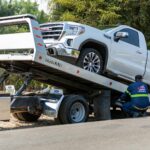
- Flatbed Tow Trucks: While often associated with shorter distances, specialized heavy-duty flatbed trucks can be used for long hauls, especially for single vehicles or those that can’t be driven.
The choice often depends on your vehicle’s value, condition, and your budget. For instance, if you’re shipping a vintage Mercedes-Benz to a collector, an enclosed trailer is likely the preferred choice over an open carrier.
Preparing Your Vehicle for Long Distance Towing
Proper preparation is essential to prevent issues during transit. A few simple steps can make a big difference:
- Clean Your Vehicle: A clean car makes it easier to document its condition and spot any pre-existing damage.
- Document Existing Damage: Before the tow truck arrives, take detailed photos or videos of your vehicle, noting any scratches, dents, or other imperfections.
- Remove Personal Items: Don’t leave anything valuable or personal inside the vehicle. Towing companies are typically not liable for items left inside.
- Check Fluids: Ensure essential fluids like oil and coolant are at appropriate levels, especially if the vehicle will be driven onto the carrier.
- Secure Loose Parts: Anything that could fall off during transit, like antennas or spoilers, should be secured or removed.
- Disable Alarm Systems: If your vehicle has a sensitive alarm, disable it to prevent it from sounding during loading or transit.
- Provide Keys and Documentation: Ensure the towing company has the necessary keys and any required documentation for transport.
According to industry best practices, a thorough pre-inspection report should be completed by both the driver and the customer before the vehicle is loaded.
What to Expect on Pick-up and Delivery
On pick-up day, the driver will conduct a thorough inspection of your vehicle, documenting its condition on a Bill of Lading. Here’s your opportunity to point out any pre-existing damage. Once both parties agree and sign, the vehicle will be loaded. If you can’t be present, authorize someone to act on your behalf.
During transit, reputable companies will provide tracking updates. Delivery day involves another inspection. Again, compare the vehicle’s condition to the pre-inspection report. Note any new damage on the Bill of Lading before signing for final acceptance. The U.S. Department of Transportation (DOT) emphasizes the importance of documentation in all vehicle transport scenarios.
Cost Factors for Long Distance Towing
The price of long distance towing isn’t fixed and depends on several variables:
- Distance: The most significant factor. Longer distances naturally cost more.
- Vehicle Type and Size: Larger vehicles (trucks, SUVs) or those requiring specialized handling (classic cars, luxury vehicles) can increase the cost.
- Type of Trailer: Enclosed trailers are more expensive than open carriers.
- Fuel Costs: Fluctuations in fuel prices impact overall charges.
- Time of Year: Seasonal demand or weather conditions can influence pricing.
- Door-to-Door vs. Terminal-to-Terminal: Door-to-door service is usually more convenient but costs more than dropping off/picking up at a company terminal.
- Expedited Service: If you need the vehicle delivered faster than standard transit times, expect additional fees.
As a general estimate, interstate towing can range from $1.00 to $3.50 per mile, depending on these factors. For example, a 1000-mile tow might cost anywhere from $1,000 to $3,500.
Frequently Asked Questions
How long does long distance towing typically take?
Transit times vary greatly depending on the distance, the route, and the carrier’s schedule. A general rule of thumb is about 500 miles per day. So, a 1,500-mile trip might take 3-4 days, plus potential delays for loading and unloading.
Is my vehicle insured during long distance towing?
Reputable companies carry their own insurance, often referred to as carrier liability. However, this coverage may have limitations. It’s wise to confirm the extent of this coverage and consider whether your personal auto insurance or a specialized transit insurance policy is needed for added protection.
Can I ship a non-running vehicle long distance?
Yes, most long distance towing services can handle non-running vehicles. However, you must disclose this upfront. Special equipment, like winches, may be required, and this can sometimes affect the price. The vehicle’s condition will be thoroughly documented.
What’s the difference between a car carrier and a tow truck for long distance?
A car carrier is typically a large, multi-vehicle trailer designed for transporting several cars efficiently over long distances. A tow truck (like a flatbed) is usually a single-vehicle unit, often used for shorter hauls or when a car carrier isn’t practical or available.
Do I need to be present for pick-up and delivery?
While it’s highly recommended to be present for both pick-up and delivery to conduct inspections and sign paperwork, it’s not always mandatory. You can designate a trusted representative to handle these processes if you’re unavailable.
Conclusion: Trust AZ Hooks for Your Long Haul Needs
Long distance towing is a specialized service that requires expertise, reliability, and a commitment to safety. By process, asking the right questions, and choosing a reputable provider like AZ Hooks, you can ensure your vehicle reaches its destination securely and efficiently. We pride ourselves on our transparent pricing, experienced drivers, and state-of-the-art equipment, making us your ideal partner for any cross-country or interstate transport needs. Don’t let the distance deter you. let AZ Hooks handle the journey.