
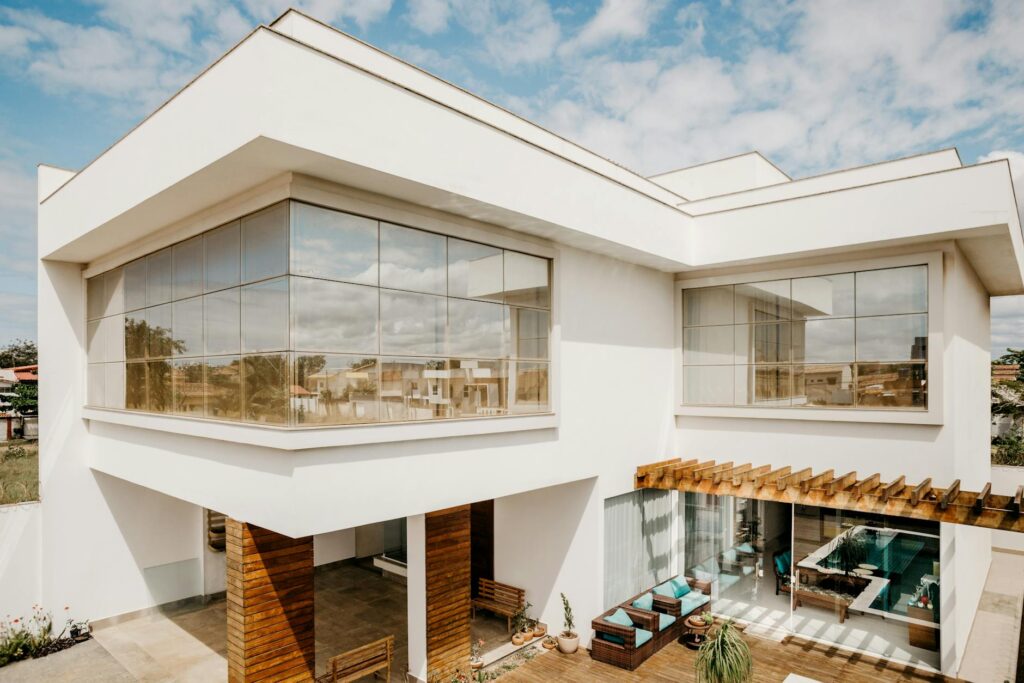
The Critical Role of Home Sidings
Your home’s sidings are its first line of defense against the elements. More than just a cosmetic feature, they protect your structure from moisture, pests, and temperature fluctuations. Neglecting your sidings can lead to costly repairs down the line, affecting everything from insulation efficiency to structural integrity. According to the U.S. Department of Energy (2023), proper insulation and exterior sealing — which sidings contribute to, can reduce heating and cooling costs by up to 20%.
Last updated: April 23, 2026
Choosing the right sidings involves balancing aesthetics, durability, maintenance, and budget. Each material offers unique benefits and drawbacks, and understanding these differences is key to making an investment that lasts.
What Are the Most Popular Types of House Sidings?
Vinyl Siding
Vinyl siding remains a top choice for many homeowners due to its affordability and low maintenance. It’s resistant to rot, insects, and fading. Modern vinyl sidings come in a vast array of colors and styles, including options that mimic the look of wood grain.
Pros: Cost-effective, easy to clean, wide variety of colors and styles, good weather resistance.
Cons: Can crack or warp in extreme temperatures, susceptible to impact damage (like from hail), can look less premium than other materials.
Fiber Cement Siding
Fiber cement siding is a highly durable and versatile option. Composed of cement, sand, and cellulose fibers, it offers excellent resistance to fire, insects, and moisture. It can be engineered to mimic the appearance of wood, stucco, or masonry, providing a premium look without the associated maintenance.
Pros: Highly durable, fire-resistant, insect-proof, resistant to rot and warping, holds paint well, versatile aesthetics.
Cons: Heavier and more expensive than vinyl, requires specialized tools and installation expertise, can be brittle and prone to chipping if mishandled during installation.
Wood Siding
For a classic, natural look, wood siding is unparalleled. Options like cedar, redwood, and pine offer warmth and character. However, wood requires regular maintenance, including sealing and painting, to protect it from moisture, insects, and UV damage.
Pros: Natural beauty, excellent insulation properties, can be painted or stained in any color.
Cons: High maintenance, susceptible to rot, insects, and fire. can be expensive depending on the wood type. requires regular sealing and painting.
Metal Siding
Metal sidings, such as aluminum and steel, are known for their durability and low maintenance. they’re fire-resistant and can withstand harsh weather conditions. Modern metal sidings often feature baked-on finishes that resist fading and corrosion.
Pros: Very durable, low maintenance, fire-resistant, insect-proof, can be recycled.
Cons: Can dent, susceptible to corrosion if the protective coating is damaged, can be noisy during rain or hail storms, limited aesthetic options compared to vinyl or fiber cement.
Key Factors When Choosing Your Home Sidings
Durability and Weather Resistance
Consider your local climate. If you experience extreme temperatures, heavy winds, or significant rainfall, you’ll need a material that can withstand these conditions. Fiber cement and metal sidings generally offer superior durability against harsh weather compared to vinyl — which can become brittle in extreme cold. Wood siding, while beautiful, requires diligent upkeep to resist moisture and rot.
Maintenance Requirements
How much time and money are you willing to invest in upkeep? Vinyl and metal sidings are the lowest maintenance options, typically only needing occasional washing. Wood siding demands regular painting or staining (often every 3-5 years) and inspection for damage. Fiber cement requires less frequent maintenance but should be inspected for cracks or damage, and its paint may need refreshing over time.
Aesthetics and Curb Appeal
Your home’s exterior is a significant part of its overall appeal. Think about the architectural style of your home and the surrounding neighborhood. Vinyl siding offers the widest range of colors and styles, making it easy to match existing aesthetics or create a new look. Fiber cement can mimic premium materials like stone or wood, offering flexibility. Wood siding provides a timeless, natural charm.
Budget and Installation Costs
The cost of sidings varies by material and installation complexity. Vinyl is typically the most budget-friendly option, with material costs ranging from $1 to $5 per square foot. Fiber cement can range from $4 to $10 per square foot. Wood siding costs can vary widely, from $5 to $15 per square foot or more for premium woods. Installation is a major component of the overall cost. According to HomeAdvisor, the average cost to install new home sidings in the U.S. in 2023 was around $9,000, with prices ranging from $4,000 to $14,000 depending on the material and home size.
Making an Informed Decision: Practical Tips
- Get Multiple Quotes: Always obtain at least three quotes from reputable siding contractors. Ensure the quotes detail the materials, labor, warranty, and timeline.
- Check Warranties: Understand the manufacturer’s warranty on the siding material and the contractor’s warranty on the installation. A good manufacturer’s warranty, such as those offered by James Hardie for their fiber cement products, can provide long-term peace of mind.
- Request Samples: Don’t rely solely on online photos. Get physical samples of the siding materials and colors to see how they look in different lighting conditions at your home.
- Consider the Long Term: While initial cost is important, factor in the longevity and maintenance costs of each material. A slightly more expensive, low-maintenance option might save you money over the lifespan of your home.
Frequently Asked Questions
How often should sidings be replaced?
The lifespan of sidings varies greatly by material. Vinyl sidings typically last 20-40 years, fiber cement 50+ years, and wood siding 10-20 years with proper maintenance. Regular inspections can help determine if replacement is needed sooner due to damage or wear.
what’s the cheapest siding material?
Vinyl siding is generally the most affordable option for both material and installation costs, making it a popular choice for budget-conscious homeowners looking for a balance of cost and performance.
Is fiber cement siding worth the cost?
For many, fiber cement siding is worth the investment due to its exceptional durability, resistance to fire and pests, and aesthetic versatility. Its long lifespan and low maintenance can offset the higher initial cost compared to vinyl.
Can I paint over existing sidings?
Yes, many types of sidings can be repainted, especially vinyl and wood. However, it’s Key to use the correct type of paint (e.g., a high-quality acrylic latex paint for vinyl) and ensure the surface is properly cleaned and prepped for best results. Painting vinyl a much darker shade than its original color can sometimes cause warping.
What does siding installation cost on average?
The average cost for siding installation in the United States can range from $4,000 to $14,000, with most homeowners spending around $9,000 for material and labor. This cost is heavily influenced by the type of siding material chosen, the size of the home, and the complexity of the installation.
Conclusion: Investing in Your Home’s Exterior
Selecting the right sidings is a significant decision that impacts your home’s protection, energy efficiency, and aesthetic appeal for years to come. By carefully considering the various material options, their pros and cons, and your specific needs and budget, you can make an informed choice. Whether you opt for the cost-effectiveness of vinyl, the strong durability of fiber cement, the natural charm of wood, or the resilience of metal, investing in quality sidings is an investment in your home’s future. Always consult with qualified professionals to ensure proper installation — which is just as critical as the material itself.