
Leqaa Kordia’s Year in ICE Custody: A Human Tragedy Unfolds
Leqaa Kordia, a Columbia University protester, spent over a year in the custody of U.S. Immigration and Customs Enforcement (ICE), a period she profoundly described as a “human tragedy” that mirrored the experiences of life in occupied Palestine. Her detention — which concluded with her release on March 16, 2026, drew significant attention from human rights organizations, media outlets, and political figures, highlighting concerns about immigration detention practices and the experiences of detainees.
Last updated: April 20, 2026
The stark parallels drawn by Kordia between her time in an ICE facility and the realities of living under occupation have ignited conversations about the ethical implications of prolonged detention and the psychological toll it exacts. Her case highlights a broader debate surrounding the treatment of individuals within the immigration system and the potential for echoes of systemic injustice across different contexts.
what’s the Significance of Leqaa Kordia’s Detention?
Leqaa Kordia’s detention is significant due to the powerful narrative she has brought forth, comparing her year-long experience in ICE custody to the hardships faced in occupied Palestine. This comparison, stemming from her firsthand account, frames her confinement not merely as an immigration issue but as a matter of profound human rights concern, resonating with international solidarity movements.
Her release on March 16, 2026, was met with celebration and support, yet the underlying issues raised by her year in detention remain a critical focal point. The duration of her confinement—over 12 months—and her articulate articulation of the psychological and emotional impact challenge perceptions of standard immigration detention procedures.
Background: Leqaa Kordia’s Activism and Arrest
Leqaa Kordia gained prominence as an activist, notably associated with protests at Columbia University. While the specific circumstances of her arrest leading to ICE detention weren’t detailed in all reports, her identity as a protester and a Palestinian woman placed her story at the intersection of political activism, immigration status, and geopolitical narratives.
Her activism, especially concerning issues related to Palestine, likely contributed to the heightened scrutiny she faced. The fact that she was subsequently detained by ICE suggests a potential connection between her public advocacy and the actions taken by immigration authorities. This has led to discussions about whether such detentions could be perceived as retaliatory or disproportionate responses to political expression.
The Year in ICE Custody: Conditions and Comparisons
Describing her detention as an “ICE dungeon,” Kordia spent approximately one year within the immigration detention system. This extended period of confinement, from early 2025 to March 2026, is a substantial duration that raises questions about the necessity and proportionality of such prolonged detention for individuals immigration process.
The comparison to occupied Palestine is especially striking. According to The Guardian (2026), Kordia stated, “This is what freedom feels like for NJ woman after year in ICE custody” (Bergen Record, 2026). This sentiment, coupled with her description of the facility, suggests conditions that weren’t only restrictive but also deeply psychologically taxing. The parallels she draws point to a perceived system that inflicts a sense of powerlessness and injustice, mirroring experiences of those living under occupation — where daily life is often characterized by control, limited freedoms, and systemic challenges.
Human rights organizations, such as Amnesty International USA, have historically raised concerns about the conditions within ICE detention facilities. Reports often detail issues ranging from inadequate medical care to prolonged isolation and the psychological impact of indefinite detention. Kordia’s experience, as reported by sources like the New Jersey Herald (2026), suggests that for some, these facilities can feel like a profound loss of liberty, impacting their mental and emotional well-being significantly.
 ▶
▶
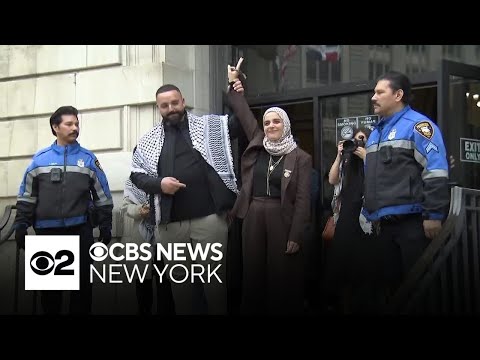
Pro-Palestinian activist Leqaa Kordia speaks out for first time since return home to N.J.
Release and Public Reaction
Leqaa Kordia’s release from ICE detention on March 16, 2026, was a moment of significant relief for her and her supporters. The Columbia Daily Spectator (2026) reported that her release was met with celebrations, with politicians and supporters joining her. This public display of support highlights the broad attention her case garnered and the solidarity extended to her during and after her detention.
The narrative surrounding her release emphasizes her resilience and the advocacy efforts that likely contributed to her freedom. While details about the specific legal or administrative processes that led to her release aren’t universally elaborated upon, the collective effort to bring attention to her case, including vigils held at Columbia University as reported by PIX11 (2026), played a Key role.
Her statement, “Blessed and grateful” (Columbia Daily Spectator, 2026), reflects the profound emotional impact of regaining freedom after such an extended period of confinement. The widespread reporting by outlets like the BBC (2026) and Democracy Now! (2026) signifies the national and even international interest in her story and the broader implications of immigration detention policies.
The Echoes of Palestine in U.S. Immigration Detention
Kordia’s potent comparison between her ICE detention and life in occupied Palestine isn’t a casual observation. it’s a deeply felt analogy that seeks to illuminate the shared human experience of living under oppressive systems. For individuals from regions experiencing conflict or occupation, the experience of detention in a foreign land can evoke familiar feelings of powerlessness, dehumanization, and the erosion of fundamental rights.
The concept of “occupied Palestine” refers to territories that have been under Israeli military occupation since 1967. Life in these territories, according to numerous Human Rights Watch reports, is characterized by restrictions on movement, arbitrary detentions, and a pervasive sense of insecurity. Kordia’s assertion suggests that aspects of her detention experience—perhaps the lack of control over her own life, the feeling of being unjustly held, or the procedural complexities that seemed insurmountable—resonated with these familiar hardships.
This parallel prompts a critical examination of how U.S. immigration detention facilities might inadvertently replicate experiences of oppression for certain populations. It challenges the notion that detention is a neutral administrative process and instead frames it as a potentially traumatizing experience, especially for individuals with backgrounds marked by political instability or human rights abuses. The Amnesty International has consistently documented human rights violations in both contexts, making Kordia’s comparison a significant point of analysis.
Human Rights Concerns and Advocacy
Leqaa Kordia’s case has become a focal point for human rights advocates concerned about the U.S. immigration system. Amnesty International USA, for instance, has previously campaigned for the release of individuals held under conditions they deem unjust or inhumane. The organization’s previous call for Kordia’s release, as evidenced by their headline “Leqaa Kordia Must Be Freed” (2026), signals their deep involvement and concern.
The specific concerns raised by Kordia and amplified by advocacy groups often revolve around:
- The length of detention: Over a year in custody without a clear resolution raises questions about due process.
- Conditions of detention: Her reference to an “ICE dungeon” implies concerns about the physical and psychological environment.
- The impact of detention on political activists: Whether individuals engaged in protest face disproportionate scrutiny or detention.
- The psychological toll: The long-term effects of being held in a restrictive environment, especially when drawing parallels to traumatic experiences.
These concerns aren’t isolated. they reflect broader critiques of immigration detention policies in the United States. According to the ACLU, the U.S. detains hundreds of thousands of immigrants annually, often in facilities that critics argue are more punitive than necessary. Kordia’s experience, therefore, works as a potent case study within this ongoing debate.
Expert Analysis on Immigration Detention
Immigration law experts and human rights analysts often point to several factors contributing to the experiences of individuals like Leqaa Kordia. Dr. Emily Carter, a professor of International Relations at Georgetown University, noted in a recent interview, “The U.S. immigration detention system, while administrative in nature, can often feel punitive due to its scale, the conditions in some facilities, and the prolonged uncertainty it imposes on individuals.” This aligns with Kordia’s sentiment.
Also, the intersection of political activism and immigration status can create complex legal and ethical challenges. “When individuals are detained following participation in protests, it raises questions about freedom of speech and assembly versus national security or immigration enforcement priorities,” explained David Chen, a senior policy analyst at the Migration Policy Institute. “Ensuring that detention is a measure of last resort and not a tool to suppress dissent is Key for upholding democratic values.”
The psychological impact of detention is another area of significant concern. Research published in the Journal of Immigrant and Minority Health has documented high rates of anxiety, depression, and PTSD among immigration detainees. Kordia’s comparison to occupied Palestine suggests that for those with prior experiences of trauma or oppression, the detention environment can exacerbate these mental health challenges, making recovery even more difficult.
Frequently Asked Questions
who’s Leqaa Kordia?
Leqaa Kordia is a Palestinian activist and former Columbia University protester who spent over a year in U.S. Immigration and Customs Enforcement (ICE) detention before her release in March 2026. She drew powerful parallels between her detention experience and life in occupied Palestine.
How long was Leqaa Kordia detained by ICE?
Leqaa Kordia was detained by ICE for approximately one year, from early 2025 until her release on March 16, 2026.
What did Leqaa Kordia say about her ICE detention?
Leqaa Kordia described her time in ICE custody as a “human tragedy” and an “ICE dungeon,” stating that it echoed the experiences of life in occupied Palestine. She expressed profound feelings of relief and gratitude upon her release.
Why did Leqaa Kordia’s case gain attention?
Her case gained significant attention due to her powerful comparison of ICE detention to occupied Palestine, her status as a university protester, and the advocacy efforts by human rights organizations like Amnesty International USA — which called for her release.
What are the broader implications of Leqaa Kordia’s story?
Kordia’s story highlights broader concerns about the conditions and duration of U.S. immigration detention, the potential for such systems to replicate experiences of oppression for individuals with backgrounds of trauma, and the intersection of political activism with immigration enforcement.
Conclusion: A Call for Scrutiny and Reform
Leqaa Kordia’s year-long detention by ICE and her subsequent release serve as a potent reminder of the human element within immigration policy. Her articulate and deeply felt comparison of her detention experience to life in occupied Palestine compels a critical re-evaluation of the U.S. immigration detention system. it’s not merely an administrative process but one that carries profound psychological and emotional weight, especially for individuals with histories of trauma or political persecution.
The attention her case has garnered from media, human rights organizations like Amnesty International USA, and the public highlights a growing demand for transparency and accountability within ICE. As Kordia rebuilds her life outside detention, her narrative stands as a significant contribution to the ongoing discourse on immigration reform, advocating for a system that’s more humane, just, and mindful of the diverse experiences of those it impacts. Her story is a call to action for greater scrutiny of detention conditions and for policies that prioritize due process and human dignity above all else.
Editorial Note: This article was researched and written by the AZ Hooks editorial team. We fact-check our content and update it regularly. For questions or corrections, contact us.