Hachiware: The Cat Breed You Haven’t Heard Of (Yet!)
The hachiware pattern isn’t a breed, but a striking bicolor coat marking found on cats, most famously the Japanese Bobtail. This specific tabby-like marking, featuring a distinct white blaze up the nose and across the forehead, gives cats a unique ‘mask’ appearance. If you’re drawn to cats with personality and striking looks, the hachiware pattern is worth exploring.
Honestly, I used to think all black and white cats were just… black and white cats. But then I saw a Japanese Bobtail with that unmistakable ‘8’ or ‘inverted V’ marking on its face. It’s not just a cute pattern. it’s a specific genetic expression that has cultural significance. Forget your standard tabbies or plain calicos for a moment. we’re diving deep into what makes a hachiware so special, why it’s more than just a pretty face, and what to expect if you’re considering bringing one into your home.
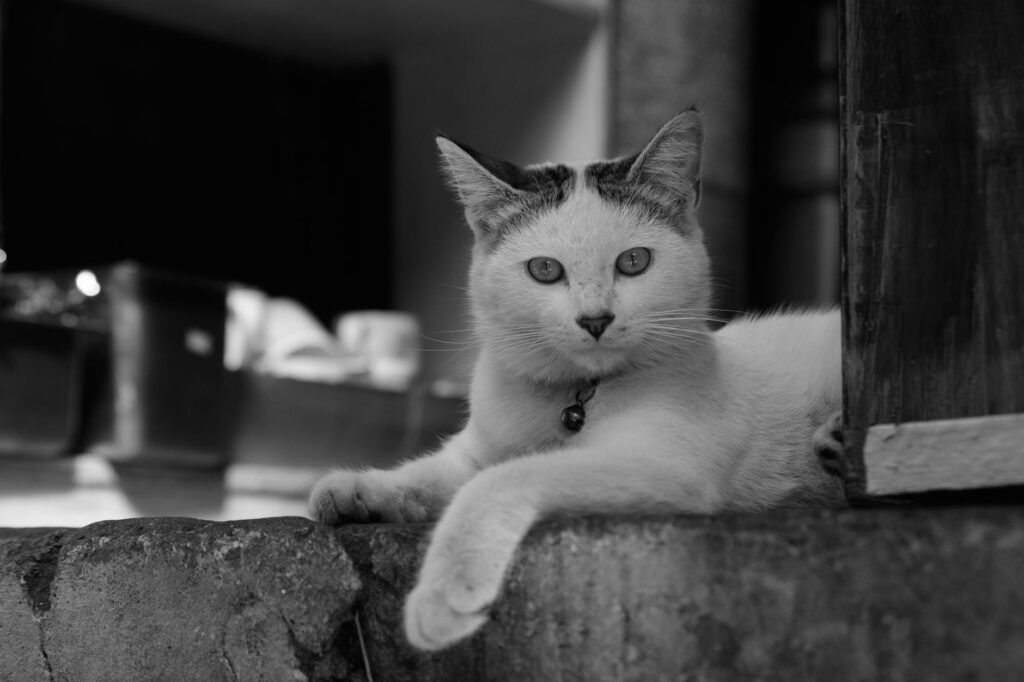
What exactly is a hachiware? It’s a Japanese term describing a specific coat pattern where a cat has a white blaze that extends from its nose up its forehead, often resembling the Chinese character ‘八’ (hachi, meaning eight) or an inverted V. This pattern is most commonly seen in Japanese Bobtails, but can appear on any cat with the right genetic makeup. This unique facial marking, combined with a white body and often a short, bobbed tail (in the case of the Japanese Bobtail), creates a visually arresting feline.
What Does ‘Hachiware’ Actually Mean?
The word ‘hachiware’ (鉢割) literally translates to ‘bowl crack’ or ‘bowl split’ in Japanese. This refers to the appearance of the white marking on the cat’s forehead — which looks like a crack or split in a bowl. It’s a descriptive name for a very distinct visual characteristic. This isn’t just a random smudge. it’s a specific type of bicolor pattern that often goes hand-in-hand with a white chest, belly, and paws, along with a darker back and head.
The Japanese Bobtail breed — where this pattern is most celebrated, is often associated with the Maneki-neko (beckoning cat) figurines seen in businesses across Japan. While not all Maneki-neko are hachiware, many iconic depictions feature this specific facial marking, further cementing its cultural significance. The bobbed tail itself is a result of a natural genetic mutation, giving the breed its unique silhouette.
Hachiware Cat Personality: More Than Just a Pretty Face
So, you’ve got the striking looks, but what about the personality? This is where things get interesting. While coat color and pattern don’t directly dictate personality, certain breeds or breed groups are known for specific temperaments. Japanese Bobtails — which frequently sport the hachiware pattern, are renowned for being exceptionally playful, intelligent, and people-oriented.
They’re often described as ‘dog-like’ in their devotion and willingness to interact. I’ve personally known a few Japanese Bobtails, and they were incredibly curious, loved to ‘talk’ with a range of chirps and meows, and were always involved in whatever was happening around them. They don’t shy away from attention. they seek it out. This makes them fantastic companions for families or individuals who want an interactive pet.
Expert Tip: If you’re looking at a Japanese Bobtail with a hachiware pattern, expect a cat that thrives on attention. They often enjoy puzzle toys, learning tricks, and playing fetch. Don’t be surprised if your hachiware wants to ‘help’ you with tasks around the house – they’re naturally curious creatures!
The Genetics Behind the Markings
hachiware pattern involves a little peek into feline genetics. The pattern is basically a form of piebald spotting, a genetic trait that causes patches of unpigmented (white) fur. The specific ‘hachiware’ look comes from how this spotting gene interacts with the tabby gene, especially the distribution of pigment on the face.
The tabby pattern itself is controlled by several genes, including the agouti gene (which determines if tabby markings are expressed) and various modifier genes that dictate the specific type of tabby (classic, mackerel, ticked). For a hachiware, you’re looking at a cat that has both the genes for a tabby pattern (often a brown or red tabby) and the genes for extensive white spotting. The white blaze is a localized absence of pigment. It’s a beautiful interplay of genetics that results in that signature look.
It’s fascinating to see how different breeds can exhibit this. While most famously associated with the Japanese Bobtail, you can find cats with hachiware markings in many mixed-breed populations too. It’s a testament to how common these underlying genetic traits are across the domestic cat world.
🎬 Related Video
📹 hachiware — Watch on YouTube
Caring for Your Hachiware Cat
a hachiware cat is generally no different from any other domestic cat. If it’s a Japanese Bobtail, you’ll want to be aware of the breed’s specific needs, but the hachiware pattern itself doesn’t introduce unique care requirements. Basic cat care is really important:
- Diet: A high-quality, balanced diet appropriate for their age and activity level is Key. Wet food is often recommended for hydration.
- Grooming: Japanese Bobtails, whether hachiware or not, have relatively low grooming needs. Their short coat is easy to maintain with weekly brushing. Longer-haired variations might need a bit more attention.
- Veterinary Care: Regular check-ups, vaccinations, and parasite prevention are essential for a long, healthy life.
- Enrichment: Given their playful and intelligent nature, providing plenty of toys, scratching posts, and interactive play sessions is key to preventing boredom and behavioral issues.
One thing to consider with any bicolor cat, including hachiware, is the potential for deafness associated with white fur and blue eyes (though not all hachiware cats have blue eyes or are entirely white on their head). If your hachiware has white fur extending to its ears and blue eyes, it’s worth discussing potential hearing tests with your veterinarian. However, many hachiware cats have perfectly normal hearing.
Finding a Hachiware Cat: Adoption vs. Breeder
So, you’re smitten. How do you go about finding your own hachiware companion? You have a couple of primary routes, each with its own pros and cons. It’s Key to approach this thoughtfully, prioritizing the animal’s welfare.
- Pros: You’re saving a life, often at a lower initial cost. Many wonderful cats with unique markings end up in shelters. You’ll find a huge variety of ages and personalities. Here’s the most ethical first step.
- Cons: You might not find a specific breed like a Japanese Bobtail or the exact hachiware pattern you’re looking for immediately. It requires patience and checking multiple locations.
- Pros: If you’re set on a specific breed (like a Japanese Bobtail) and the hachiware pattern, a breeder specializing in that breed can offer a more predictable outcome. They can provide health history and lineage information.
- Cons: This is more expensive. You MUST do thorough research to find a breeder who prioritizes health, temperament, and ethical practices over profit. Avoid backyard breeders at all costs – they often contribute to overpopulation and health issues.
Important Note: When considering a breeder, look for one registered with organizations like The International Cat Association (TICA) or the Cat Fanciers’ Association (CFA). Ask about health testing for common breed issues and genetic conditions. A good breeder will be happy to answer your questions and let you meet the parents.
Why Are Hachiware Cats So Culturally Significant?
The hachiware pattern holds a special place in Japanese culture, primarily due to its association with good luck and prosperity. As mentioned, the Maneki-neko, or beckoning cat figurine, often features this distinctive facial marking. These figurines are ubiquitous in Japanese businesses, believed to bring good fortune to the owners.
Historically, cats themselves were revered in Japan. They were brought from China to Japan around the 10th century and were valued for their ability to protect valuable crops and Buddhist scriptures from rodents. The Japanese Bobtail, in particular, is considered a national treasure in Japan. The hachiware pattern on these cats is seen as an extra layer of auspiciousness.
It’s this deep-rooted cultural connection that makes the hachiware pattern more than just a coat color. It’s a symbol, a piece of living folklore. When you see a cat with this marking, you’re looking at something that has been admired and associated with good fortune for centuries.
Comparing Hachiware to Other Bicolor Patterns
It’s easy to confuse the hachiware pattern with other bicolor or tabby-and-white markings. However, the key differentiator is the specific, often symmetrical, facial blaze. Let’s break it down:
| Pattern | Description | Key Difference |
|---|---|---|
| Hachiware | Distinct white blaze on forehead, often resembling ‘八’ or an inverted V, extending from the nose. Typically on a bicolor or tabby-and-white base. | Specific, often symmetrical facial blaze shape. |
| Tuxedo | black with white chest, belly, paws, and sometimes a white chin or nose spot. Facial white is usually minimal. | Clear demarcation between black and white; minimal facial white. |
| Bi-color (Standard) | Any cat with roughly 50/50 white and another color. Markings can be random. | Lacks the specific facial blaze of the hachiware. |
| Tabby and White | Standard tabby markings (stripes, swirls, spots) on a cat that also has significant white spotting. The white can appear anywhere. | Tabby patterns are dominant; lacks the concentrated, distinct facial blaze. |
The hachiware is basically a very specific type of tabby-and-white or bicolor pattern. It’s the distinct facial marking that sets it apart. You might see a cat with a lot of white on its face, but if it doesn’t have that characteristic ‘bowl crack’ blaze, it’s not technically a hachiware.
Frequently Asked Questions
what’s a hachiware cat?
A hachiware cat isn’t a distinct breed but a cat exhibiting a specific bicolor coat pattern. It’s characterized by a white blaze on its forehead, often resembling the Chinese character ‘八’ (hachi), extending from the nose upwards. This pattern is most famously seen on Japanese Bobtail cats.
Are hachiware cats rare?
The hachiware pattern itself isn’t exceptionally rare, especially within the Japanese Bobtail breed. However, finding a purebred Japanese Bobtail with this specific marking might require searching through specialized breeders or rescue organizations dedicated to the breed.
Do hachiware cats have short tails?
The hachiware pattern is most commonly associated with the Japanese Bobtail breed — which is known for its naturally short, ‘bobbed’ tail due to a genetic mutation. However, the hachiware marking can appear on cats of other breeds or mixed breeds, which may have standard-length tails.
Are hachiware cats good pets?
Yes, cats with the hachiware pattern, especially Japanese Bobtails, are generally excellent pets. they’re known for being intelligent, playful, affectionate, and highly interactive with their families. Their curious and social nature makes them great companions.
What does the hachiware pattern signify?
In Japanese culture, the hachiware pattern is considered a symbol of good luck and prosperity. it’s famously associated with the Maneki-neko, or beckoning cat figurines — which are believed to bring fortune to businesses and homes.
The Bottom Line on Hachiware Felines
The hachiware pattern is a beautiful and culturally significant marking that adds a unique charm to any cat. While most famously tied to the beloved Japanese Bobtail, this distinctive facial blaze can appear on many felines, bringing a touch of Japanese folklore and good luck with it. Whether you’re drawn to the playful antics of a Japanese Bobtail or simply appreciate a cat with a striking, story-filled appearance, the hachiware offers a compelling choice. Prioritize responsible adoption or finding a reputable breeder, and you’ll be rewarded with a wonderful, unique companion.